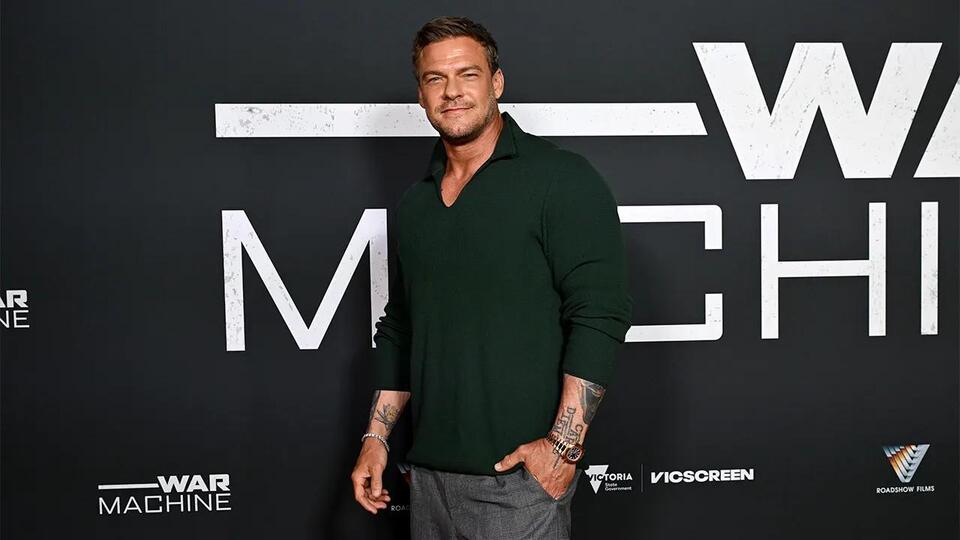
Alan Ritchson, the lead actor of the hit action series Reacher, has recently voiced serious concerns regarding the intersection of Hollywood production and political discourse. The actor alleges that industry executives have actively pressured him to refrain from sharing his personal political views, highlighting a growing friction between high-profile talent and the studios that employ them. These claims suggest a heightened sensitivity within the entertainment industry regarding how stars represent themselves and their projects in an increasingly polarized climate.
What happened
According to Ritchson, multiple studios “begged” him to stop discussing political topics in public forums. The actor, who has gained significant fame for his portrayal of Jack Reacher, indicated that his outspoken nature became a point of contention for production leadership. Beyond personal silence, Ritchson further alleged that the influence of national politics directly impacted the creative direction of his work.
Specifically, the actor claimed that a planned storyline featuring a White supremacist group was abruptly pulled from production. Ritchson suggested that this decision was made by studio heads following the re-election of President Donald Trump. The implication of these claims is that the studios were concerned about the potential optics or political blowback of such a narrative in the current social environment, leading them to sanitize the script to avoid controversy.
Context
Alan Ritchson has never been one to shy away from difficult conversations. Throughout his rise to stardom, he has been vocal about various topics including his faith, mental health struggles, and his views on the American political landscape. This transparency has earned him a dedicated following but has also placed him in the crosshairs of an industry that often prioritizes “brand safety” and broad market appeal over individual expression.
The broader context of Ritchson’s claims involves a Hollywood that is currently navigating a complex post-election landscape. While the industry is often perceived as a bastion of liberal thought, the reality for major studios is often a pragmatic focus on the bottom line. Decisions to scrap potentially divisive storylines—such as those involving extremist groups—are often presented as creative shifts, but Ritchson’s testimony suggests they are frequently motivated by a desire to avoid alienating specific segments of the audience or drawing the ire of the administration in power.
Why it matters
The allegations brought forward by Ritchson raise fundamental questions about creative freedom and the “chilling effect” that corporate pressure can have on artists. If studios are indeed demanding that actors remain apolitical while simultaneously altering scripts to reflect the shifting political winds, it suggests a trend where commerce dictates culture more than ever before. This dynamic can lead to a homogenization of entertainment, where stories are scrubbed of social relevance to protect corporate interests.
Furthermore, Ritchson’s experience underscores the unique position of the modern celebrity. In an era where social media allows stars to speak directly to their fans, the traditional “studio system” model of controlling a star’s image is breaking down. When a major lead actor like Ritchson refuses to be silenced, it forces a public conversation about who really controls the narrative in popular media. Whether this will lead to more transparency in how scripts are developed or further entrench the divide between talent and executives remains to be seen, but it certainly marks a turning point in the public discourse surrounding Hollywood’s political neutrality.