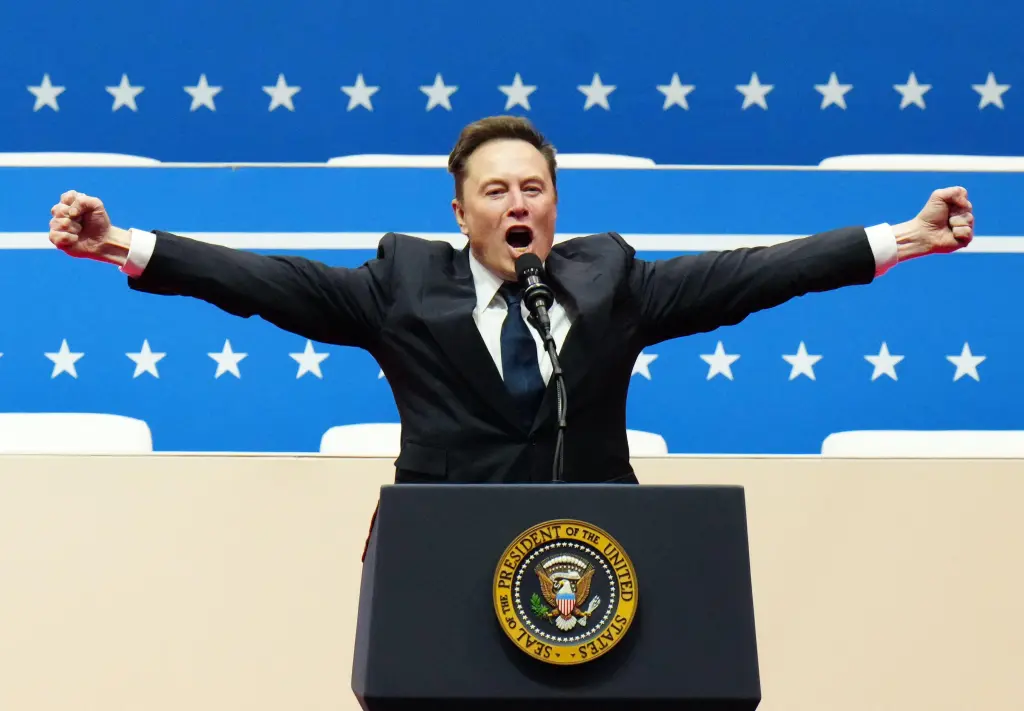
The tension between documentary filmmakers and their subjects often produces sparks, but when the subject is the world’s wealthiest individual, those sparks can ignite a full-scale legal and rhetorical conflagration. Renowned director Alex Gibney is currently navigating this high-stakes environment as he prepares for the wide release of his latest film, Musk. The documentary offers a critical examination of the Tesla and SpaceX CEO, leading to a public war of words and threats of litigation from the tech mogul’s camp.
What happened
Following the film’s premiere at several international festivals, Gibney has been vocal about his assessment of Elon Musk’s character and professional legacy. In a recent discussion, Gibney characterized Musk as a “bullsh*tter,” arguing that the billionaire has systematically inflated his actual contributions to his various companies. According to Gibney, Musk did not invent the core technologies behind Tesla or SpaceX, nor did he create their original business plans. Instead, the director views Musk as a “front man” and a master storyteller whose primary talent lies in “pumping the stock” and attracting brilliant engineers to a shared mission.
Musk has not taken the criticism quietly. Utilizing his platform on X (formerly Twitter), the billionaire lashed out at Gibney, labeling him a “horrible human” with no integrity. Musk’s legal representative, Alex Spiro, also signaled the possibility of a defamation lawsuit, specifically targeting a segment of the film regarding the 2024 presidential election.
Context
The legal friction centers on a sequence in the documentary involving Musk’s former girlfriend, Ashley St. Clair. In the film, St. Clair recounts a conversation in which Musk allegedly claimed he would trigger an “anomaly in the matrix” to ensure a victory for Donald Trump. Musk’s legal team argues that this portrayal is defamatory.
However, Gibney maintains that the film is simply reporting Musk’s own words and actions. He asserts that the documentary does not explicitly accuse Musk of election interference; rather, it showcases Musk’s own text messages to St. Clair. Gibney suggests that whether Musk was being truthful or merely boasting to a partner is for the audience to decide. Furthermore, the filmmaker expressed a lack of intimidation regarding the threat of a lawsuit. He pointed out that a legal battle would initiate a “discovery” process, which would grant his legal team the right to subpoena internal documents from Musk’s companies.
Why it matters
The potential for a discovery process is the most significant ripple effect of this dispute. Gibney believes that if Musk follows through with a lawsuit, it would open the door to investigating some of the most controversial aspects of Musk’s empire. This includes internal data regarding Tesla’s Autopilot system and its involvement in fatal accidents, as well as the handling of data within the Department of Government Efficiency (DOGE).
Beyond the legal implications, the feud highlights a growing debate over Musk’s true role in modern innovation. Gibney draws a sharp contrast between Musk and Apple co-founder Steve Jobs. While both were master narrators, Gibney argues that Jobs was fundamentally committed to the refinement of his products. In contrast, Gibney suggests that the successes of Tesla and SpaceX have occurred in spite of Musk’s erratic leadership rather than because of his technical expertise. As the film moves into a wider theatrical release this October, the public discourse surrounding Musk’s legacy is likely to intensify, testing the billionaire’s ability to control his own narrative.