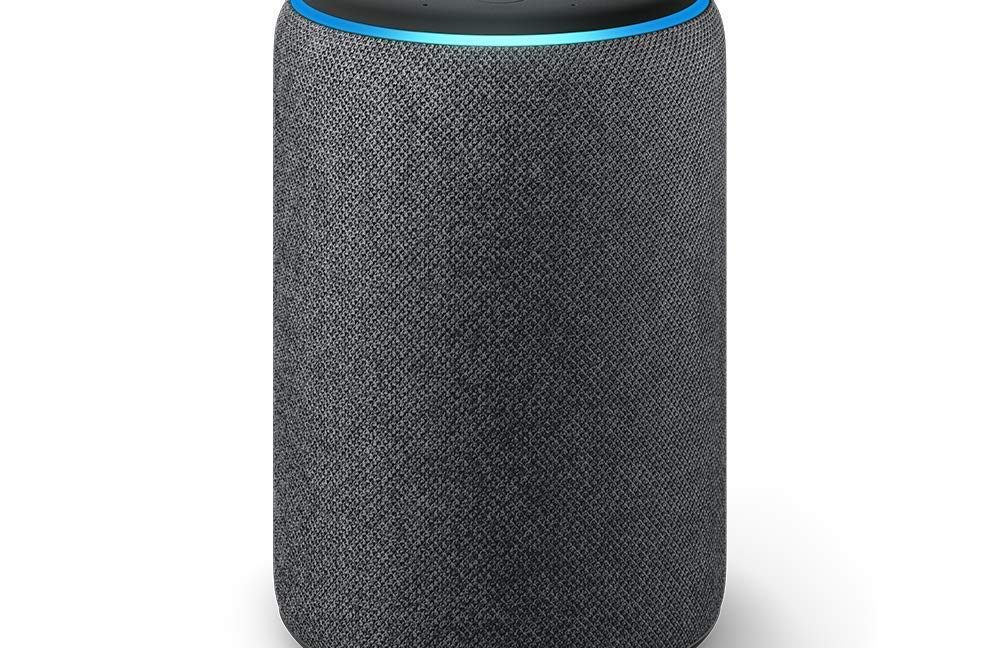
Amazon has officially begun narrowing the functionality of its legacy hardware, specifically targeting the way users interact with older Echo devices. In a move that signals the end of an era for physical connectivity within the Alexa ecosystem, the company has disabled the ability to use voice commands to control devices plugged into an Echo speaker’s auxiliary (AUX) port. Users who still rely on these wired connections have started receiving notifications that their voice-activated control over these inputs is now a thing of the past.
What happened
This week, Amazon distributed emails to Echo owners informing them of a significant change to their device’s capabilities. According to the communication, Alexa will no longer recognize or execute voice commands related to the 3.5mm AUX port. Previously, users could direct Alexa to switch the audio source to the auxiliary input or manage specific playback settings for external devices—such as turntables, MP3 players, or computers—connected directly to the speaker.
While the physical port itself remains on the older units, the software layer that allowed Alexa to bridge the gap between voice commands and analog input has been severed. This means that if a user asks Alexa to “switch to AUX,” the assistant will no longer be able to perform the task. For many, this effectively reduces the utility of the Echo as a versatile hub for non-smart audio equipment, forcing users to rely on manual physical adjustments if the hardware allows or, in many cases, rendering the wired setup obsolete for daily voice-controlled use.
Context
The decision to sunset this feature is not entirely surprising when looking at Amazon’s hardware trajectory. It has been approximately six years since Amazon released a flagship Echo device equipped with a 3.5mm input/output port. In the early days of the smart speaker boom, these ports were a selling point, marketed as a way to “smartify” high-end legacy audio systems or to use the Echo as a budget-friendly computer speaker.
As the industry moved toward a wireless-first philosophy, Amazon began removing the 3.5mm jack from newer generations of the Echo Dot and the standard Echo. The company has shifted its focus almost entirely toward Bluetooth connectivity and Wi-Fi-based streaming services like Amazon Music, Spotify, and Apple Music. By removing voice support for the AUX input on older models, Amazon is aligning the software experience of its legacy fleet with the limitations of its current retail lineup.
Why it matters
This change highlights a growing frustration among smart home enthusiasts: the vulnerability of hardware to software-side deprecation. Even though the physical Echo speakers remain functional, the removal of a core software feature significantly alters the product’s value proposition years after the initial purchase. For users who integrated Echo speakers into more complex home audio setups—such as using an Echo Plus to provide voice control for an analog record player—this update breaks a specific workflow that may have been the primary reason they kept the device.
Furthermore, this move underscores the industry-wide push toward closed ecosystems. By making it more difficult to use “dumb” analog devices with Alexa, there is an implicit nudge for consumers to stay within the digital streaming environment where Amazon can better track usage data and promote subscription services. It also raises concerns regarding electronic waste; as older devices lose the features that made them unique or useful in specific niches, they are more likely to be discarded in favor of newer, more restricted hardware. For now, owners of legacy Echo devices must find workarounds or accept that their smart speakers have become just a little less capable.