Defense technology firm Anduril Industries has secured a massive contract worth up to $2.9 billion with the U.S. Navy, marking a significant milestone in the company’s transition from a startup focused on autonomous software to a major player in heavy military manufacturing. The deal, which aims to accelerate the production of critical submarine components, underscores the growing influence of Silicon Valley-backed defense contractors within the Pentagon. As the United States seeks to revitalize its industrial base, the partnership signals a strategic shift toward integrating modern technology with traditional naval architecture.
What happened
The multi-billion-dollar agreement focuses on bolstering the production of the Virginia-class submarine program. To meet the demands of the contract, Anduril is committing $3.7 billion toward the development of a massive new shipyard located at Sparrows Point, Maryland. This 2 million-square-foot facility is expected to begin operations by 2030 and is projected to create roughly 3,100 new jobs in the Baltimore area. While the Maryland site will handle large-scale construction, Anduril also plans to utilize a 160,000-square-foot facility in Orange County, California, to manufacture specific hardware, such as torpedo tubes.
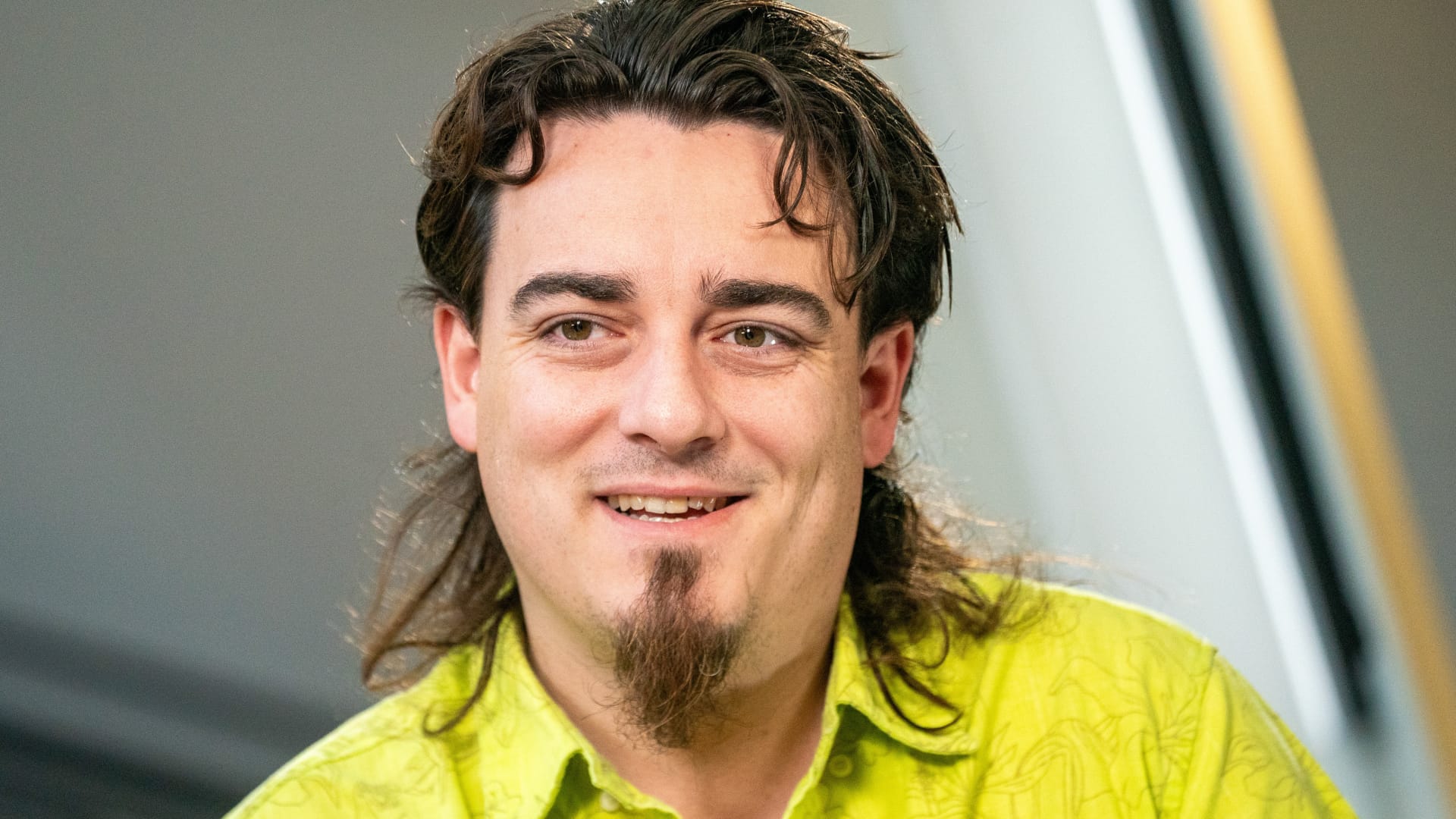
The announcement coincided with high-level recognition from the federal government. President Donald Trump publicly lauded Anduril co-founder Palmer Luckey, highlighting the importance of the investment in domestic manufacturing. This news follows Luckey’s recent appointment to a Pentagon task force known as Project Meridian, an initiative designed to identify and accelerate the development of advanced capabilities for future military conflicts.
Context
Anduril’s rise occurs amidst a broader push by the Trump administration to reindustrialize the American military-industrial complex. Traditionally known for its work in autonomous drones and surveillance software, Anduril is now positioning itself as a vital link in the conventional shipbuilding supply chain. Company leadership has expressed a long-term vision of evolving from a component supplier to a primary builder of large ship sections, aiming to alleviate bottlenecks that have historically slowed the delivery of U.S. naval vessels.
The contract also highlights the deepening ties between the tech sector and Washington. Luckey is not the only industry leader gaining a seat at the table; Project Meridian also includes high-profile figures such as SpaceX CEO Elon Musk and former House Speaker Newt Gingrich. This trend extends to the Pentagon’s defense policy board, which recently added venture capitalist Marc Andreessen and Blake Masters. While these appointments have drawn scrutiny regarding potential conflicts of interest, Department of Defense officials have defended the move, stating that a mix of academic, military, and industry perspectives is essential for modernizing national defense.
Why it matters
This deal is a pivotal moment for the U.S. defense industry for several reasons. First, it represents a tangible effort to fix the American shipbuilding crisis. By bringing in a tech-centric firm like Anduril, the Navy hopes to introduce new manufacturing efficiencies and scale production faster than traditional shipyards have managed in recent years. The scale of the $3.7 billion investment in Maryland suggests that Anduril is betting heavily on the long-term necessity of a robust underwater fleet.
Second, the contract reflects a shift in the political and economic landscape of defense procurement. The presence of venture-backed firms in the inner circles of the Pentagon indicates that the “disruptor” model of Silicon Valley is being officially embraced as a core component of national security strategy. This integration aims to bridge the gap between fast-moving commercial innovation and the often-slow processes of military acquisition.
Finally, the expansion into the Virginia-class submarine program demonstrates that the distinction between “high-tech” drone companies and “heavy” industrial contractors is blurring. As Anduril moves into physical shipbuilding, it sets a precedent for other technology firms to move beyond software and sensors into the fabrication of the hardware that forms the backbone of the U.S. military.