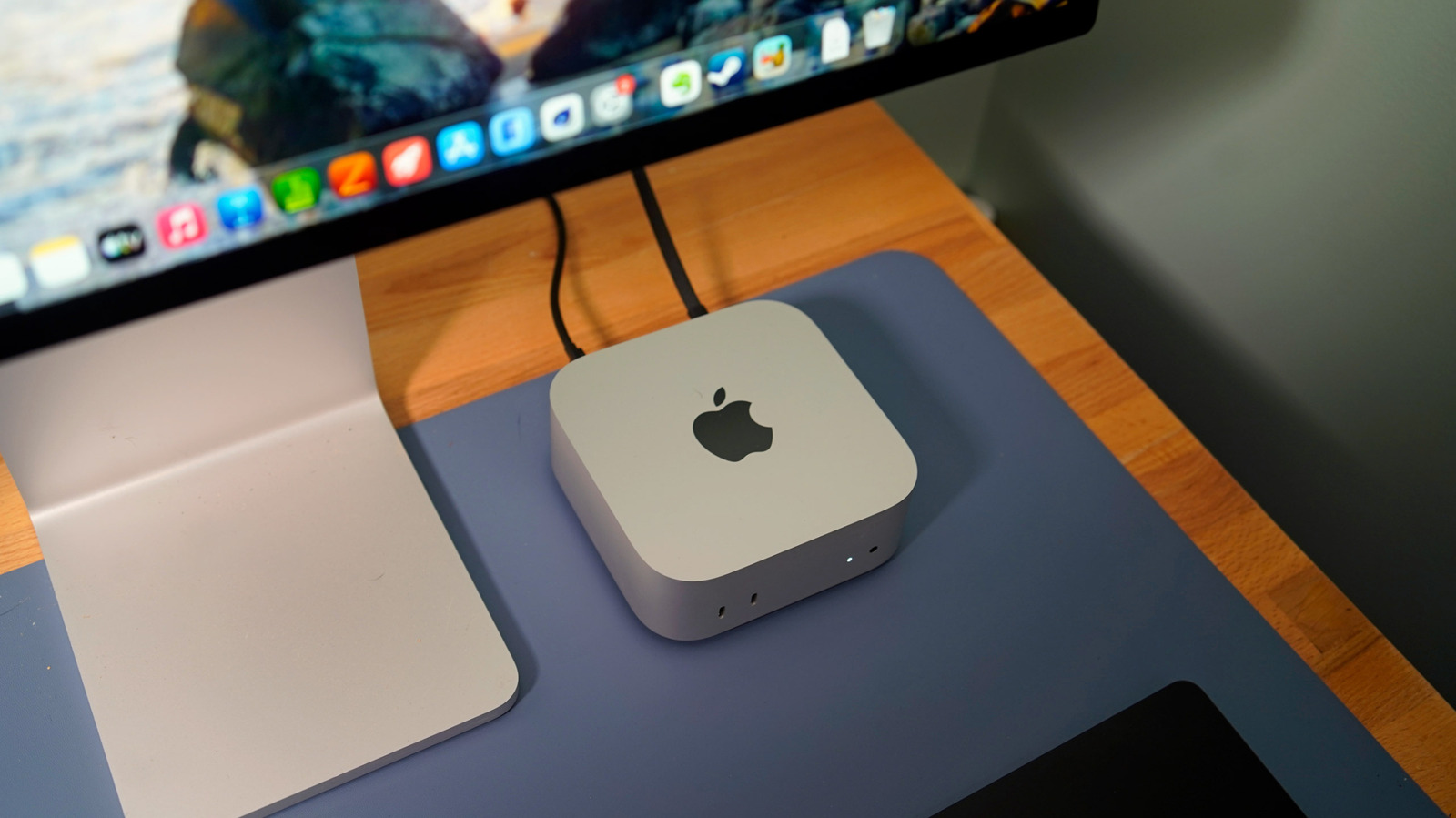
For years, the Mac mini held a unique position in Apple’s lineup as the most accessible entry point into the macOS ecosystem. It was the “budget” powerhouse—a tiny, reliable machine that offered incredible value for students, developers, and home server enthusiasts alike. However, with the release of the latest model featuring the M6 chip, that identity is shifting. While the hardware remains a feat of engineering, the new $899 starting price suggests that the days of the Mac mini being a casual, impulsive purchase may be over.
What happened
Apple has officially updated its ultra-compact desktop with the new M6 processor, but the transition comes with a significant price hike. Previously starting at a disruptive $599, the base model now costs $300 more. This price jump is largely attributed to the rising costs of components and a market-wide focus on high-performance memory and storage.
The new lineup is somewhat unconventional due to Apple skipping a base M5 version for the mini last year. As a result, consumers now choose between the standard M6 chip—featuring a 12-core CPU and 12-core GPU—and the high-end M5 Pro chip, which offers up to 18 CPU cores and 20 GPU cores. The M6 model supports up to 32GB of RAM, while the M5 Pro variant targets professional users with support for up to 64GB of RAM and significantly higher memory bandwidth.
Context
Physically, the Mac mini maintains its impressively small footprint. The chassis remains a five-inch by five-inch square, weighing just 1.5 pounds. Despite its size, the machine is packed with connectivity, including front-facing USB-C ports and a trio of Thunderbolt ports on the rear (Thunderbolt 4 for the M6 and Thunderbolt 5 for the M5 Pro). One quirk that remains is the placement of the power button on the bottom of the device, a design choice that continues to divide users who prefer easier accessibility.
The real story, according to Apple, is the leap in local artificial intelligence processing. The M6 chip is reportedly 13.5 times faster than the original M1 when handling Large Language Model (LLM) prompts. General productivity has also seen a boost; the M6 is more than twice as fast as the M1 in spreadsheet applications like Excel. In real-world testing, the M6 showed its strength in creative tasks as well, transcoding 4K video faster than many high-end Windows laptops currently on the market. Even gaming, traditionally a weak spot for Mac desktops, has seen improvement, with the M6 maintaining steady frame rates in demanding titles like Cyberpunk 2077 at 1080p settings.
Why it matters
The $899 price tag changes the conversation surrounding the Mac mini. It is no longer the “no-brainer” deal that could frequently be found on sale for under $500. Instead, it has transitioned into a serious mid-range workstation. While it remains the best compact desktop in its class, it now competes in a price bracket where buyers might be more inclined to compare it against more versatile laptops or the more powerful Mac Studio.
Furthermore, the emphasis on AI performance highlights Apple’s strategic direction. By prioritizing NPU speeds and local processing, Apple is ensuring the Mac mini is ready for the next era of software, even if it means the hardware is no longer “affordable” in the traditional sense. For those who need a powerful, whisper-quiet, and tiny desktop, the M6 Mac mini is an exceptional tool, but it is now an investment rather than a bargain.