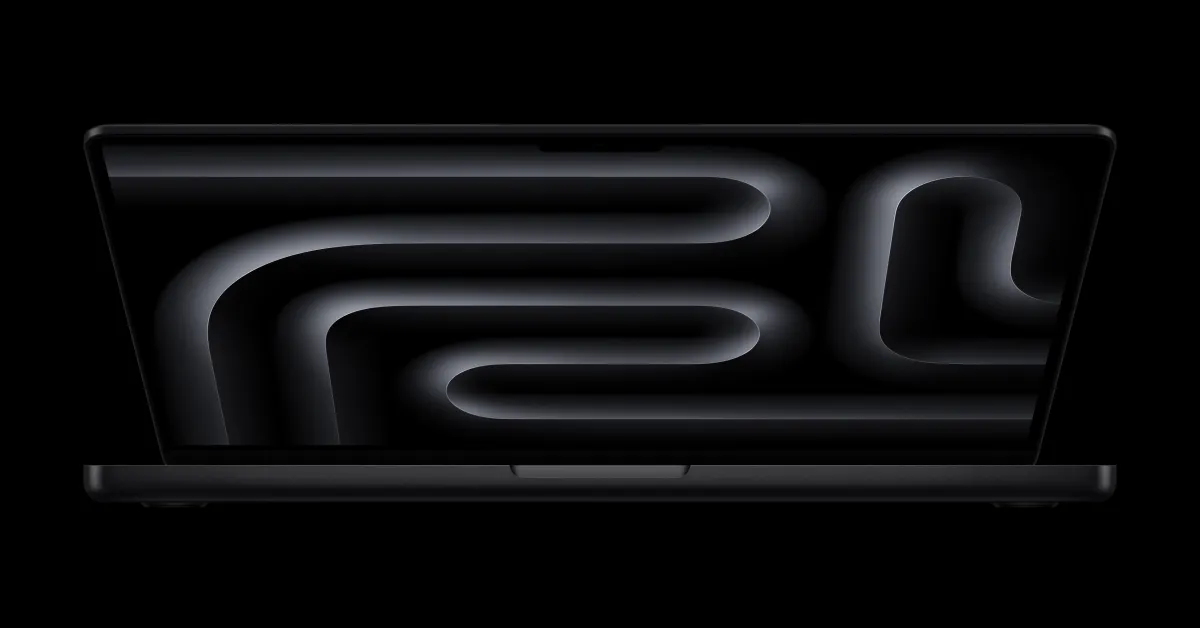
Apple’s MacBook Pro lineup has long been the gold standard for portable workstations, but recent reports suggest the tech giant is preparing to push the boundaries further than ever before. While the company recently refreshed its flagship laptops earlier this year, a much more substantial redesign is reportedly on the horizon. This upcoming iteration is not just a standard hardware refresh; it represents a fundamental shift in how users will interact with the Mac, combining high-end mobile display technology with a long-awaited physical overhaul.
What happened
The centerpiece of this update is the transition from mini-LED to OLED display technology. By moving to OLED, Apple is bringing its flagship laptop in line with the iPhone and iPad Pro, offering pixels that can turn off individually to provide true black levels and significantly higher contrast. Beyond the panel technology, the most seismic shift is the introduction of a touchscreen. Unlike previous years where Apple resisted touch input on laptops, the company is reportedly optimizing macOS to handle touch dynamically. For instance, interface elements like the menu bar and control buttons may enlarge when the system detects a finger nearby, ensuring that navigation feels fluid and natural.
Aesthetically, the device is expected to ditch the controversial display notch that has housed the FaceTime camera since 2021. In its place, Apple is likely to implement a hole-punch cutout, supplemented by the “Dynamic Island” interface. This software-driven feature will mask the cutout by displaying notifications, background activities, and live updates, mirroring the functionality found on the latest iPhones. Furthermore, the chassis is expected to undergo a weight-loss program. Insiders suggest the new MacBook Pro will be significantly thinner and lighter than current models, thanks to a complete reengineering of the interior components.
Context
To understand the significance of these changes, one must look at Apple’s design history. From 2016 to 2020, Apple pursued a “thin-at-all-costs” philosophy that was often hampered by the heat and power demands of Intel processors. This led to thermal issues and the removal of essential ports. In 2021, Apple pivoted, making the MacBook Pro thicker to accommodate better cooling and returning ports like HDMI and the SD card slot.
The rumored move back toward a thinner profile suggests that Apple has reached a level of confidence with its M-series chips that allows for extreme portability without the performance compromises of the past. Because Apple Silicon is so efficient, the company can miniaturize internal components and rearrange the battery and logic board to reduce bulk. Additionally, the transition to OLED is a logical step in Apple’s screen evolution. While the current mini-LED panels offer great brightness, OLED’s ability to offer perfect contrast without “blooming” makes it the preferred choice for creative professionals and media consumers.
Why it matters
The inclusion of a touchscreen marks a complete reversal of Apple’s long-standing stance that touch input does not belong on a laptop. By reengineering macOS to be touch-friendly, Apple is blurring the lines between its desktop and mobile platforms. This shift could fundamentally change how developers build software for the Mac, encouraging interfaces that are accessible via both traditional peripherals and direct interaction.
Moreover, the weight reduction and thinning of the device address a common criticism of the current 14-inch and 16-inch models: their substantial bulk. For professionals who travel frequently, a much lighter machine that maintains pro-level performance is a major selling point. When combined with the Dynamic Island and OLED technology, this update signals that Apple is no longer content with the Mac being a traditional computer. Instead, they are evolving it into a modern, multi-modal powerhouse that takes the best features of their mobile devices and scales them for professional productivity.