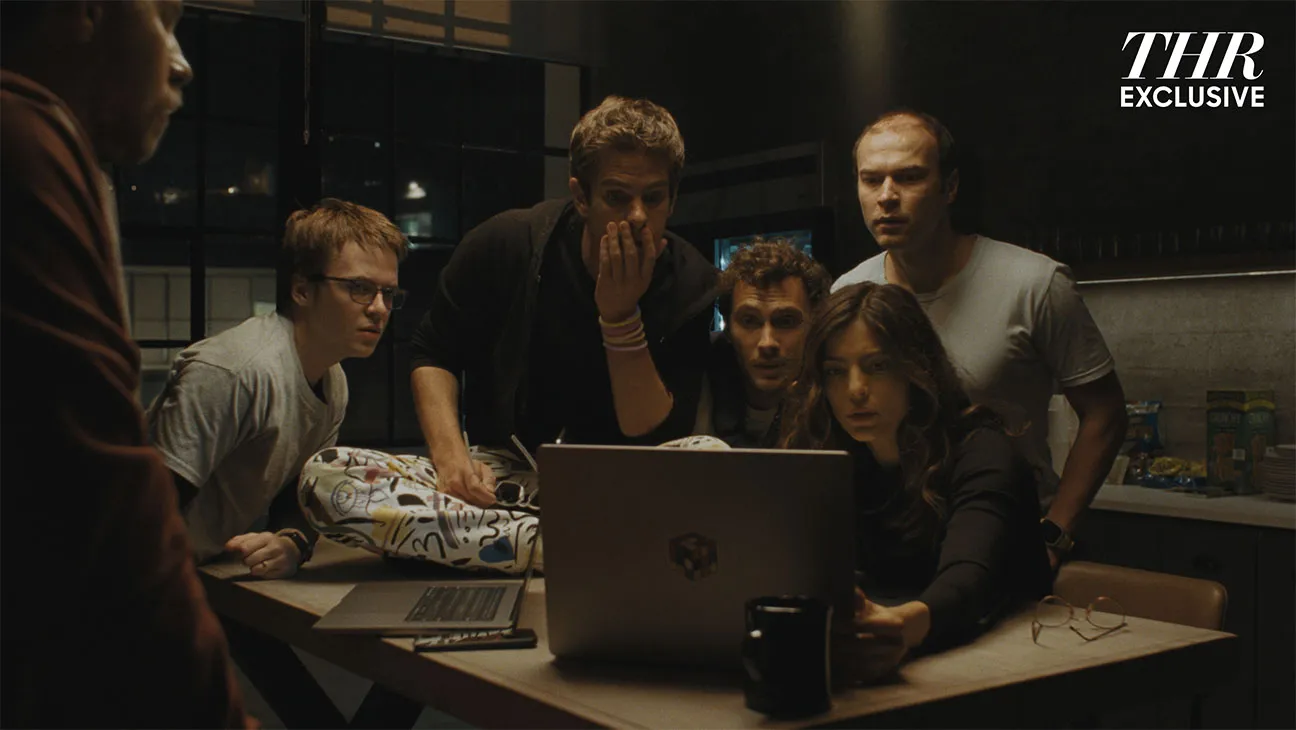
The intersection of Silicon Valley and Hollywood has reached a fever pitch with the upcoming release of Artificial, a provocative dramatization of the rise of OpenAI. Directed by Luca Guadagnino and starring Andrew Garfield as Sam Altman, the project has become a lightning rod for discussions regarding corporate censorship and the “chilling effect” of Big Tech on the film industry. After being developed and then abruptly abandoned by Amazon MGM Studios, the film found an unlikely savior in the independent studio Neon, setting the stage for one of the most anticipated and contentious releases of the year.
What happened
The journey of Artificial to the big screen has been as dramatic as its subject matter. Originally developed under the Amazon MGM banner, the project was unexpectedly put up for sale just as it neared completion. This sudden pivot occurred shortly after Amazon announced a staggering $50 billion investment in OpenAI, leading many industry insiders to speculate about a massive conflict of interest. While other major players like Netflix and Searchlight ultimately passed on the project, Neon stepped in with a unique acquisition deal. The independent distributor paid nothing upfront for the rights but committed to a robust $15 million marketing campaign, securing a prime Christmas Day theatrical release.
The film’s creators have been vocal about the difficulties of finding a home for a movie that critiques the very entities currently funding the entertainment landscape. Guadagnino recently noted that the modern studio environment, increasingly influenced by tech “tycoons,” makes the creation of challenging art “slippery.” He went so far as to suggest that a landmark film like Citizen Kane might struggle to exist in today’s climate due to the overlapping interests of parent companies and their subjects.
Context
Written by Saturday Night Live alum Simon Rich, Artificial traces the complex relationship between OpenAI founders Sam Altman and Ilya Sutskever (played by Yura Borisov). The narrative spans decades, beginning with the tech-optimism of the Obama era and descending into the high-stakes, ethically murky landscape of the Trump and Biden years. While early scripts were reportedly more comedic, Guadagnino’s final cut is described as a dark, “Medusa’s Touch” style tragedy that explores the corrupting nature of absolute power.
The production team took significant measures to ensure the film remained legally defensible. Producer Jennifer Fox noted that every claim in the script was vetted and “double-proven” to withstand scrutiny from the tech giant’s legal teams. On the creative side, Garfield’s portrayal of Altman has already generated significant buzz. Eschewing heavy prosthetics, the actor relied on physical mimicry and subtle makeup to capture Altman’s “uncanny” essence, focusing on the psychological toll of leading a company that could fundamentally reshape human existence.
Why it matters
The controversy surrounding Artificial serves as a case study for the future of creative independence in an era of corporate consolidation. As tech conglomerates like Amazon, Apple, and Google continue to expand their footprints in Hollywood, the line between “content” and “corporate interests” continues to blur. Andrew Garfield expressed concern over the centralization of power, arguing that the fight is currently on to ensure that filmmakers are allowed to explore sensitive topics without fear of corporate suppression.
Beyond the industry politics, the film arrives at a moment of peak cultural relevance. With generative AI dominating headlines and its creators issuing warnings about the very technology they unleashed, Artificial offers a timely reflection on the humans behind the algorithms. By choosing an analog aesthetic—shooting on 35mm film to contrast with the sterile, gleaming offices of Silicon Valley—Guadagnino highlights the human fragility at the center of the AI revolution. Whether the film succeeds at the box office or not, its existence marks a defiant stand for cinema’s right to hold even the most powerful tech giants to account.