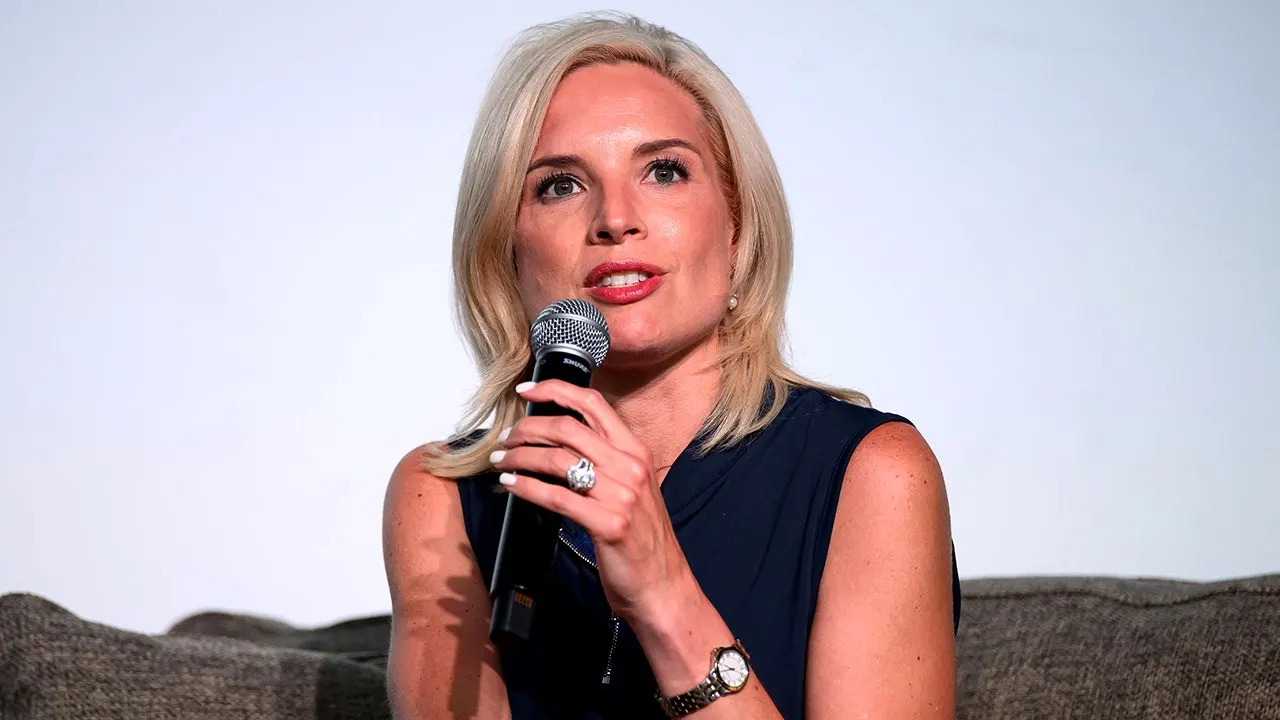
U.S. Representative Ashley Hinson, a Republican currently vying for a seat in the U.S. Senate, has publicly called for a rapid conclusion to the ongoing conflict in Iran. As the midterm elections approach, Hinson is framing the international military engagement as a primary driver of the economic challenges facing her constituents. She argues that the financial strain placed on American families, particularly regarding energy and food costs, necessitates a shift in foreign policy that prioritizes domestic stability and a favorable end to the war.
What happened
In a recent series of statements shared on social media, Representative Hinson detailed her stance on the necessity of ending the war in Iran. She expressed concern that the people of Iowa are unfairly bearing the financial weight of the conflict every time they visit a gas station or a grocery store. To combat these rising costs, Hinson proposed a comprehensive relief plan aimed at reducing the burden on taxpayers and essential industries.
Her legislative suggestions include a temporary suspension of the federal gas tax and a pause on the exportation of diesel fuel. Furthermore, Hinson advocated for the expanded use of E-15 ethanol and the reinstatement of a significant tax credit for biodiesel. Recognizing the specific needs of the Midwest, she also called for a dedicated relief program for truck drivers and farmers, who have been hit particularly hard by soaring fuel expenses. Hinson emphasized that while these immediate steps are taken to provide relief, the government must also ensure the long-term health of the highway trust fund to maintain critical infrastructure like roads and bridges.
Context
Hinson’s push for a “successful and immediate end” to the war comes during a high-stakes campaign for the Senate seat previously held by Senator Joni Ernst, who opted not to seek re-election. Shortly after Hinson announced her candidacy, she received a formal endorsement from former President Donald Trump. This endorsement has solidified her position as the leading Republican contender in a race that draws a sharp contrast between political ideologies. Her opponent, state Representative Josh Turek, has received backing from former President Barack Obama.
The backdrop of this domestic political battle is a tense international situation. During a recent address to the United Nations General Assembly, Donald Trump spoke about the future of U.S. relations with the Islamic Republic. He suggested that the United States faces a pivotal choice between negotiating a new framework with the nation or taking decisive military action to neutralize its capabilities permanently. Hinson’s comments align with this broader Republican focus on decisive action and the prioritization of American economic interests over prolonged foreign engagements.
Why it matters
The intersection of foreign military policy and domestic inflation has become a central theme in Hinson’s campaign. For a state like Iowa, where the economy is deeply rooted in agriculture and logistics, the price of diesel and gasoline is not just a convenience issue but a matter of industrial survival. By linking the “Iran war” directly to the “checkout line,” Hinson is attempting to show that international conflicts have tangible consequences for rural and middle-class Americans.
Furthermore, this rhetoric highlights a growing trend in U.S. politics where candidates are increasingly pressured to justify military spending and foreign intervention through the lens of domestic prosperity. If Hinson’s message resonates with voters, it could signal a shift in how the electorate views the cost-benefit analysis of overseas conflicts. As the election nears, the focus on “unleashing” domestic energy options and ending foreign wars will likely remain a cornerstone of the Republican platform in the Midwest.