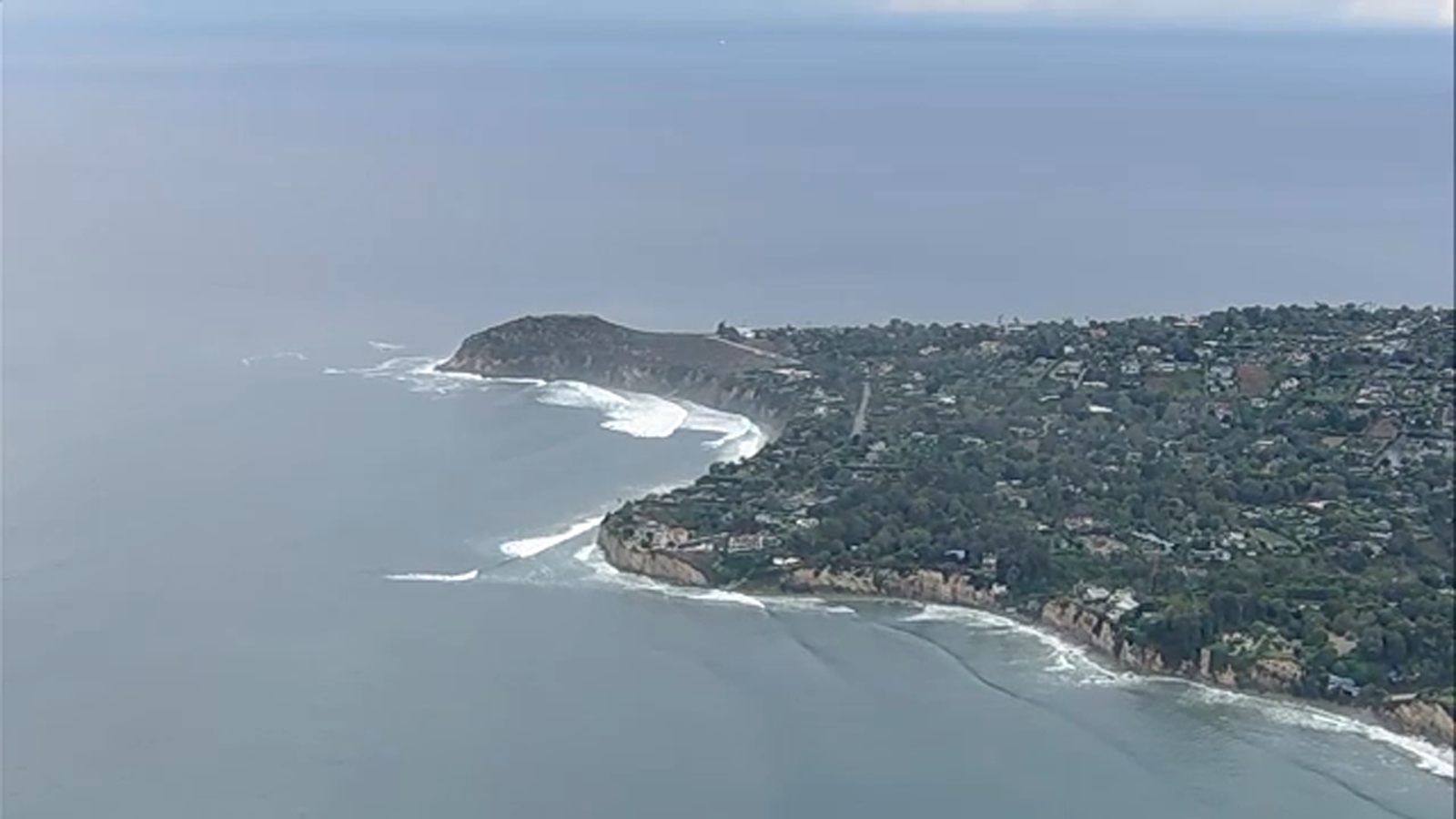
California is taking proactive measures to defend against a looming weather cycle that experts predict could be one of the most intense in recent memory. Governor Gavin Newsom officially declared a state of emergency on Monday, signaling a shift in the state’s strategy toward aggressive early preparation. As a historic El Niño season begins to take shape, the administration is moving to ensure that the state’s infrastructure and emergency services are fully equipped to handle potentially catastrophic winter weather.
What happened
The emergency declaration serves as an administrative catalyst, allowing state agencies to mobilize resources and personnel before the first major storms hit. By formalizing this status early, Governor Newsom has authorized the streamlining of essential preparation tasks. This includes the strategic staging of emergency supplies, the deployment of maintenance crews to reinforce vulnerable roads, and the fortification of critical infrastructure.
According to representatives from the Governor’s office, the state is approaching the upcoming weather patterns with the same urgency usually reserved for major hurricanes. Rather than reacting to damage as it occurs, the emergency order allows the state to operate in a “pre-landfall” mode. This involves coordinating across multiple departments to ensure that first responders have every tool necessary to protect residents and that local communities are braced for a variety of hazards, including mudslides and severe flooding.
Context
The primary driver behind this early intervention is the strengthening El Niño. Meteorologists and state water officials expect this season to bring significant, and potentially record-breaking, levels of precipitation to the West Coast. While California often welcomes rain to combat drought conditions, the sheer volume and intensity predicted for this cycle pose unique risks.
A specific point of concern involves the “king tides” projected for the late autumn months. Officials from the Department of Water Resources have warned that these exceptionally high tides in November and December could exacerbate the impact of storm surges. This combination is particularly threatening to Southern California’s coastline, where high water levels and heavy surf can lead to significant erosion and damage to seaside property.
Why it matters
This declaration is a critical component of the state’s public safety framework. By initiating these protocols now, the government aims to provide families and local businesses with the confidence that the state is not being caught off guard. Paraphrasing the administration’s stance, the focus is on collective strength and ensuring that the most vulnerable communities receive the support they need before the weather turns.
Beyond immediate safety, the move is designed to mitigate the long-term economic impacts of severe weather. Unchecked flooding and landslides can paralyze transportation networks and cause billions of dollars in damage to public works. By clearing drainage systems, reinforcing hillsides, and readying repair crews in advance, California hopes to minimize the disruption to daily life and ensure a more resilient response to the historic season ahead. In a state where weather extremes are becoming more common, this proactive stance represents a necessary evolution in disaster management.