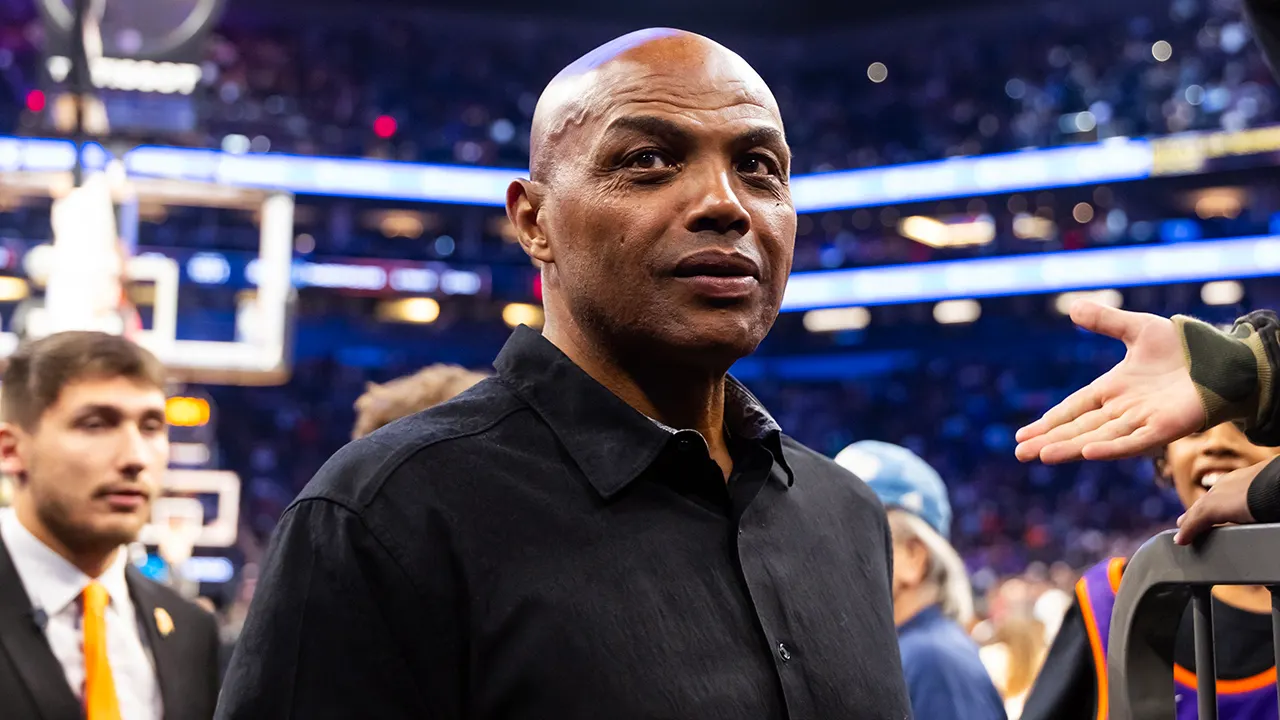
NBA icon and television personality Charles Barkley recently delivered a blunt critique of far-left political agendas, signaling a potential rift between moderate voters and the more radical wings of the Democratic Party. During a candid sit-down with journalist Chris Cuomo, the basketball legend expressed his disbelief at several progressive proposals, ranging from the abolition of law enforcement to the dissolution of federal immigration agencies. Barkley, who has historically leaned toward Democratic candidates, voiced concerns that these extreme platforms lack practical logic and alienate mainstream American voters.
What happened
During the interview, Barkley positioned himself as a pragmatic independent who refuses to sacrifice his credibility for partisan loyalty. He specifically targeted the “defund the police” movement and calls to abolish prisons, labeling such notions as some of the most nonsensical ideas he has encountered in public discourse. Barkley emphasized that while he has frequently supported Democratic candidates in the past, he cannot get behind policies that suggest a society can function effectively without a police force or a correctional system.
The conversation also turned toward the U.S. Immigration and Customs Enforcement (ICE). Barkley pushed back against the “No ICE” rhetoric championed by some progressive activists. While he acknowledged that the agency needs to improve its operations significantly, he argued that a total lack of border enforcement is unsustainable. He drew a sharp distinction between the contributions of hardworking immigrants, whom he praised as vital to the nation, and the need to prevent criminal elements from entering the country.
Context
Barkley’s comments come at a time when the Democratic Party is grappling with internal debates over its ideological direction. In Michigan, for instance, Democratic figures like Abdul El-Sayed have faced questions regarding their stance on law enforcement funding and border security. El-Sayed has previously advocated for the total abolition of ICE, suggesting that the agency has overstepped its constitutional boundaries. This creates a difficult balancing act for the party as it tries to retain the support of voters who desire reform without leaning into total abolition.
The debate is further fueled by recent headlines concerning public safety and immigration enforcement. The source news cited a recent incident in which a member of the MS-13 gang was released from federal custody due to a judicial ruling regarding bond hearings. For critics like Barkley, these instances serve as proof that dismantling the current justice and immigration infrastructure could lead to dangerous outcomes. Barkley’s frustration reflects a broader sentiment among voters who support social progress but remain wary of dismantling essential public institutions.
Why it matters
Charles Barkley occupies a unique space in American culture; his transition from an NBA superstar to a respected, unfiltered broadcaster gives his political opinions significant reach. Because he identifies as an independent and a frequent Democratic voter, his criticism carries more weight than that of a traditional partisan commentator. When a figure with his level of influence calls out “radical” policies as “stupid,” it signals to political strategists that certain slogans may be doing more harm than good with the center-left and independent electorate.
Furthermore, Barkley’s stance highlights the growing demand for “common-sense” solutions over ideological purity. By advocating for a “better” ICE rather than “no” ICE, and for functional policing rather than the removal of cops, he represents a middle ground that many Americans find more relatable than the extremes of either party. As the political landscape continues to shift, the ability of candidates to address these concerns without alienating their base or the broader public will likely determine their success in upcoming elections. Barkley’s unfiltered honesty serves as a reminder that for many voters, safety and order are non-negotiable priorities.