As wildfires continue to ravage the parched landscapes of eastern Washington, emergency responders are looking to the skies for a reprieve. Forecasts for the Spokane region indicate a shift toward milder conditions, with light winds and lower temperatures expected to assist ground crews in their battle against several uncontained blazes. This weather transition arrives at a critical moment for a community grappling with historic levels of property loss and mass displacement.
What happened
Over the past several days, a series of aggressive wildfires has torn through neighborhoods in and around Spokane, Washington’s second-largest city. The scale of the disaster is staggering, with authorities reporting that at least 700 structures—including hundreds of homes and local businesses—have been reduced to ash. Estimates suggest that nearly 67,000 residents were forced to flee their homes as the fires spread rapidly through dry vegetation.
In a significant development regarding the cause of the destruction, the Spokane County Sheriff’s Office announced the arrest of 37-year-old Aaron F. Farinacci on Monday. Farinacci is accused of arson in connection with the Old Trails Fire, one of the primary blazes contributing to the regional crisis. He is currently being held on a $1 million bond. While many fires in the region were exacerbated by environmental conditions, this arrest highlights a criminal element behind at least one of the major ignition points.
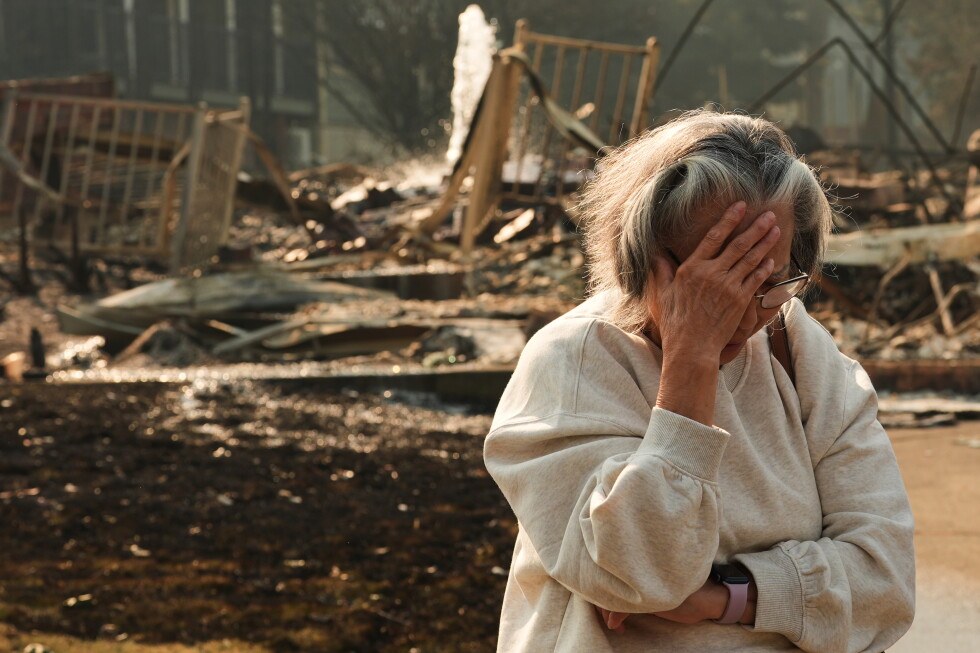
For those allowed to return to their properties, the scene is one of total devastation. Families have reported losing not only their residences but also irreplaceable heirlooms and decades of personal history. In many neighborhoods, the only remnants of once-vibrant homes are brick chimneys standing amidst fields of gray soot and charred timber.
Context
These fires represent some of the most destructive incidents in the history of Washington state. The crisis began over a weekend characterized by extreme heat and a landscape made vulnerable by prolonged drought. These conditions allowed small sparks to transform into uncontrollable infernos within hours. The rapid progression of the flames left little time for residents to gather belongings, leading to the massive evacuation of approximately 5,000 homes in the immediate Spokane area.
The environmental toll has been equally severe. Large swaths of timber and brush have been consumed, and local utility workers have been seen navigating the wreckage to assess damage to the power grid and other essential infrastructure. Washington’s governor has been actively monitoring the situation, even discussing the emergency response and resource allocation with national leadership to ensure that aid is directed where it is most needed.
Why it matters
The shift toward cooler weather is more than just a comfort; it is a tactical necessity for the thousands of firefighters working the front lines. High winds and scorching heat make it nearly impossible to establish containment lines, as embers can jump across barriers and ignite new fires miles away. Calmer winds allow air support—such as water-dropping helicopters and retardant-spraying planes—to operate more effectively and safely.
Furthermore, the arrest of a suspect in the Old Trails Fire provides a measure of answers for a community seeking accountability. As residents survey the ruins of homes they inhabited for decades, the focus shifts from immediate survival to the long-term process of rebuilding. The destruction of 700 structures will have lasting economic and social impacts on the Spokane region, requiring years of recovery efforts.
As the containment percentage hopefully rises with the help of more favorable weather, the priority remains protecting the remaining structures and ensuring that the thousands of displaced citizens can eventually return to a safe environment. The combination of legislative support, criminal investigation, and natural relief will be essential in moving eastern Washington past this historic disaster.