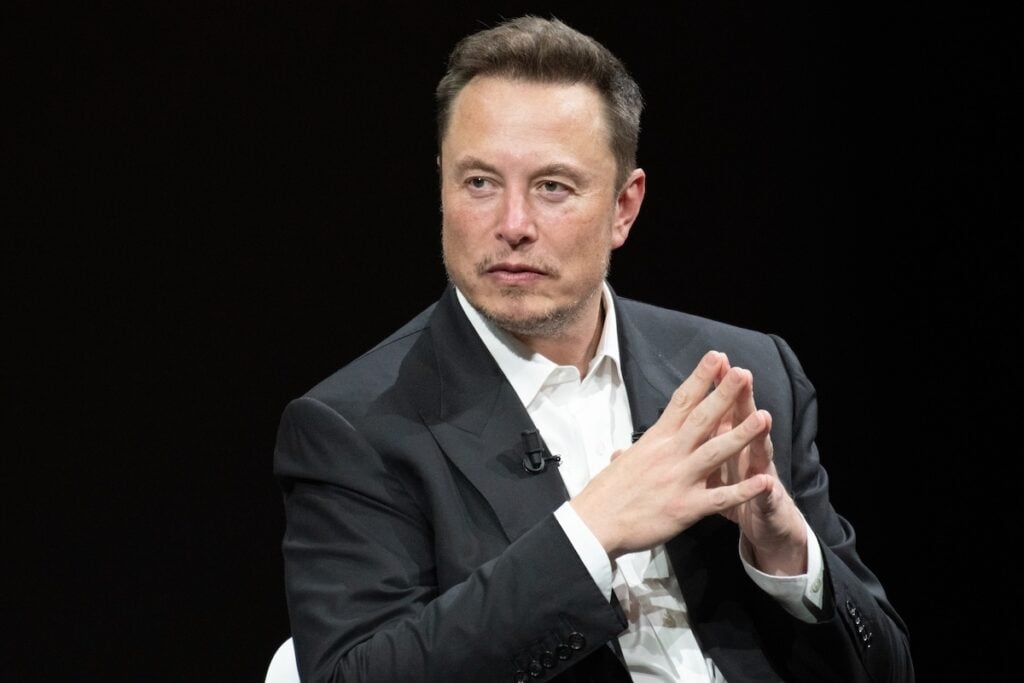
Elon Musk, the CEO of Tesla and SpaceX, recently shared a pragmatic perspective on the global transition to sustainable energy, suggesting that natural gas remains a vital component of the power grid. In a series of comments on the social media platform X, Musk argued that while solar power represents the future of energy production, fossil fuels like natural gas are still necessary to ensure reliability. Specifically, he positioned natural gas as a critical “bridge” and a long-term secondary source to compensate for the inherent fluctuations of renewable energy sources.
What happened
The conversation began when Senator Mike Lee (R-UT) posted about the rising carbon emissions in China, accusing the Chinese Communist Party of using “weaponized climate alarmism” to influence global policy. Musk joined the discussion by offering a different perspective on China’s energy landscape. He pointed out that despite the emissions data, China is seeing its most significant growth in the electricity sector through solar power. Musk described solar as the energy source with the “highest potential” by a significant margin.
However, Musk tempered his optimism for renewables with a dose of operational realism. He acknowledged that solar energy faces significant seasonal limitations, particularly in regions that experience harsh winters with reduced daylight. Musk stated that he is not opposed to the strategic use of natural gas power. He suggested it could serve as a bridge to a solar-heavy future and even maintain a long-term role to assist with the “dip in solar power during the deep winter months.”
Context
This is not the first time Musk has championed solar energy as a fundamental pillar of the modern economy. He has previously theorized that a transition toward harnessing the sun’s energy could eventually move the global economy away from traditional fiat currencies toward a system based on energy and mass. His interests in solar extend beyond Earth as well; Musk has frequently discussed the potential for orbital data centers powered by the sun to support space-based AI computation.
On the industrial side, Musk’s companies are already working to solve the intermittency problems he described. Tesla has been aggressively expanding its “Megapack” business, which produces massive, grid-scale battery storage units. These systems are designed to store excess energy generated by solar and wind during peak production periods and release it when production drops. Additionally, SpaceX continues to advance its infrastructure, recently completing a successful 13th flight test of the Starship rocket. This mission deployed 20 Starlink V3 satellites, which are part of a broader constellation aimed at providing global connectivity and orbital computing.
Why it matters
Musk’s endorsement of natural gas as a long-term backup highlights a growing consensus among energy experts regarding the “intermittency” challenge. While renewable technology has advanced rapidly, current battery storage capacities are often insufficient to carry entire nations through months of low solar output. By advocating for a hybrid approach, Musk is signaling a move toward energy pragmatism over pure ideology.
Furthermore, the transition of the power grid has turned energy storage into a major competitive arena. Major automakers and tech firms are no longer just focused on vehicles or software; they are becoming utility-scale energy players. Tesla’s focus on smoothing out the fluctuations of the grid puts it in direct competition with traditional utility providers and other tech giants. As the world pushes for decarbonization, the balance between maintaining a stable power supply and reducing emissions will likely rely on the very “bridge” technologies Musk is now defending.