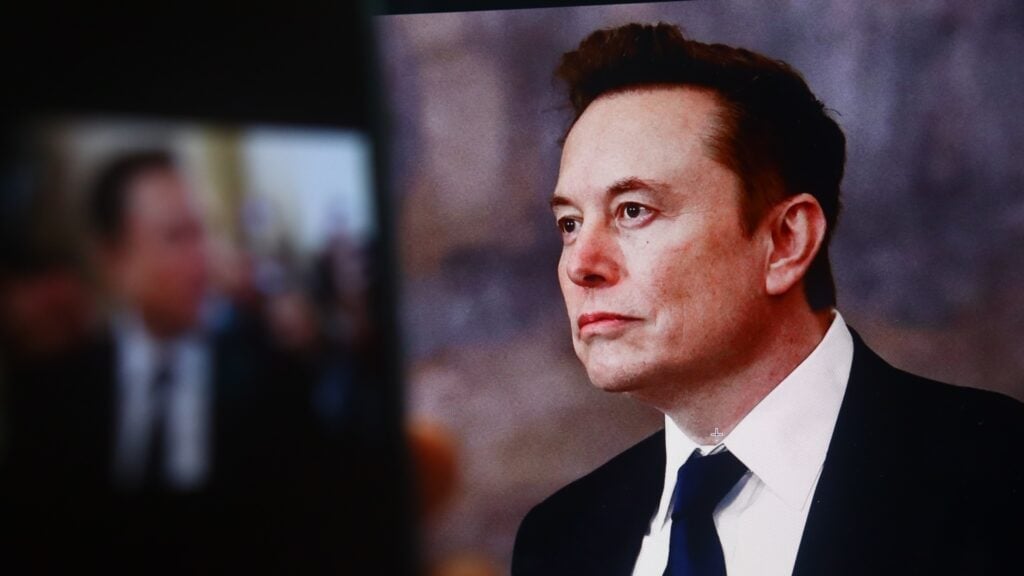
The financial landscape for the world’s wealthiest individual has shifted dramatically in recent weeks. Elon Musk, the visionary behind some of the most influential technology firms in the world, has witnessed a historic contraction of his personal fortune. As market volatility hits his primary holdings, rumors of a massive corporate restructuring have sparked intense debate among investors and analysts alike regarding the future of his business empire.
What happened
Recent data from Bloomberg indicates that Elon Musk’s net worth has seen a staggering decline, dropping by more than $684 billion from its peak. At his highest financial point, Musk was valued at over $1.33 trillion; however, a recent sell-off across his flagship companies has brought his current valuation down significantly. To put this loss in perspective, the amount of wealth evaporated in this period exceeds the combined total net worth of other tech giants like Jeff Bezos and Larry Page.
The primary drivers of this decline are the sinking valuations of Tesla and SpaceX. Tesla’s stock has retreated by 37% from its yearly high, exacerbated by a recent earnings report that highlighted a rapid cash burn. This capital expenditure is largely attributed to Musk’s aggressive push into artificial intelligence, which has pressured the company’s gross margins. Meanwhile, SpaceX has seen its private valuation take a hit, with shares sliding from an all-time high of $225 to approximately $108. This has effectively cut the aerospace company’s market capitalization from over $3 trillion to roughly $1.4 trillion.
Context
The downward pressure on these valuations coincides with emerging reports that Musk is contemplating a radical consolidation of his business interests. According to the Wall Street Journal, there is speculation that Musk may attempt to merge SpaceX with Tesla. Such a move would create one of the largest and most complex conglomerates in American history. To facilitate this potential deal, rumors suggest that Musk might consider spinning off or selling Tesla’s extensive operations in China to clear regulatory or financial hurdles.
This potential merger follows a pattern of consolidation Musk has established over the last two years. He previously integrated the social media platform X (formerly Twitter) with his AI venture, xAI, and later brought SpaceX into that orbit. Furthermore, the companies are already collaborating on “Terafab,” a massive semiconductor facility in Austin, Texas. This joint project, which includes involvement from Intel, aims to secure the hardware necessary for the AI and aerospace ambitions of the various Musk-led entities.
Why it matters
The rumor of a SpaceX-Tesla merger comes at a time when the broader investment community has grown skeptical of large conglomerates. For several years, the prevailing trend on Wall Street has been “de-conglomeration,” where massive entities split into smaller, more focused companies to unlock shareholder value. A prominent example is General Electric, which recently completed its transition into three independent firms focusing on healthcare, aerospace, and energy.
By moving in the opposite direction, Musk risks creating a corporate structure that is difficult for traditional investors to value or manage. While the synergy between satellite internet, electric vehicles, and artificial intelligence is theoretically strong, the operational complexity of such a giant could lead to further market trepidation.
Investors are now looking toward SpaceX’s upcoming earnings report for clarity. With revenue projected to reach $6.8 billion for the second quarter—bolstered by new data center contracts with major tech firms—the results will be a critical litmus test. If the numbers show continued growth, it may soothe fears; if they miss the mark, the downward pressure on Musk’s empire could intensify as the market weighs the risks of his ambitious consolidation strategy.