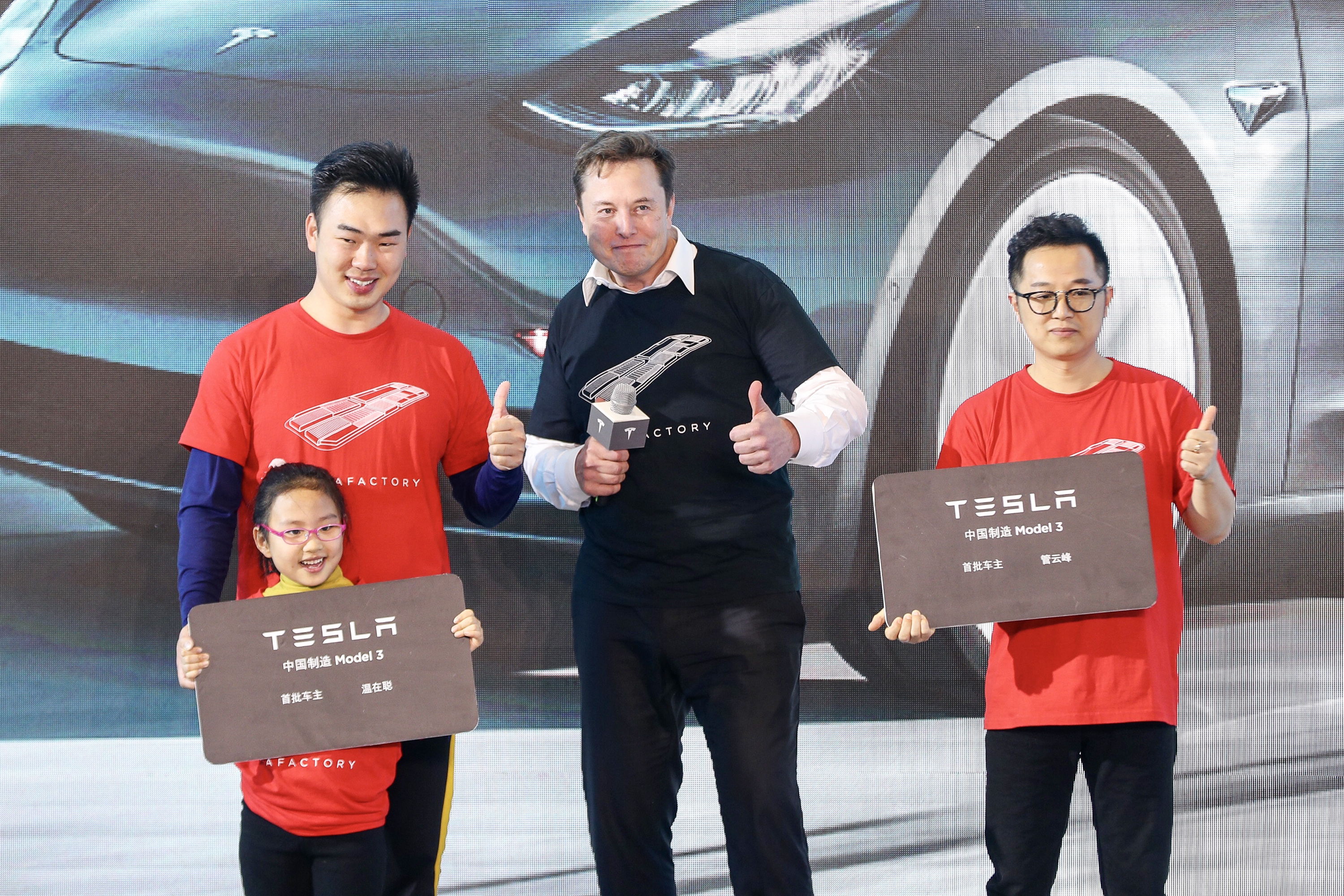
Elon Musk is reportedly exploring one of the most significant corporate restructurings in modern history by potentially merging SpaceX with Tesla. While such a move would consolidate his aerospace, automotive, and artificial intelligence ventures into a single powerhouse, it faces a massive geopolitical obstacle: China. To facilitate this union, Musk is reportedly considering carving out Tesla’s Chinese operations to satisfy both American national security requirements and Beijing’s growing anxiety over data privacy.
What happened
According to recent reports, advisers to Elon Musk have been evaluating strategies to separate Tesla’s business in China from its primary US operations. This separation is seen as a necessary precursor to any potential merger with SpaceX. The options being discussed include spinning off the Chinese arm as a standalone entity, selling a stake to local partners, or implementing rigorous internal firewalls to prevent data sharing between the two regions.
While Musk has publicly dismissed these reports as “fake news” on his social media platform, internal movements suggest a different story. Senior leadership at Tesla has reportedly been told to prepare for a potential “breakaway” of the Chinese division. This would involve creating independent office systems and blocking staff in China from accessing global corporate databases. Currently, Tesla’s operations are highly integrated, with China chief Tom Zhu overseeing much of the company’s worldwide automotive production.
Context
The drive toward a merger follows Musk’s broader trend of building an all-encompassing technology conglomerate. He has already integrated his artificial intelligence startup, xAI, into his social media company, X. Folding Tesla into SpaceX would transform the electric vehicle manufacturer from a standalone car company into a division of a broader space and AI empire.
The timing is also influenced by SpaceX’s soaring valuation, which reached $86 billion following a recent funding round. However, the synergy between the two companies is complicated by SpaceX’s role as a vital contractor for the US government. The rocket company handles classified satellite launches and provides critical communication services in conflict zones, making it a sensitive asset for the Pentagon. Musk has previously signaled to investors that there is “crossover potential” between his companies, particularly as they both pivot toward advanced AI and robotics projects.
Why it matters
The primary tension surrounding this deal involves the intersection of technology and national security. Beijing is reportedly unsettled by the prospect of Tesla—which holds sensitive location and sensor data on roughly two million Chinese drivers—being absorbed by a US defense contractor. Chinese officials fear that Tesla’s industrial expertise and vast datasets could eventually benefit the American military.
To allow the business to continue operating in the world’s second-largest economy, Beijing would likely demand strict “business guardrails.” These could include legal guarantees that SpaceX will have no influence over Tesla China and restrictions on the export of dual-use technologies, such as advanced materials or components that could be repurposed for aerospace.
From the American perspective, the pressure to decouple is equally high. As US-China relations remain strained, Washington is increasingly wary of critical defense partners maintaining deep industrial ties to Shanghai. For Musk, navigating these two superpowers while attempting to weld his companies into a singular machine represents a high-stakes balancing act. Whether the plan moves forward or is abandoned, the scrutiny reflects the growing difficulty of running a global tech empire in an era of intense geopolitical rivalry.