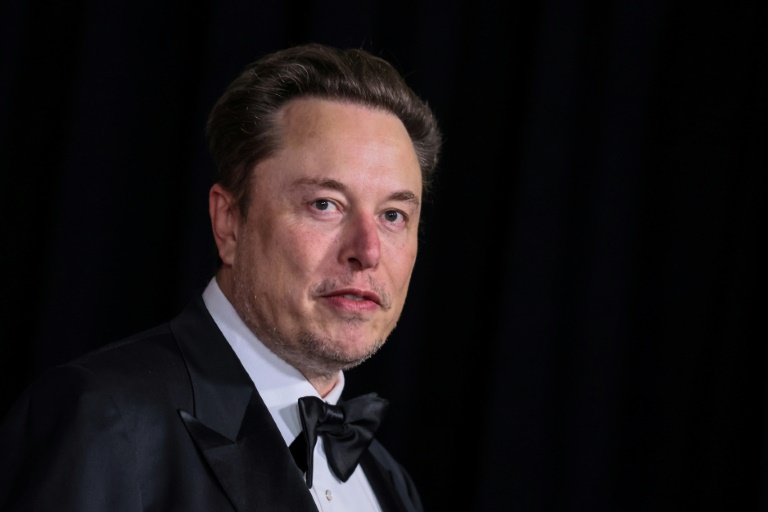
Elon Musk has reclaimed his position as the world’s only trillionaire following a significant rally in the shares of his two primary ventures, Tesla and SpaceX. The surge in Musk’s net worth comes as Tesla successfully navigated a challenging third quarter by exceeding delivery expectations, while SpaceX continues to diversify its revenue streams beyond aerospace and satellite internet. These combined gains reflect a renewed investor confidence in Musk’s ability to dominate both the electric vehicle market and the burgeoning infrastructure for artificial intelligence.
What happened
Tesla shares have climbed approximately 8% since the start of October, fueled by the release of the company’s third-quarter delivery figures. The electric vehicle manufacturer reported 486,532 vehicle deliveries, a figure that comfortably surpassed the Wall Street consensus of roughly 461,100. This performance exceeded Tesla’s own internal estimates by more than 25,000 units. The vast majority of these deliveries were concentrated in the Model 3 and Model Y lines, which accounted for approximately 98% of the company’s total volume.
Simultaneously, SpaceX has seen its valuation climb, with stock prices rising more than 17% in recent days to surpass $174 per share. While the aerospace company remains known for its Falcon rockets and Starlink satellite constellation, much of the recent momentum is attributed to its emerging presence in the AI sector. Analyst projections suggest that SpaceX’s foray into terrestrial AI computing could soon become its most significant financial driver, pushing the company’s valuation to new heights.
Context
Tesla’s stronger-than-expected quarter is particularly notable given the current landscape of the automotive industry. The company has been grappling with intensifying competition from Chinese manufacturers like BYD and Xiaomi, who are aggressively expanding their global footprint. Additionally, Tesla has had to navigate shifting electric vehicle incentives in the United States and a series of public relations challenges involving its CEO. Despite these headwinds, the Q3 delivery total represents a sharp recovery from the lower figures seen earlier in the year, even if it fell 2.1% short of the record-breaking third quarter of 2023.
In the case of SpaceX, the narrative is shifting from space exploration to high-performance computing infrastructure. According to reports from TD Cowen, SpaceX is leveraging its technical capabilities to lease massive amounts of computing capacity to developers of artificial intelligence models. A key component of this strategy is a substantial agreement with AI firm Anthropic. Under this deal, SpaceX will provide access to its Colossus and Colossus II infrastructure, which includes approximately 325,000 Nvidia GPUs. This contract is expected to generate $1.25 billion in monthly revenue for SpaceX starting in 2026.
Why it matters
The return of Elon Musk to trillionaire status is more than a personal milestone; it serves as a barometer for the health of the high-tech and automotive sectors. For Tesla, beating delivery estimates suggests that the brand maintains significant pricing power and consumer demand despite a more crowded market. It signals to investors that the company may be successfully reversing the trend of declining annual sales.
For SpaceX, the pivot into AI compute leasing represents a fundamental evolution of its business model. If analyst projections hold true, this segment could account for the majority of the company’s revenue by early 2027. By positioning itself as a landlord for the massive computing power required by modern AI, SpaceX is tapping into one of the fastest-growing markets in history. This transition provides a diversified revenue base that complements its existing launch services and broadband business, effectively future-proofing the company against fluctuations in the aerospace industry. Combined, these factors reinforce Musk’s influence over the global economy and the technological landscape of the coming decade.