Navigating the early weeks of the fantasy football season requires a delicate balance between trusting your draft-day instincts and reacting to new data. As managers head into Week 2, the landscape is already shifting due to injuries and unexpected usage patterns. To help navigate these difficult lineup decisions, veteran analyst Scott Pianowski has released his latest “traffic report,” highlighting which players are poised for success and which stars might be heading for a disappointing weekend.
What happened
The Week 2 outlook presents several clear “start” candidates based on volume and favorable matchups. David Montgomery emerges as a strong play against the Bengals, as the Texans are expected to adopt a more conservative, ground-heavy approach following injuries to their receiving corps. Similarly, Aaron Jones Sr. is trending upward for the Vikings; with depth chart changes in Minnesota, Jones is expected to handle a massive workload against a Chicago defense that struggled to contain the run in its opener.
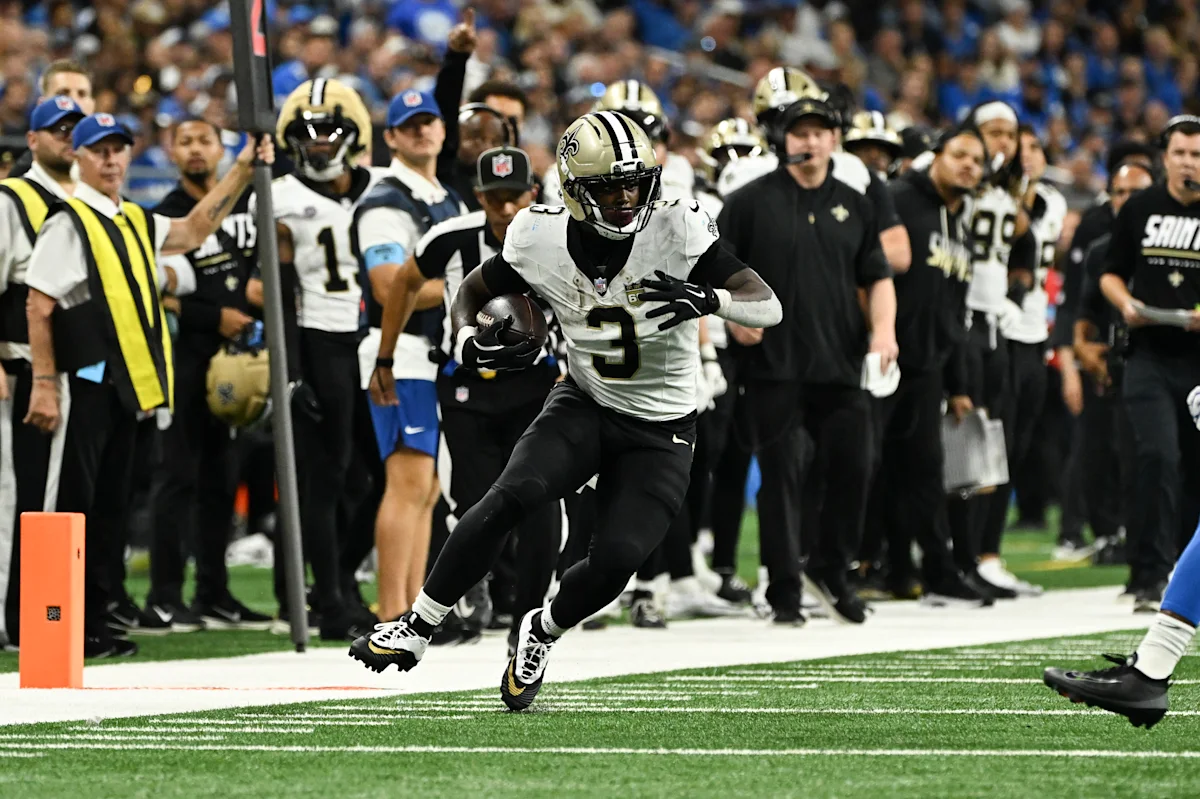
On the perimeter, Mike Evans remains a high-priority start despite concerns about his age, as he continues to command red-zone targets for his new team. However, the news is less optimistic for some high-profile names. Travis Etienne Jr. is facing a potential “committee” situation in New Orleans, while rookie Marvin Harrison Jr. faces a daunting matchup against a disciplined Seattle secondary. Additionally, Cleveland’s Quinshon Judkins is considered a risky start due to the team’s ongoing struggles at the quarterback position and an unfavorable game script against Tampa Bay.
Context
The reasoning behind these shifts often involves a combination of coaching changes and personnel availability. For example, the Baltimore Ravens’ offense has shown signs of modernization under new coordinator Declan Doyle, which bodes well for veteran tight end Mark Andrews. Andrews saw high snap counts and route participation in Week 1, suggesting he remains a focal point of the passing game despite a crowded field of targets.
In Los Angeles, Justin Herbert’s transition into Mike McDaniel’s offensive system is still a work in progress. While Quentin Johnson could see more opportunities if teammates are sidelined, the overall efficiency of the unit remains a question mark. Meanwhile, the Packers are dealing with an offensive line that is struggling to generate push, which may force the team to abandon the run early and lean on pass-catchers like Jayden Reed to moving the chains.
Why it matters
These early-season evaluations are vital because they highlight the difference between a player’s perceived value and their actual production floor. Fantasy managers often fall into the trap of starting players based solely on where they were drafted, but Week 2 is the time to acknowledge “inconvenient truths.” If a player like Travis Etienne Jr. is losing touches to teammates, or if a rookie like Marvin Harrison Jr. is struggling to adapt to the professional pace, managers must be brave enough to pivot.
Ultimately, winning in fantasy football is about identifying volume and favorable game scripts before they become obvious to the entire league. By monitoring the “traffic” of the NFL—understanding which players are seeing the green lights of heavy usage and which are stuck at the red lights of poor coaching or bad matchups—managers can stay ahead of the curve and secure crucial early-season victories.