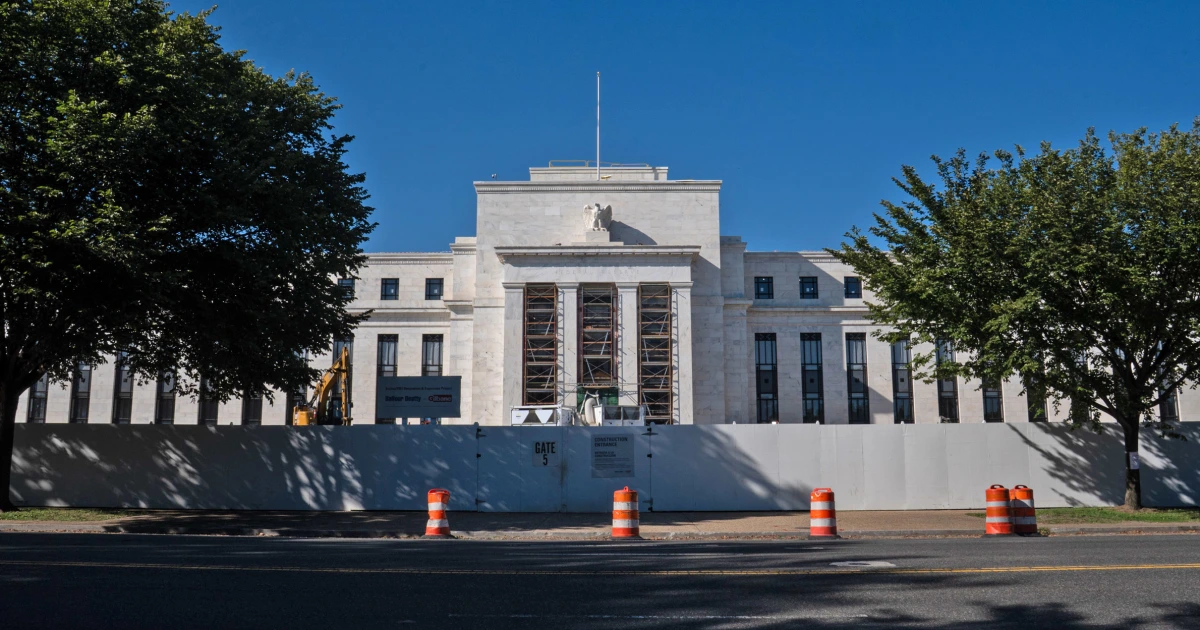
A lengthy investigation into the Federal Reserve’s multibillion-dollar headquarters renovation has concluded that while the project suffered from significant management failures, there is no evidence of criminal activity or administrative misconduct. The report, issued by the Office of the Inspector General (OIG) for the Federal Reserve, addresses a project that has become a lightning rod for political criticism and a focal point of tension between the central bank and the executive branch.
What happened
The 120-page report from the independent watchdog examined the massive construction efforts at the Federal Reserve’s Washington, D.C., campus. While the OIG found no grounds to believe federal laws were broken, it offered a stinging critique of how the project was handled internally. According to the report, the Federal Reserve Board failed to effectively execute contracts or implement necessary cost-management protocols.
Key findings highlighted that even after four years of work and the awarding of more than $2 billion in construction costs, the Board had yet to establish a “guaranteed maximum price” for the project. The watchdog described the internal governance as “insufficient” for an undertaking of such scale and complexity. One specific example of poor management cited was the decision to pivot from a closed-office layout to an open-workspace design after construction had already begun. This mid-stream change extended the project’s timeline and left the budget vulnerable to rising inflationary pressures.
Interestingly, the report debunked some of the more sensational criticisms regarding luxury features. While critics had previously pointed to the use of expensive marble, water features, and garden terraces as evidence of waste, the OIG found these elements did not materially contribute to the overall cost increases. Instead, the overruns were attributed to broader economic factors such as inflation, a limited pool of subcontractor bids, and challenging conditions at the building site.
Context
The renovation project has been a recurring theme in the political friction between former President Donald Trump and the Federal Reserve leadership. Following the release of the report, Trump took to social media to reiterate his dissatisfaction, specifically targeting former Fed Chair Jerome Powell. Trump argued that the cost overruns were a sign of incompetence or corruption, calling for Powell’s immediate resignation and suggesting potential legal action by the government.
The scrutiny is not new; the project was previously discussed during a Senate hearing in June 2025, where Senator Tim Scott questioned Powell on the mounting costs. The investigation itself lasted over a year, coinciding with a period where the Fed faced intense pressure regarding interest rate policies and its institutional independence.
In response to the watchdog’s findings, the current Chair of the Federal Reserve, Kevin Warsh, has already taken steps to overhaul the project’s oversight. Warsh announced that the General Services Administration (GSA)—the federal agency responsible for managing government real estate and office buildings—will take over as the project executive.
Why it matters
The OIG report serves as a complex victory for the Federal Reserve. While it clears the institution of the most serious allegations of criminality, it exposes deep-seated flaws in how the central bank manages its physical assets and large-scale capital expenditures. The transition of oversight to the GSA marks a significant shift, suggesting that the Fed is moving toward greater transparency and external accountability in its administrative operations.
Furthermore, the situation underscores the ongoing challenges of government-adjacent infrastructure projects in an era of high inflation and supply chain volatility. By failing to lock in a maximum price early, the Fed inadvertently created a moving target for its budget, providing ample ammunition for political critics.
As the GSA takes the reins, the focus will shift from investigating past mistakes to ensuring the completion of the renovation. For the American public, the primary concern remains the “prudent and conscientious use of public funds,” as noted by Chair Warsh. The resolution of this oversight failure will be a key test of whether the central bank can restore confidence in its administrative competence while maintaining its essential role in the nation’s economy.