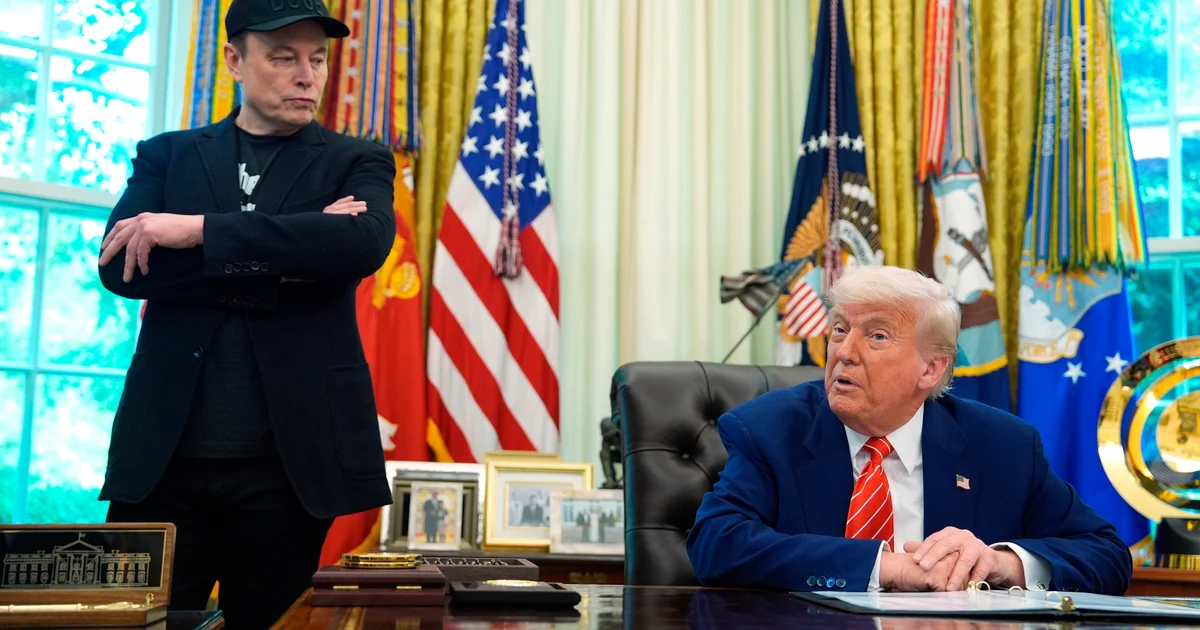
A comprehensive investigation by the Government Accountability Office (GAO) has found that the Department of Government Efficiency (DOGE) significantly overstated its success in cutting federal spending. According to the congressional watchdog, the department’s “Wall of Receipts”—a public-facing list intended to showcase taxpayer savings—was filled with unsubstantiated claims and factual errors. The report concluded that at least $110 billion in claimed savings from contracts, grants, and leases lacked sufficient evidence or were based on incorrect data.
What happened
The GAO’s findings, released in August 2026, indicate that a large portion of the savings claimed by DOGE between January 2025 and July 2026 did not reflect actual new reductions in spending. Investigators found that out of 264 leases DOGE claimed to have terminated, 108 were already being phased out before the department was even established. In these instances, DOGE appeared to take credit for administrative work that was already in progress under previous directives.
Specific discrepancies were also identified in high-profile contract cancellations. For example, DOGE reported a $1.7 billion saving by identifying a Pentagon IT contract for termination. However, the GAO found that the funding was never actually cut, and the contract remained active. Furthermore, the watchdog noted that DOGE failed to provide verifiable methodology for 96% of its reported savings related to federal grants. The lack of transparency was so pronounced that DOGE reportedly did not respond to the GAO’s requests for interviews or additional documentation during the audit.
Context
DOGE was an initiative launched by the Trump administration in early 2025, with tech billionaire Elon Musk playing a central role in its oversight. The department utilized social media, specifically Musk’s platform X, to broadcast its purported successes to millions of followers through the “Wall of Receipts.” This digital ledger was meant to be a transparent real-time tracker of government waste being eliminated.
While the department concluded its formal operations on July 4, 2026, its methods and reported results remained the subject of intense scrutiny. The GAO probe was initiated at the request of Democratic Senators Richard Blumenthal and Gary Peters, who sought to verify if the department’s aggressive claims of efficiency matched the reality of federal accounting. Prior to the GAO report, independent news investigations had already begun to suggest that many of the largest claimed cuts were significantly smaller than advertised.
Why it matters
The GAO report raises serious questions about the transparency and accuracy of high-profile government reform efforts. Senator Gary Peters criticized the initiative, describing it as a “deceptive effort” that misled the public about the true state of federal spending. Beyond the political fallout, the report suggests that such “slapdash” approaches to budgeting can actually hinder the government’s ability to function by creating confusion over available resources and active contracts.
The watchdog emphasized that while identifying government waste is a valuable goal, the utility of such reporting depends entirely on data integrity. By failing to disclose the limitations of its data or the methodology behind its calculations, DOGE may have provided policymakers with a skewed view of federal finances. The GAO recommended that any future efforts of this nature must prominently display data limitations to avoid misleading the public and to ensure that budget decisions are based on verified facts rather than social media optics.