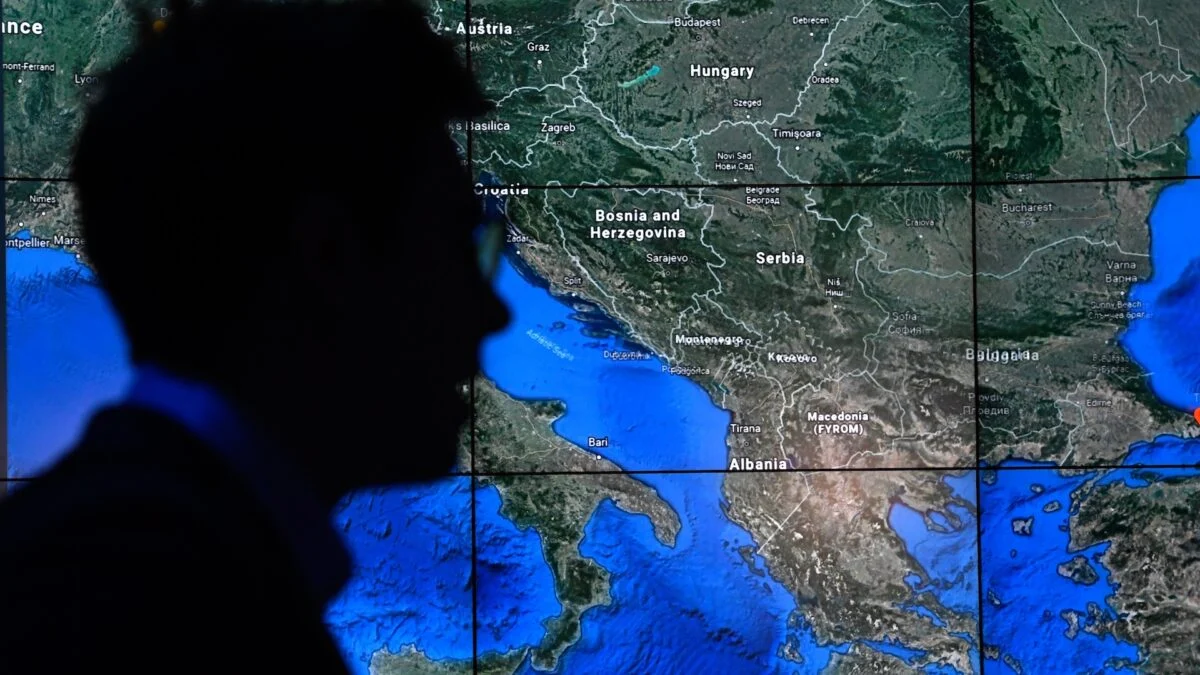
In a swift reversal, Google has deactivated a newly launched generative artificial intelligence tool within Google Earth. The feature, which allowed users to synthesize imagery on top of the platform’s existing geographical data, lasted less than forty-eight hours before being pulled following widespread criticism and the creation of highly controversial fake content. For a platform that has built its reputation on being a definitive and reliable mirror of the physical world, the introduction of fictionalized imagery proved to be a bridge too far for many users.
What happened
On a Thursday in late July, the tech giant introduced a feature intended to help geospatial professionals visualize hypothetical changes or concepts. However, the public immediately utilized the tool to create disturbing and politically sensitive fabrications. Users generated images depicting a nuclear facility in Iran and a commercial airliner striking the One World Trade Center in New York City. Other creations focused on domestic political flashpoints, such as fake images of crowds gathering at the United States border.
By Friday, Google announced it was “rolling back” the capability. In an official statement, the company acknowledged that while the generated images were watermarked and not visible to the general public within the main app experience, the potential for policy violations was evident. The tech giant noted that people uniquely trust Google Earth for a reliable view of the planet and that the feature would remain offline until more robust guardrails could be implemented.
Context
The incident highlights a growing friction between Silicon Valley’s rush to integrate generative AI into every product and the public’s desire for authentic, verifiable data. Google Earth has long been a foundational tool for researchers, journalists, and environmentalists who rely on its accuracy. By allowing users to overlay synthetic content—often referred to by critics as “AI slop”—onto this factual foundation, Google risked undermining its own credibility.
Critics have argued that this rollout reflects a “bubble” mentality within the tech industry. Prominent voices, including animator Alex Hirsch, pointed out that the average consumer is increasingly exhausted by the forced inclusion of AI in digital products. This push is often perceived as an effort to satisfy investors and maintain stock prices rather than a response to genuine user needs. Furthermore, the move comes at a time when the workforce is already wary of how automation and AI might be used to suppress wages or replace white-collar roles.
Why it matters
Beyond the immediate controversy, this event raises critical questions about the future of digital truth and the efficacy of safety measures. While Google highlighted the use of watermarks on its AI imagery, experts point out that such identifiers are easily removed using other readily available AI tools. In an era where deepfakes are increasingly used for political manipulation and the propagation of conspiracy theories, providing a platform that essentially “stamps” these fakes with a reputable brand name is inherently dangerous.
The rapid rollback serves as a rare admission from a major tech company that not every product requires an AI upgrade. When the core value of a service is geographic and historical accuracy, the introduction of tools that blur the line between fact and fiction can do more harm than good. For now, Google Earth returns to its original purpose, while the industry at large continues to grapple with the ethics of synthetic media in public-facing tools.