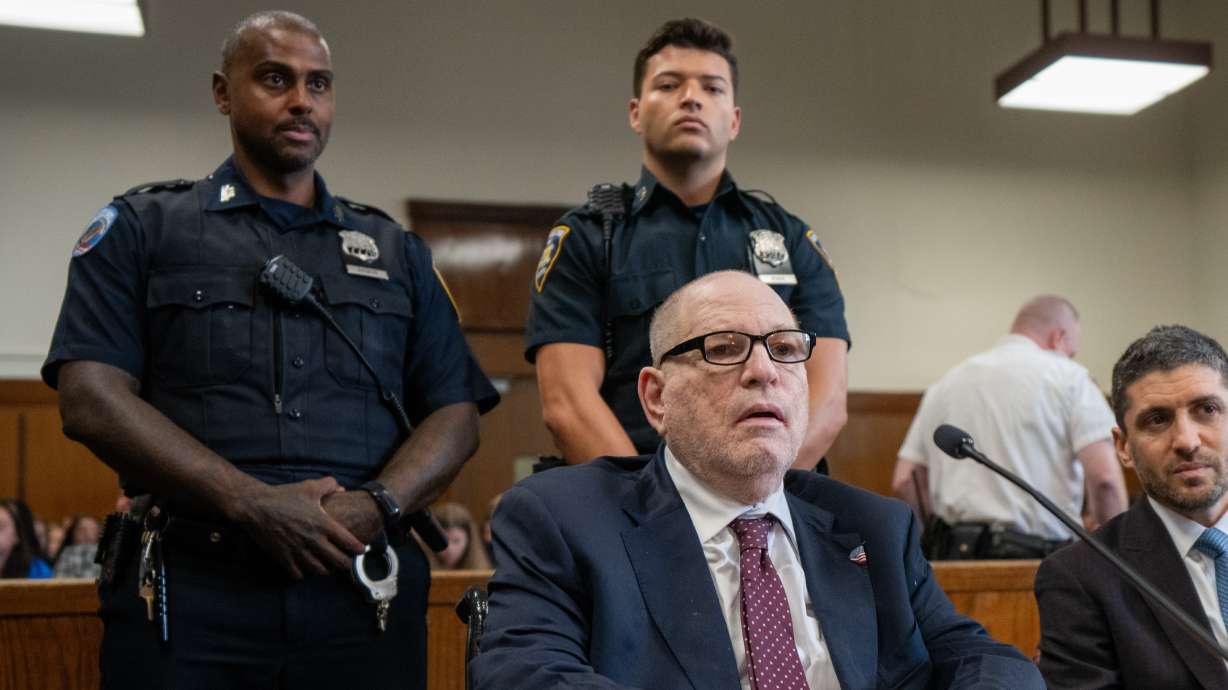
In a high-profile Manhattan courtroom on Wednesday, the legal saga surrounding Harvey Weinstein reached a significant milestone. The former Hollywood powerhouse was sentenced to 15 years in prison for a 2006 sexual assault, marking a pivotal moment in the ongoing legacy of the MeToo movement. This sentencing follows a tumultuous legal path that has spanned more than half a decade and seen the rise and fall of one of the most influential figures in entertainment history.
What happened
The 15-year sentence stems from the sexual assault of Miriam Haley, a former television production assistant, at Weinstein’s Manhattan apartment nearly two decades ago. During the sentencing hearing, Haley delivered a poignant statement, describing the “devastating effect” the assault had on her life and her enduring sense of security. She characterized the trauma as a “life sentence” for herself, noting that the decision to come forward would leave her looking over her shoulder for years to come.
Weinstein, now 74, appeared in court in a wheelchair. While he offered an apology for his past behavior and expressed regret over how his conduct affected others, he maintained his innocence regarding the specific criminal charges. His defense team has indicated that an appeal is expected.
Judge Curtis Farber did not mince words when handing down the sentence. He described Weinstein as a “sexual predator” and noted that the former mogul’s professional accolades—which once included multiple Academy Awards—would now be overshadowed by his crimes. The judge criticized Weinstein for failing to accept responsibility and for treating women as objects rather than people.
Context
This sentencing is the culmination of a legal “odyssey” that began in 2017 when a wave of allegations against Weinstein sparked the global MeToo movement. Originally convicted in 2020, Weinstein saw that conviction overturned by New York’s highest court, leading to a retrial. Last year, a second jury again found him guilty, leading to the current 15-year term.
Before his legal downfall, Weinstein was the co-founder of Miramax and The Weinstein Company, responsible for cinematic staples such as “Pulp Fiction,” “Shakespeare in Love,” and “Chocolat.” He was once considered the ultimate kingmaker in Hollywood, capable of making or breaking careers. However, that power evaporated almost overnight following the public disclosure of his history of abuse and harassment.
Why it matters
The sentencing of Harvey Weinstein carries weight far beyond the walls of the Manhattan courtroom. It represents a sustained commitment to accountability, even when the legal process is hindered by appeals and procedural reversals. For many, the fact that Weinstein—once deemed “untouchable”—will likely remain incarcerated into his 80s serves as a powerful symbol of the shift in how society and the justice system handle high-profile sexual misconduct.
The case also highlights the immense personal toll on survivors who choose to participate in the justice system. Miriam Haley’s testimony across two separate trials and her final address to the court underscore the bravery required to confront a powerful abuser publicly. As the “literal face” of the MeToo movement, Weinstein’s sentencing provides a sense of closure to a legal battle that helped redefine the boundaries of power and consent in the modern era.