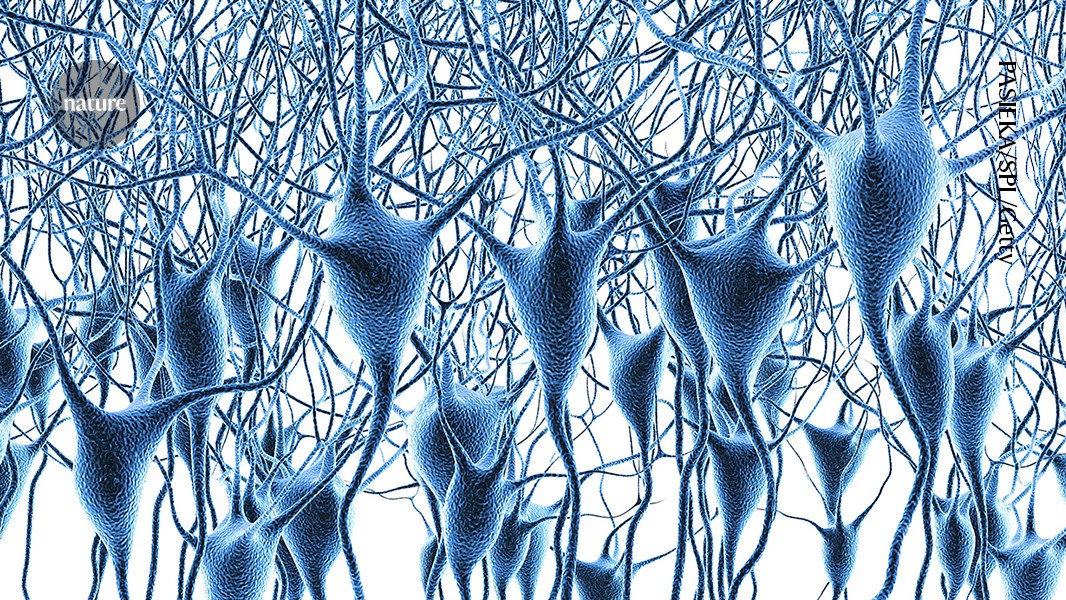
The human brain is often described as the most complex structure in the known universe, but a massive new research initiative has brought us one step closer to decoding its inner workings. A consortium of scientists has released an unprecedented atlas of gene activity within the prefrontal cortex, a discovery that could fundamentally change how we approach neurodegenerative and psychiatric conditions. By analyzing the genetic signatures of millions of individual cells, researchers are uncovering the molecular triggers behind Alzheimer’s disease and other debilitating brain disorders.
What happened
A team of international researchers has produced the most comprehensive map to date of gene activity in the human prefrontal cortex. This landmark project, the results of which were recently published across a series of eight studies, utilized data from more than 6.3 million individual brain cells. The study was massive in scope, examining tissue samples from nearly 1,500 donors.
The donor pool was remarkably diverse, spanning a wide age range from infants to a centenarian who lived to be 108 years old. This allowed the team to observe how gene expression changes across a human lifetime. To achieve this level of detail, the researchers employed single-cell RNA sequencing. This advanced technique allows scientists to see which genes are “turned on” or active within a specific cell at a specific moment, providing a high-definition view of cellular health and behavior. The map includes not only neurons, which are responsible for electrical signaling, but also the immune and vascular cells that support brain function.
Context
The research was conducted by the PsychAD Consortium, a partnership funded by the National Institutes of Health (NIH) involving several major U.S. institutions. Since its inception in 2019, the group has focused on the intersection of genetics, aging, and disease.
The researchers specifically targeted the prefrontal cortex because of its role as the brain’s “command center.” This region governs executive functions, including planning, decision-making, emotional regulation, and working memory. Specifically, the dorsolateral prefrontal cortex has long been a focal point for scientists because its impairment is a hallmark of many psychiatric and cognitive disorders.
The study didn’t just look at healthy brains; it compared them against tissue from individuals diagnosed with various conditions, including Alzheimer’s disease, Parkinson’s disease, schizophrenia, bipolar disorder, and several forms of dementia. By comparing these groups, the consortium aimed to identify exactly where cellular processes go wrong in the presence of disease.
Why it matters
The scale of this study represents a paradigm shift in neuroscience. Traditionally, single-cell brain studies were limited to a small number of individuals, making it difficult to draw broad conclusions about the general population. Moving to a “population-scale” setting allows scientists to ask much more complex questions about how genetic variations lead to physical changes in the brain.
This atlas provides a vital bridge between genetic theory and clinical reality. By identifying which specific cells are affected by certain genetic mutations, researchers can better understand the mechanics of diseases like Alzheimer’s. For instance, knowing whether a specific gene is malfunctioning in an immune cell versus a neuron could lead to more targeted and effective therapies.
While the prefrontal cortex is only one part of the brain, this map serves as a foundational blueprint. It offers a consistent framework that allows scientists to compare their findings across different studies and conditions. As the research continues to expand into other brain regions, this data will be instrumental in developing new diagnostic tools and treatments for the millions of people worldwide living with neurodegenerative and psychiatric disorders.