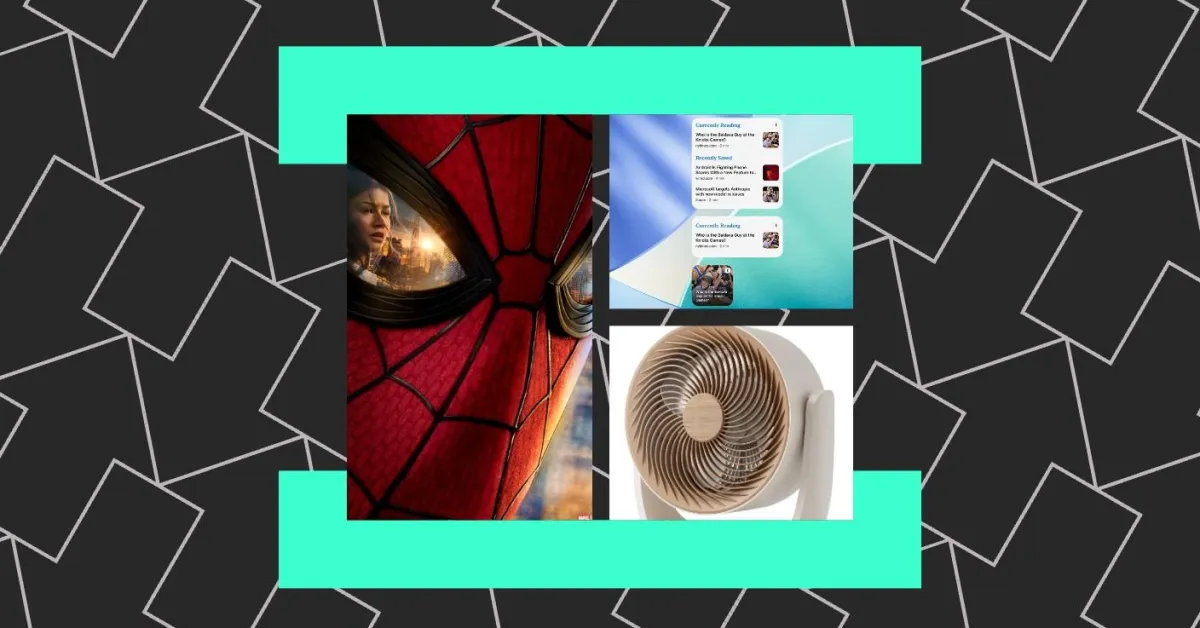
The landscape of digital reading is witnessing the return of a veteran player to the spotlight. After years of shifting ownership and quiet maintenance, one of the original pioneers of the “read-it-later” movement has unveiled a significant transformation. This update aims to reclaim the app’s position as a premier destination for users who prioritize distraction-free consumption of long-form content in an increasingly cluttered digital world.
What happened
The headline development this week is the official launch of Instapaper 10. This milestone update represents the most substantial overhaul the service has seen in years. Under the leadership of Brian Donohue, the platform has introduced a complete visual redesign that spans across its mobile presence and its web interface. The new web app, in particular, has been rebuilt to offer a more fluid and modern experience, addressing long-standing criticisms regarding its aging desktop presence.
Beyond the aesthetics, Instapaper 10 introduces improved organizational features and reading tools designed to help users manage their ever-growing queues of articles. The release comes alongside a broader wave of tech and culture updates, including the debut of Pastebot 3, new developments in the Halo modding community with “Campaign Evolved,” and the return of Spider-Man in the “Brand New Day” era. The update signals a renewed focus on the core utility of the app: providing a clean, curated space for text.
Context
Instapaper has a storied history in the mobile app ecosystem. Launched during the early days of the App Store, it helped define the category of time-shifted reading. However, its journey has been marked by several transitions. After being sold by its creator to Betaworks, and subsequently acquired by Pinterest, the app eventually found its way back to independent ownership. During these transitions, the pace of innovation occasionally slowed, allowing competitors like Pocket and specialized “knowledge management” tools like Readwise to capture a segment of the power-user market.
The release of version 10 is more than just a software patch; it is a statement of intent. By modernizing the infrastructure and the user interface, the development team is positioning Instapaper to compete with modern workflows. This occurs at a time when the tech community is also seeing a resurgence in niche hardware and software, such as the Elgato Prompter XL for creators or the Logitech Alto Keys K98M for mechanical keyboard enthusiasts, all of which point toward a trend of users seeking more intentional, high-quality digital environments.
Why it matters
The resurgence of a classic app like Instapaper is significant because it highlights the enduring value of the “attention economy” sanctuary. As social media platforms move further away from chronological text feeds and toward algorithmically driven video, the need for a dedicated, user-controlled reading space becomes more acute. For many, a read-later app is the primary tool for fighting information overload, allowing them to curate their own “daily digest” rather than relying on automated recommendations.
Furthermore, the success of this update demonstrates that legacy apps can remain relevant by focusing on their core strengths—typography, simplicity, and speed—while adopting modern design standards. While power users may still gravitate toward more complex research tools, the revitalization of Instapaper provides a high-quality, accessible option for the general public. As the developer ecosystem continues to evolve, the return to form for “OG” applications suggests that there is still plenty of room for tools that do one thing exceptionally well. For the millions of users who rely on digital archiving for work or leisure, the stability and modernization of such a foundational tool are welcome developments.