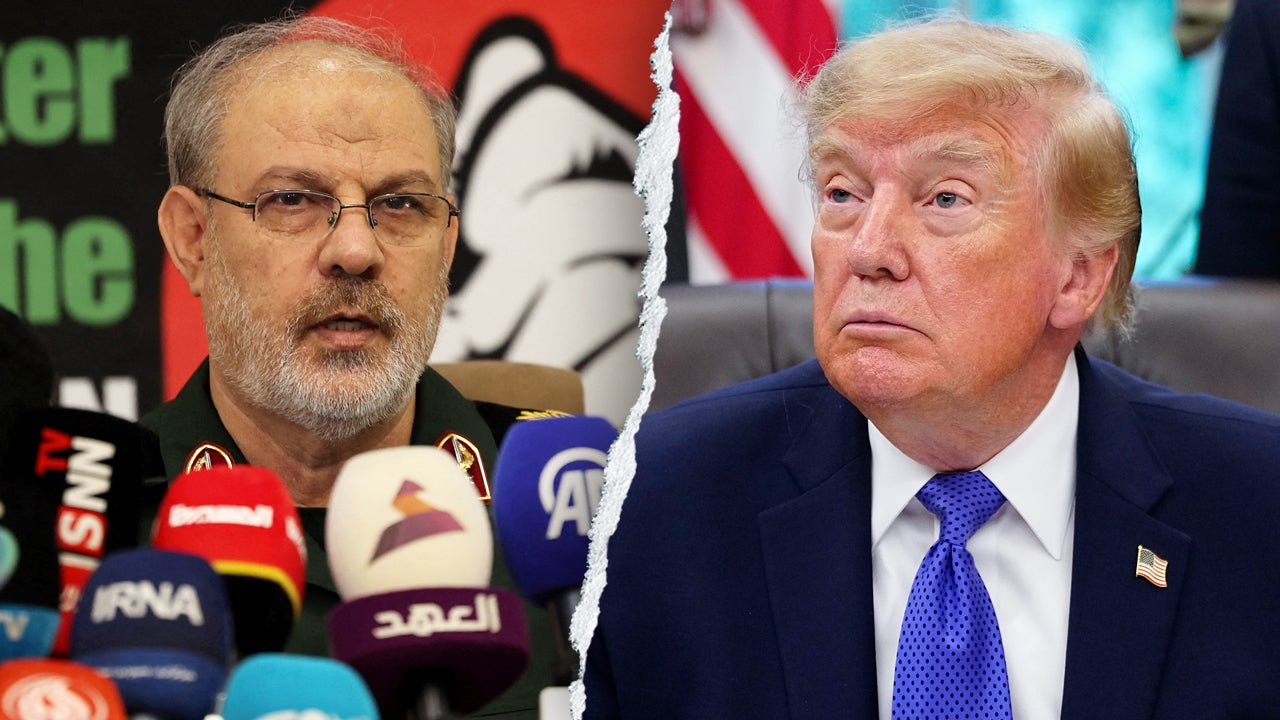
Tensions between Tehran and Washington have reached a new flashpoint as the Islamic Revolutionary Guard Corps (IRGC) ramps up its rhetoric against the United States. Amid a deepening military presence in the Middle East and a tightening economic stranglehold on the Islamic Republic, Iranian officials are moving beyond traditional military posturing to engage in a high-stakes war of words. As the Iranian economy faces a historic freefall, the IRGC is attempting to influence American public opinion while asserting its continued control over one of the world’s most vital maritime corridors.
What happened
The IRGC recently escalated its confrontation with the Trump administration by issuing an extensive 25-page letter addressed directly to the American electorate. Presented by spokesperson Hossein Mohebbi, the document urges U.S. voters to oppose current White House policies and pressure the government to de-escalate ongoing regional conflicts. In his remarks, Mohebbi labeled President Trump a “big liar,” specifically challenging the administration’s portrayal of “Operation Epic Fury” and the actual state of the U.S. economy.
The letter further accuses the U.S. government of misleading its citizens regarding the true nature of Iran’s nuclear program and the financial toll of sustained military involvement in the Middle East. Tehran’s messaging suggests that while the White House claims a booming economy, the U.S. is actually on the verge of a financial crisis. This outreach comes at a time when the IRGC is doubling down on its claim that it maintains significant leverage over the Strait of Hormuz, despite the active presence of the U.S. Navy in the region.
Context
This rhetorical offensive is unfolding against a backdrop of catastrophic economic conditions within Iran. On Tuesday, the Iranian rial plummeted to a staggering new low, trading at more than 2.5 million to the U.S. dollar. This marks a rapid decline from a previous record low set less than a month ago. The currency’s collapse is largely attributed to a comprehensive U.S. naval blockade that has severely restricted Iran’s ability to export oil, alongside a series of stringent sanctions designed to cut off the regime’s access to international financial markets and military resources.
Simultaneously, the geopolitical strain is being felt by neighboring states. Saudi Arabian Foreign Minister Prince Faisal bin Farhan recently held high-level meetings with members of the U.S. Senate Foreign Relations Committee. These discussions focused on the urgent need to restore “freedom of navigation” in the Strait of Hormuz, which has been disrupted by the ongoing hostilities. U.S. lawmakers, including Senator Jeanne Shaheen, have expressed growing concern over how the conflict is destabilizing Saudi Arabia and exacerbating tensions in the West Bank.
Why it matters
The situation carries profound implications for both global energy security and international diplomacy. The Strait of Hormuz serves as the world’s most important oil transit point; any perceived or actual threat to shipping in this waterway sends shockwaves through global energy markets. The IRGC’s insistence that it retains leverage there—despite the U.S. military presence—indicates a high risk of miscalculation or intentional provocation that could lead to a broader conflict.
Furthermore, the IRGC’s direct appeal to American voters represents a sophisticated attempt at information warfare, seeking to exploit domestic political divisions in the U.S. to achieve foreign policy objectives. While Tehran attempts to project strength through these letters and military threats, the domestic reality of a collapsing currency suggests that the “maximum pressure” campaign is taking a heavy toll on the regime’s internal stability. As the economic crisis in Tehran worsens, the desperation of the leadership may lead to more aggressive maneuvers in the Persian Gulf, making the diplomatic efforts between the U.S. and its regional allies more critical than ever.