Amid a deepening diplomatic and military stalemate, Iranian Foreign Minister Abbas Araghchi has signaled that force will not resolve the ongoing hostilities between Washington and Tehran. Speaking on Sunday, the Islamic Republic’s top diplomat emphasized that the conflict, which has been marked by intense maritime skirmishes and heavy economic pressure, can only be settled through equitable negotiations rather than further combat or sanctions.
What happened
The Iranian leadership issued a stern warning to its adversaries, stating that any escalation in military confrontation would be met with an even more robust defense than previously seen. Foreign Minister Araghchi, addressing a gathering of foreign diplomats, rejected the effectiveness of current U.S. strategies, claiming that neither military campaigns nor the imposition of new economic sanctions would yield a resolution. He argued that the only viable path forward involves “negotiations based on justice and fairness.”
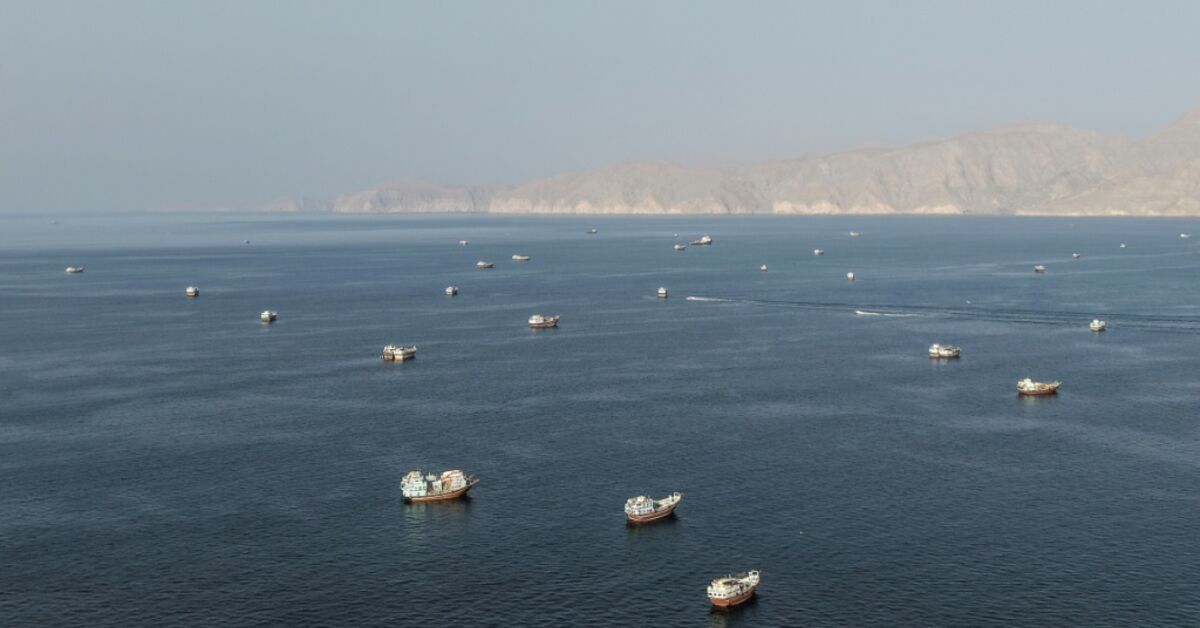
This diplomatic posturing comes as maritime security remains under threat. On Sunday, the British maritime agency UKMTO reported that a tanker in the Strait of Hormuz was struck by an unidentified projectile. While the incident caused damage to the vessel’s engine room, no casualties or environmental leaks were reported. This latest attack underscores the volatility of the region’s shipping lanes, which have become a central front in the conflict.
Simultaneously, a significant leadership change occurred within Tehran’s energy sector. President Masoud Pezeshkian accepted the resignation of Oil Minister Mohsen Paknejad, who had reportedly been seeking to step down for personal reasons for some time. Paknejad has been replaced by Hamid Bovard, the former head of the National Iranian Oil Company, at a time when the nation’s oil exports remain under a strict U.S.-led blockade.
Context
The current state of open hostility traces back to late February, when military operations were initiated by the United States and Israel. Despite an initial period of heavy aerial bombardment intended to bring the war to a swift conclusion, the conflict reached an impasse. In response to the failure of military force to achieve a decisive victory, Washington has recently pivoted toward a strategy of maximum economic pressure.
The primary flashpoint remains the Strait of Hormuz, a critical chokepoint for global energy supplies. Since the onset of the war, Iran has attempted to enforce its own control over the waterway, targeting vessels that transit without its specific authorization. In response, the U.S. has established a counter-blockade against Iranian ports and targeted ships accused of violating these restrictions. Although a memorandum of understanding was drafted in June to establish a framework for peace, the agreement collapsed following a resurgence of Iranian attacks on maritime traffic, leading to a return of American military intervention.
Why it matters
The deadlock between the U.S. and Iran has profound implications for global energy security. The Strait of Hormuz is the world’s most important oil transit point, and continued instability there threatens to disrupt the flow of both petroleum and liquefied natural gas (LNG). The recent strike on a tanker serves as a reminder that the “shadow war” at sea can quickly escalate into a crisis for the global economy.
Furthermore, the transition from active bombardment to economic warfare suggests that both sides are preparing for a long-term war of attrition. While indirect talks were recently held on the sidelines of the UN General Assembly—where Tehran reportedly presented seven specific conditions for reopening the strait—the gap between the two nations remains wide. The replacement of Iran’s oil minister suggests that Tehran is bracing for continued pressure on its primary revenue source, even as its diplomats publicly call for a return to the negotiating table. Without a breakthrough in the “fairness” Araghchi demands, the region remains on a precarious edge.