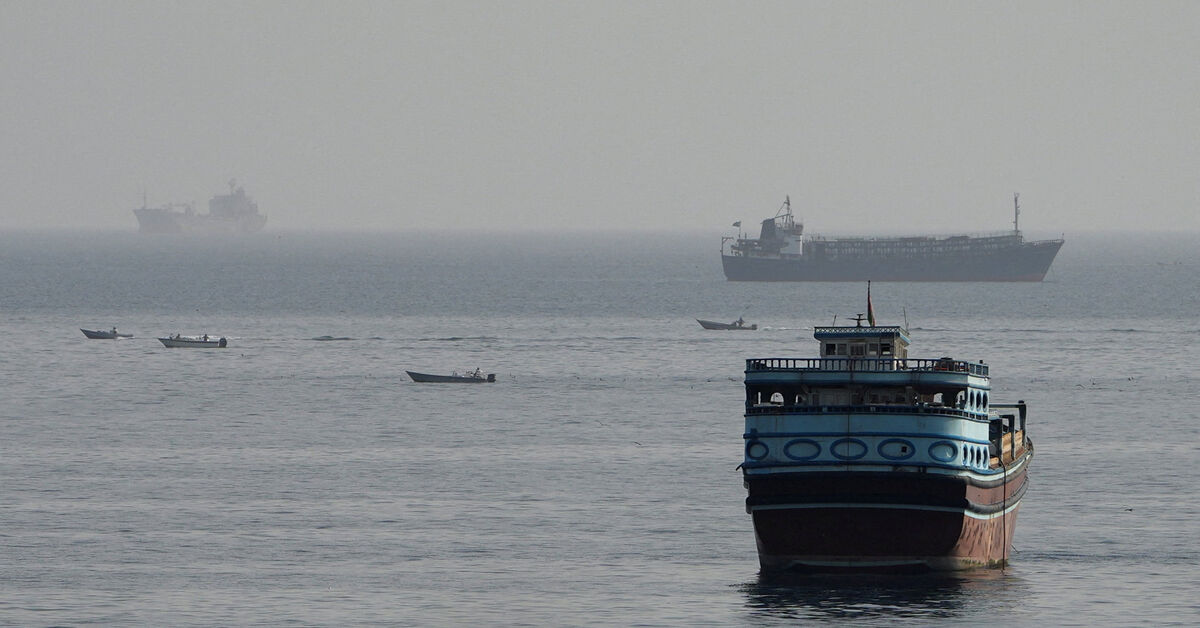
Iran is shifting its geopolitical strategy, pivoting away from the pursuit of a singular military triumph in favor of a protracted campaign of economic and logistical attrition. By targeting the primary arteries of global commerce, Tehran aims to exhaust Washington’s patience and resources, betting that it can outlast the United States in a test of regional endurance.
What happened
Tehran is systematically transforming the Middle East’s most critical trade and energy corridors into high-stakes pressure points. This is not a haphazard series of provocations; rather, it is a calculated effort to increase the financial and political burden on the United States and its regional allies.
According to analysts and Gulf officials, Iran is moving beyond its traditional focus on the Strait of Hormuz. Recent signals suggest that Red Sea shipping lanes and Saudi Arabian energy infrastructure are increasingly viewed as viable targets. The objective is to convince the West that the price of defending these routes—and maintaining a policy of containment—is far higher than the cost of meeting Iran’s diplomatic and economic demands.
Context
This strategy relies on what experts call “calibrated escalation.” Instead of triggering an all-out war, which would risk a catastrophic military response, Tehran introduces new variables incrementally. This involves the deployment of diverse weaponry and the expansion of operations into new geographic zones to keep the opposition off balance.
Military commanders within the Revolutionary Guard appear to believe they hold a strategic advantage. They perceive a reluctance in Washington to become deeply entangled in another Middle Eastern conflict, especially during sensitive political cycles. This calculation fuels Tehran’s belief that by widening the scope of the conflict, they can eventually force the U.S. to the negotiating table on Iranian terms. While the U.S. has expressed a desire for talks to resolve tensions, Tehran has maintained a firm public stance, rejecting negotiations until their conditions regarding the status quo in the Gulf are addressed.
Why it matters
The implications of this shift extend far beyond regional security, directly impacting the global economy. By weaponizing maritime chokepoints that facilitate a significant portion of the world’s daily oil consumption, Iran is leveraging global market stability as a tool for diplomacy.
This strategy tests the limits of traditional military deterrence. If international powers cannot secure these vital lanes without a massive, permanent increase in naval presence or a risky direct confrontation, they may be forced to accept a new reality where Iran exerts greater control over regional waters. For the international community, this indicates that oil market volatility and maritime risks are no longer temporary hurdles but are becoming permanent features of the current geopolitical landscape.