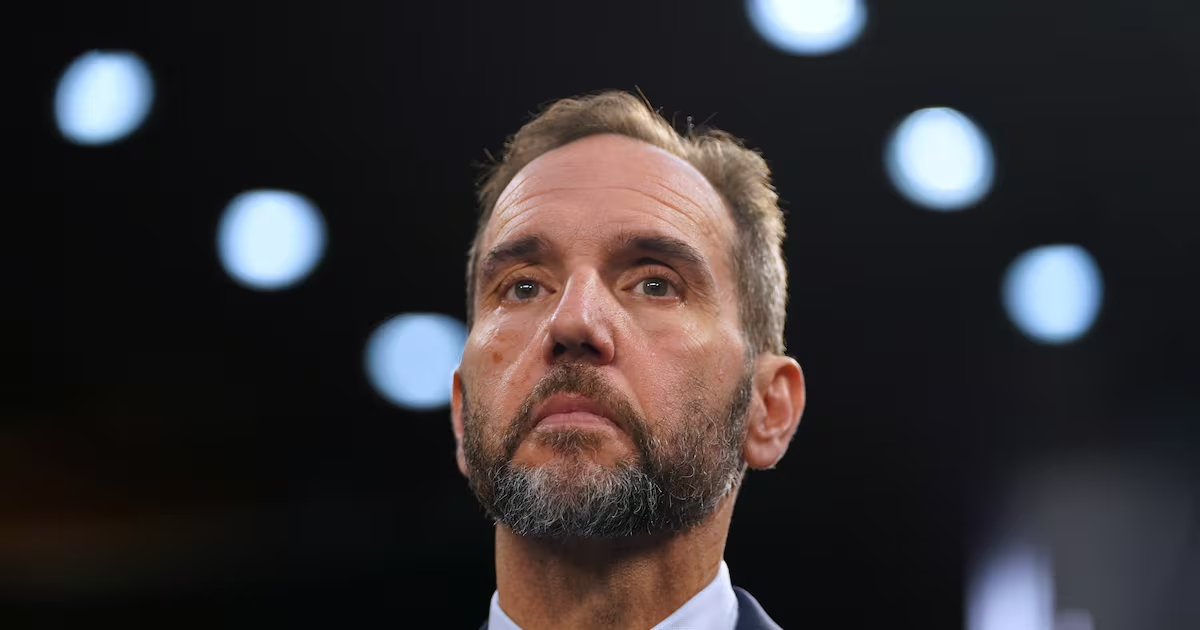
Jack Smith, the former Department of Justice special counsel, delivered a defiant defense of his work during a high-stakes appearance before the Senate Judiciary Committee on Tuesday. Addressing a room of lawmakers deeply divided over his investigations into former President Donald Trump, Smith asserted that he would not be intimidated by political pressure or the threat of future prosecution. His testimony served as a formal pushback against claims that his office engaged in the “weaponization” of the American justice system.
What happened
During the hours-long hearing, Smith faced intense questioning from Republican senators who sought to characterize his prosecutions as politically motivated. Senate Judiciary Chairman Chuck Grassley opened the session by accusing the special counsel’s office of “weaponized conduct,” focusing on the federal indictments Smith brought regarding the 2020 election and the handling of classified documents at Mar-a-Lago.
Smith remained resolute, stating that his team acted independently and without regard for partisan politics. He told the committee that the rule of law is currently facing an unprecedented threat and expressed concern over the dismissal of career prosecutors who worked on his team. Smith emphasized that the decision to bring charges was based solely on the facts and the law, and he vowed that he “will not be silenced” by the incoming administration’s rhetoric.
One of the more contentious—and bizarre—moments of the hearing involved an exchange with Missouri Senator Eric Schmitt. The senator attempted to link Smith to local prosecutors in Georgia by accusing him of lying about attending a basketball game in Atlanta. However, the line of questioning faltered when Smith clarified that he had actually attended a women’s college basketball game involving the University of Iowa Hawkeyes in Maryland, rather than a professional game with the Atlanta Hawks. The confusion highlighted the aggressive, though sometimes misplaced, efforts by critics to find evidence of a conspiracy between federal and state investigators.
Context
The hearing takes place against a backdrop of significant legal and political upheaval. As special counsel, Jack Smith led two landmark federal investigations into Donald Trump. The first centered on efforts to overturn the results of the 2020 presidential election, culminating in the events of January 6, 2021. The second focused on the alleged mishandling of highly sensitive national security documents at the former president’s Florida estate.
Since the 2024 election results, the legal landscape for these cases has shifted dramatically. The Department of Justice has historically maintained a policy against prosecuting sitting presidents, leading to the wind-down of these federal cases. Furthermore, the Trump transition team has been vocal about its intentions to investigate the investigators, suggesting that those involved in the special counsel’s office could face their own legal scrutiny. Smith’s testimony was a preemptive strike against these threats, aimed at defending the integrity of the professional staff who managed the cases.
Why it matters
The testimony of a former special counsel before a congressional committee is a rare event that underscores the deep polarization of the American legal system. For Smith, the hearing was an opportunity to create a public record defending the independence of the Department of Justice. He argued that the targeting of career civil servants for their roles in sensitive investigations sets a dangerous precedent that could discourage future prosecutors from taking on high-profile cases involving powerful figures.
For Republicans, the hearing was an essential venue to air grievances about what they perceive as a double standard in federal law enforcement. They argue that the speed and scope of the investigations into Trump were disproportionate compared to inquiries into other political figures.
Ultimately, the clash in the Senate Judiciary Committee reflects a broader debate over the “rule of law” in the United States. While Smith views his work as an essential effort to hold power accountable, his detractors see it as a cautionary tale of executive overreach. The outcome of this rhetorical battle will likely influence how the Department of Justice operates under the next administration and whether the precedent of independent special counsels remains a viable tool for government oversight.