In a rare and candid admission to its investors, the investment banking giant JP Morgan has revealed that it is currently unable to provide an accurate forecast for the future of oil prices. The bank cited the volatile nature of the ongoing conflict between the United States and Iran, alongside the unpredictable policy shifts of the Trump administration, as primary reasons for their inability to “model the endgame” of the current market crisis.
What happened
JP Morgan analysts issued a note explaining that their initial projections for the year were based on a set of “economic red lines” they believed the U.S. government would be unwilling to breach. These thresholds included crude oil hitting $100 a barrel, gasoline prices reaching $5 a gallon, and national inflation climbing to 4%. The bank also monitored the interest rate on 10-year government borrowing, setting a symbolic limit at 5%.
The bank’s researchers admitted that six months into the conflict, many of these supposed limits have been exceeded. Despite crude oil surging past the $100 mark and bond yields ticking over 5%, a clear exit strategy from the conflict has failed to emerge. Consequently, the firm stated it no longer has a “baseline view” for the commodity, marking a significant moment of uncertainty for one of the world’s most influential financial institutions.
Context
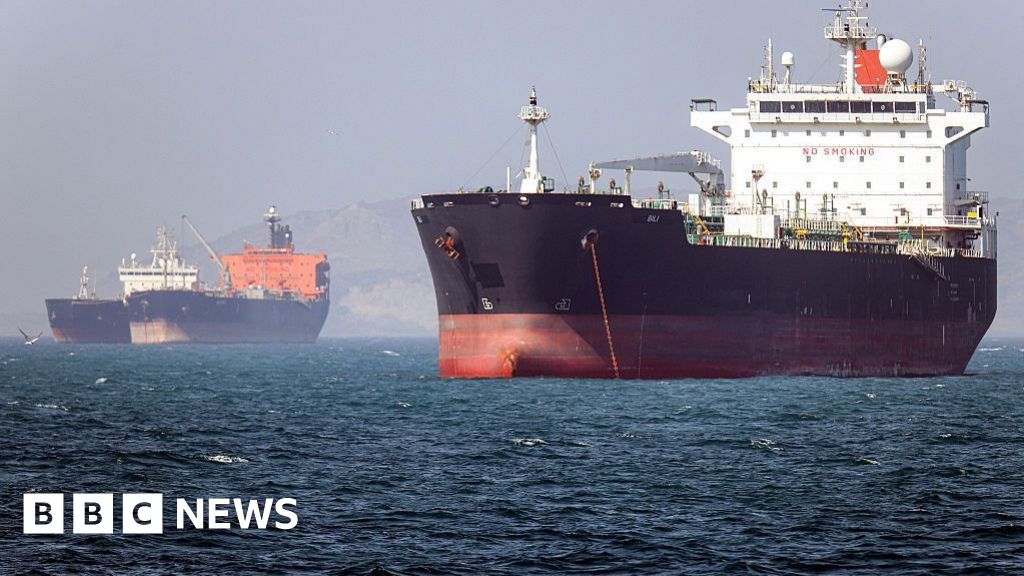
The instability stems largely from the disruption of the Strait of Hormuz, a vital shipping lane for global energy supplies. While JP Morgan experts had initially anticipated a deal to reopen the lane as early as June, the standoff has persisted. This geopolitical tension is compounded by domestic political timing. President Trump recently indicated that he does not expect a resolution to the hostilities until after the U.S. midterm elections, though he asserted that fuel prices would drop sharply once the voting concludes.
The economic pressure has forced the Federal Reserve to take action. This week, the central bank raised interest rates for the first time in over three years. Fed Chair Kevin Warsh defended the decision by stating that inflation has remained too high for too long, though this move has faced public disagreement from the White House. The divergence between the central bank’s strategy and the administration’s rhetoric has added another layer of complexity for market analysts trying to predict the path forward.
Why it matters
The admission from JP Morgan is significant because it reflects a broader sense of unease within the global financial community. When an institution with such vast resources admits it cannot find a reliable model for the market, it signals that traditional economic indicators may no longer be reliable in the current political climate.
For the average consumer, this uncertainty manifests as a rising cost of living. With energy and fuel prices surging ahead of the winter months, households are facing increased financial strain. Furthermore, because oil is a foundational commodity for global trade, its price volatility directly influences inflation across nearly all sectors. For investors, the lack of a clear baseline makes it increasingly difficult to make informed decisions regarding inflation expectations and long-term asset management, leaving the global market in a state of high alert.