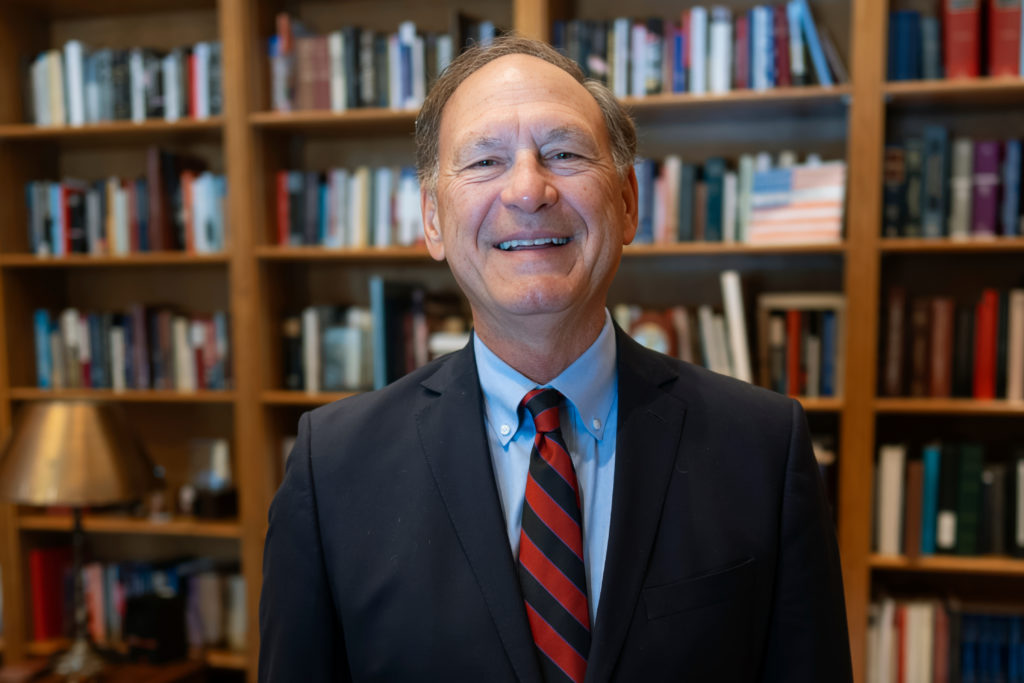
Justice Samuel Alito recently broke his typical silence, offering a candid critique of the political atmosphere surrounding the nation’s highest court. In a rare interview with The Associated Press, Alito addressed two of the most pressing issues currently facing the Supreme Court: the surge in emergency applications—often called the “shadow docket”—and the increasingly aggressive rhetoric coming from Donald Trump and his administration. His remarks signal a growing concern within the judiciary about maintaining institutional integrity amidst heightened political polarization.
What happened
During the interview, Alito expressed personal dissatisfaction with how the court is being described by political figures. Specifically, he noted that the rhetoric used by Donald Trump and his team doesn’t “sit well” with him. While acknowledging the fundamental right of every American to criticize the court’s decisions, he emphasized that the nature of recent attacks feels different and more personal.
Beyond the political discourse, Alito addressed the administrative burden of the emergency docket. He explained that the Supreme Court does not seek out these urgent cases; rather, they are a byproduct of the current legal and political environment. According to Alito, the court is essentially obligated to respond to the flurry of emergency appeals filed by the government and various interest groups. He suggested that the justices have little control over the sheer volume of these fast-tracked decisions, as they are reacting to rulings made by lower courts that require immediate intervention.
Context
The “shadow docket” refers to the Supreme Court’s use of summary orders and emergency stays to decide major legal issues without the traditional process of full oral arguments and extensive briefing. In recent years, the frequency of these cases has spiked significantly, covering everything from immigration policy to federal executions. Critics argue this practice lacks transparency and prevents the public from seeing the full legal reasoning behind consequential rulings that affect millions of people.
Simultaneously, the court has faced unprecedented public pressure. Former President Donald Trump has frequently targeted specific judges and the court as a whole when rulings do not align with his goals. By speaking out, Alito is attempting to defend the court’s reputation at a time when public trust in judicial institutions is at a historic low. His comments reflect a judicial branch that feels increasingly cornered by both procedural demands and political hostility from the executive branch.
Why it matters
This interview highlights a critical tension in American governance: the independence of the judiciary versus the influence of the executive and legislative branches. When a sitting justice publicly voices displeasure with a president’s rhetoric, it underscores a breach in the traditional norms of mutual respect between the various branches of government. It suggests that the justices are acutely aware of their public perception and the potential for political rhetoric to undermine their authority.
Furthermore, Alito’s defense of the emergency docket suggests that the court views itself as a reactive body rather than an instigator of legal shifts. For the legal community and the public, these comments provide a glimpse into the internal pressures facing the justices. If the court cannot stem the tide of emergency appeals, the “shadow docket” may become the new standard for how the most controversial laws in the country are adjudicated. This shift could potentially undermine the stability and predictability of the American legal system, as major precedents are set through abbreviated processes rather than thorough, public deliberation.