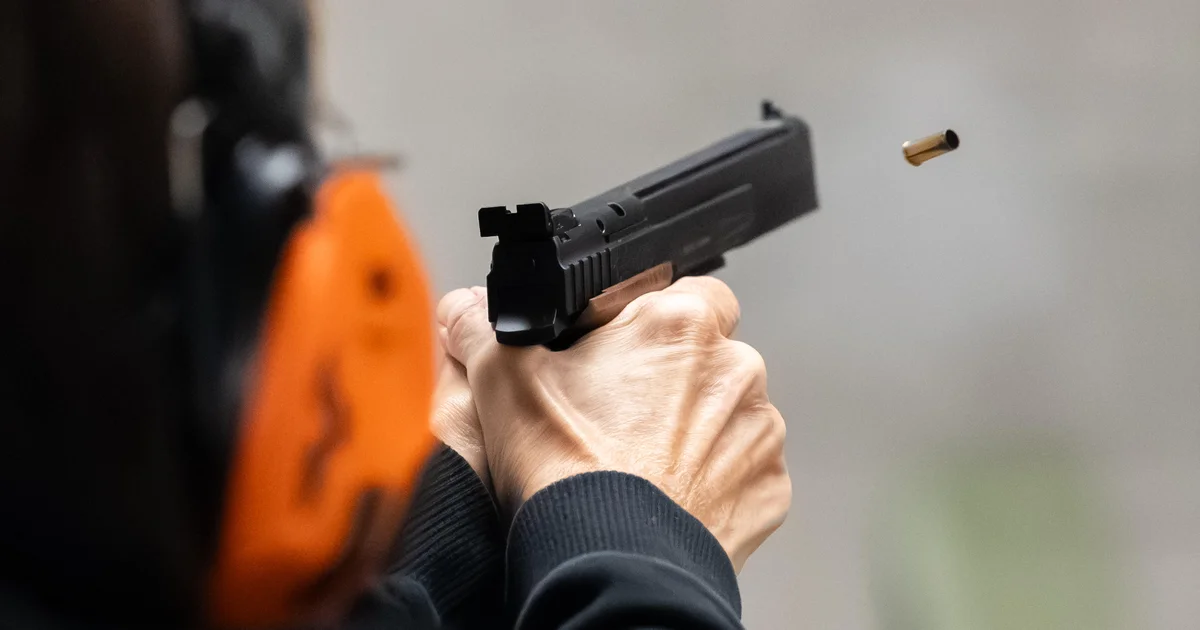
In a significant shift regarding federal firearms enforcement, the Department of Justice (DOJ) has issued a formal legal opinion concluding that the long-standing ban on handgun sales to individuals aged 18 to 20 is unconstitutional. This determination, released by the Office of Legal Counsel, asserts that prohibiting licensed dealers from selling handguns and соответствующей ammunition to young adults violates their Second Amendment rights. The move marks a pivot in the federal government’s interpretation of constitutional protections for gun owners and could reshape the landscape of firearm commerce across the United States.
What happened
The new legal opinion was authored by T. Elliot Gaiser, the assistant attorney general for the Office of Legal Counsel. In the document, Gaiser argued that the current statutory framework creates an illogical contradiction regarding the rights and responsibilities of young adults. He noted that the law recognizes 18-year-olds as mature enough to participate in the democratic process through voting, serve on juries, face the death penalty in criminal proceedings, and be drafted into the military.
The DOJ opinion highlighted the case of a competitive shooter who represented the United States in the Olympics; under current law, that individual would have committed a federal felony if they had purchased a handgun from a licensed dealer before or after their collegiate studies. While this legal opinion does not carry the weight of a court ruling and is not legally binding, it serves as a directive for federal law enforcement. In practice, this likely means federal prosecutors will stop pursuing criminal charges against licensed firearms dealers who sell handguns to adults between the ages of 18 and 20.
Context
The restriction in question dates back to the Gun Control Act of 1968, which established 21 as the minimum age for purchasing handguns from federal firearms licensees (FFLs), though it allowed those 18 and older to purchase long guns, such as rifles and shotguns. Over the decades, these age limits have been the subject of intense litigation, resulting in a fragmented legal landscape.
Recent years have seen a flurry of activity in the federal court system. The 5th Circuit Court of Appeals previously ruled that the federal ban was unconstitutional, a sentiment echoed by the 3rd and 8th circuits regarding similar state-level restrictions. Conversely, the 4th Circuit upheld the federal age limit, and the 10th and 11th circuits have supported various state-level age requirements. Despite these conflicting interpretations, the Supreme Court declined to resolve the split last year, leaving the 1968 law technically in place until this recent DOJ intervention. This move also follows a separate decision by the Justice Department to stop defending regulations on silencers and short-barreled rifles, signaling a broader trend toward deregulation under the current administration.
Why it matters
The DOJ’s stance has immediate implications for both gun rights advocates and proponents of stricter gun control. For supporters of the Second Amendment, this is a long-awaited recognition that “adults” should not be treated as second-class citizens regarding their right to self-defense. They argue that if a citizen is old enough to die for their country in combat, they are old enough to exercise their constitutional right to own a handgun.
However, the decision has been met with sharp criticism from gun control organizations. Groups like GIFFORDS have denounced the move, arguing that it undermines public safety and ignores the statistical realities of violent crime. They point to data suggesting that individuals in the 18-to-20 age bracket are disproportionately involved in gun-related homicides and mass shootings. Opponents of the DOJ’s opinion fear that increasing access to handguns for this demographic will lead to an uptick in community violence and school-related tragedies.
As the federal government pulls back on enforcement, the focus will likely shift back to the states, many of which have their own age-based restrictions. This decision sets the stage for a new wave of legal battles as the country continues to grapple with the balance between constitutional liberties and the effort to curb gun violence.