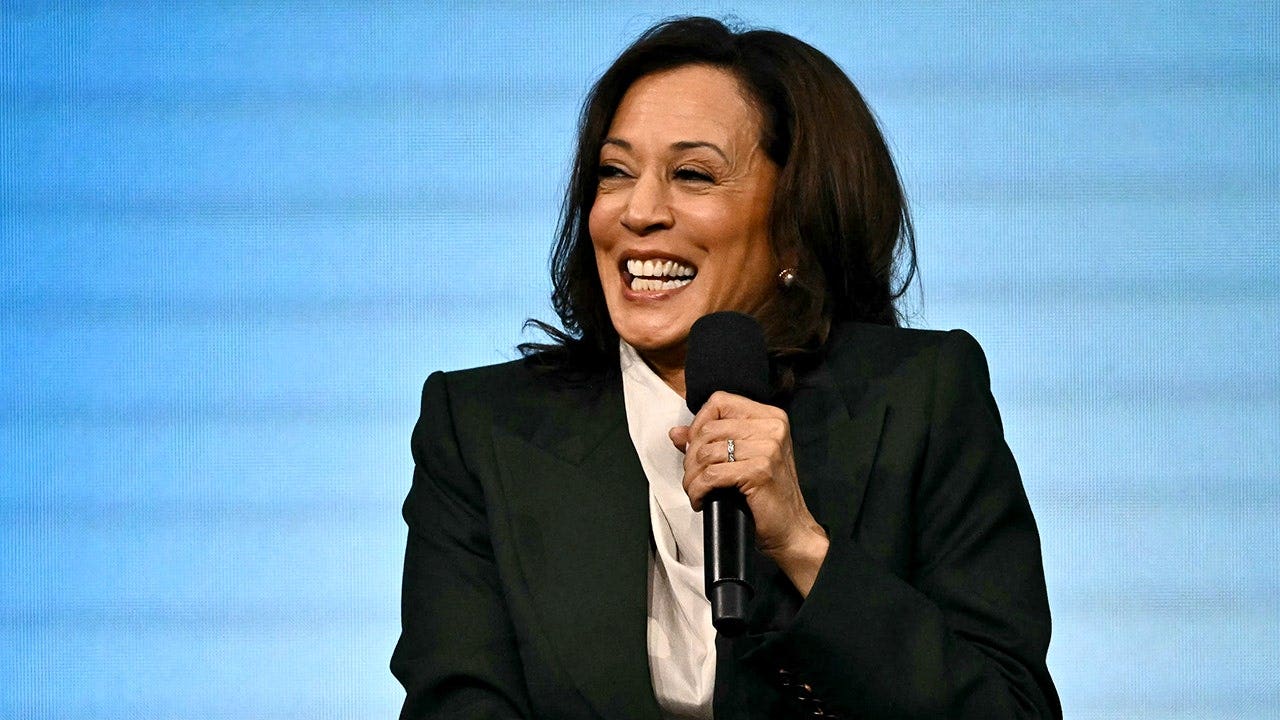
Former Vice President Kamala Harris found herself at the center of a social media firestorm this week following a high-profile appearance in Detroit, Michigan. While the event was intended to bolster Democratic unity and re-engage Black voters ahead of the 2026 midterm elections, the public conversation quickly shifted away from her policy message. Instead, observers and critics focused on Harris’s vocal delivery, alleging that she adopted a different accent specifically for the Detroit audience.
What happened
The controversy began during Harris’s remarks at an NAACP event, where she spoke to a crowd about the necessity of political representation and the power of the vote. During her speech, she referenced the famous “folding chair” metaphor popularized by Shirley Chisholm, the first Black woman elected to the United States Congress. Harris told the audience that if they are not given a seat at the table, they must bring their own chair to avoid being “on the menu.”
Almost immediately after clips of the speech were shared online, critics began pointing out what they described as a noticeable shift in her cadence and pronunciation. Social media users and conservative commentators labeled the performance as a “blaccent,” suggesting that the Former Vice President was intentionally altering her speech patterns to sound more like the local demographic. Video segments comparing the Detroit appearance to her standard speaking voice went viral, with many users characterizing the delivery as forced or “cringe-worthy.”
Context
This is not the first time a prominent politician has faced accusations of “code-switching” or using a “faux” accent while addressing specific communities. Within the same political sphere, figures such as Alexandria Ocasio-Cortez have faced similar scrutiny during rallies in the South. Critics often frame these instances as a form of political pandering—an attempt to appear more relatable to a specific group by mirroring their linguistic styles.
The timing of the Detroit event is also significant. With the 2026 midterm elections approaching, the Democratic Party is under pressure to solidify its base and ensure high turnout among Black voters, a demographic that has historically been a cornerstone of the party’s success. Furthermore, the intense scrutiny of Harris’s performance has fueled speculation among political analysts regarding her future ambitions. Several commentators suggested that the shift in tone and the high-energy rally circuit indicate that Harris is already laying the groundwork for a potential presidential run in 2028.
Why it matters
The backlash highlights a recurring challenge for modern politicians: the balance between cultural relatability and perceived authenticity. In an era dominated by social media, every public utterance is recorded and compared against a politician’s entire history of public speaking. For Harris, the accusations of using a “fake accent” serve as a distraction from her legislative and community goals, allowing opponents to question her sincerity.
Moreover, the controversy underscores the deep polarization of political discourse. While supporters might view such shifts in delivery as a natural way to connect with a specific audience, detractors see it as a calculated and performative tactic. As the 2026 midterms draw closer, the ability of candidates to communicate effectively without triggering “authenticity” scandals will likely remain a critical factor in their success. For Harris, navigating these perceptions will be essential if she intends to maintain her influence within the party and lead future national campaigns.