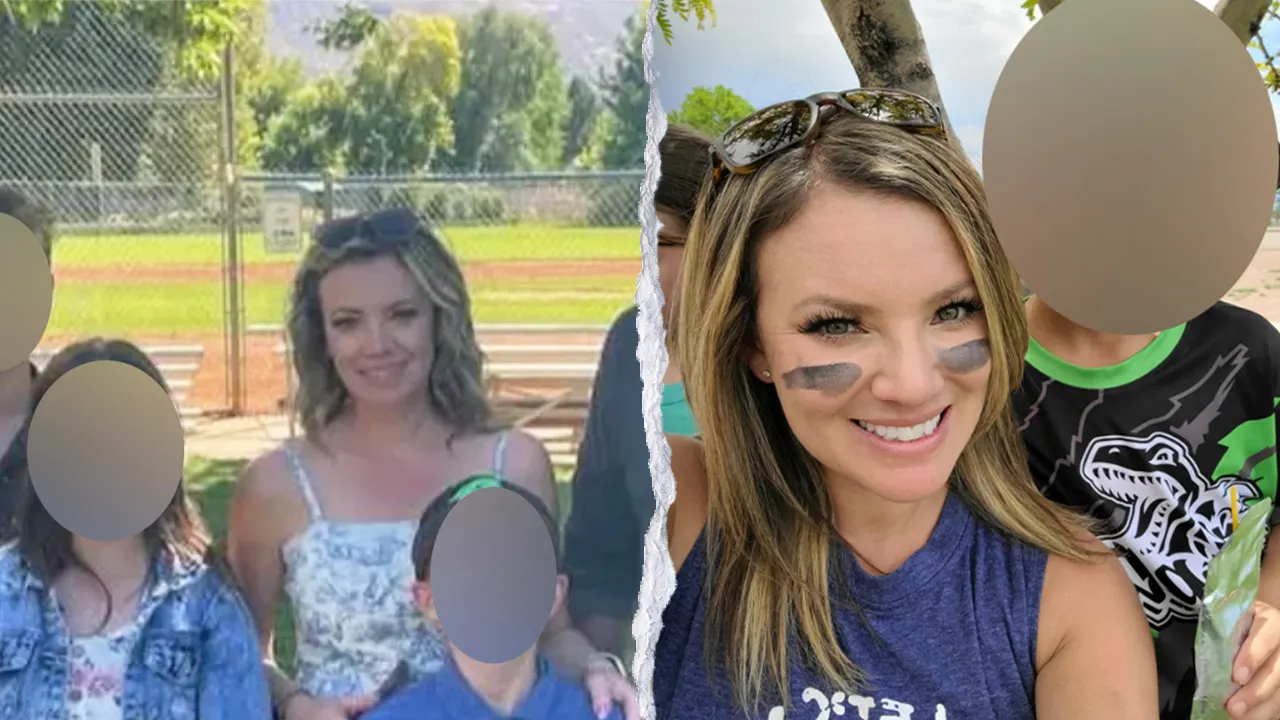
A routine family outing at Cheney Lake turned into a harrowing medical crisis for a Kansas mother of four. Britagne Miller, a resident of Goddard, is currently on the path to recovery after a suspected spider bite resulted in a month-long hospitalization, emergency surgery, and a brush with terminal illness. What began as a quiet evening outdoors quickly escalated into a life-threatening situation that baffled her family and required intensive medical intervention.
What happened
The incident took place on May 28 while Miller was enjoying a campfire with her husband and children. According to reports, Miller noticed several spiders crawling on her during the evening. While she initially believed she had been bitten, the severity of the situation did not become apparent until four days later. At that point, a bite mark on her calf began to exhibit extreme swelling and localized distress.
Miller described the sensation as an intense, radiating pain that traveled from her lower leg down into her foot, likening the feeling to being repeatedly stabbed. By June 4, the progression of the injury forced her to seek emergency care at Wesley Hospital in Wichita. Upon her arrival, medical professionals determined that her condition was critical, necessitating immediate surgery to address the damaged tissue and spreading infection.
Context
Miller’s recovery was significantly hampered by a series of pre-existing health challenges. Her medical history included liver complications and blood-clotting disorders, which made the treatment of the bite-induced infections exceptionally difficult. Furthermore, allergies to various medications limited the options doctors had for managing her symptoms and the secondary infections that developed during her stay.
The situation grew so dire that at one point, physicians diagnosed Miller with end-stage liver failure. Her family was cautioned that the combination of the infection and her underlying conditions could prove fatal. Faced with the choice of entering hospice care or continuing aggressive treatment, Miller chose to keep fighting. She spent a significant portion of her stay in the intensive care unit (ICU), a period of time she later admitted she has very little memory of due to the severity of her illness.
Why it matters
This case highlights the potentially volatile nature of insect and arachnid bites, particularly for individuals with compromised immune systems or underlying chronic health conditions. While most spider bites result in minor localized irritation, Miller’s experience demonstrates how a singular event can trigger a systemic collapse when complicated by other medical factors.
Furthermore, the incident serves as a cautionary tale for outdoor enthusiasts. While Cheney Lake is a popular destination for families, the presence of indigenous spiders can pose risks that go beyond simple discomfort. Medical experts often advise that any bite resulting in rapid swelling, radiating pain, or signs of infection should be evaluated by a professional immediately to prevent the onset of sepsis or tissue necrosis.
After more than five weeks in the hospital, Miller was finally discharged on July 11. Though she is now back at home with her four children, her journey to full health continues as she manages the lingering effects of the infections and her complex medical needs. Her survival is being viewed by her family and community as a remarkable testament to her resilience and the persistence of her medical team.