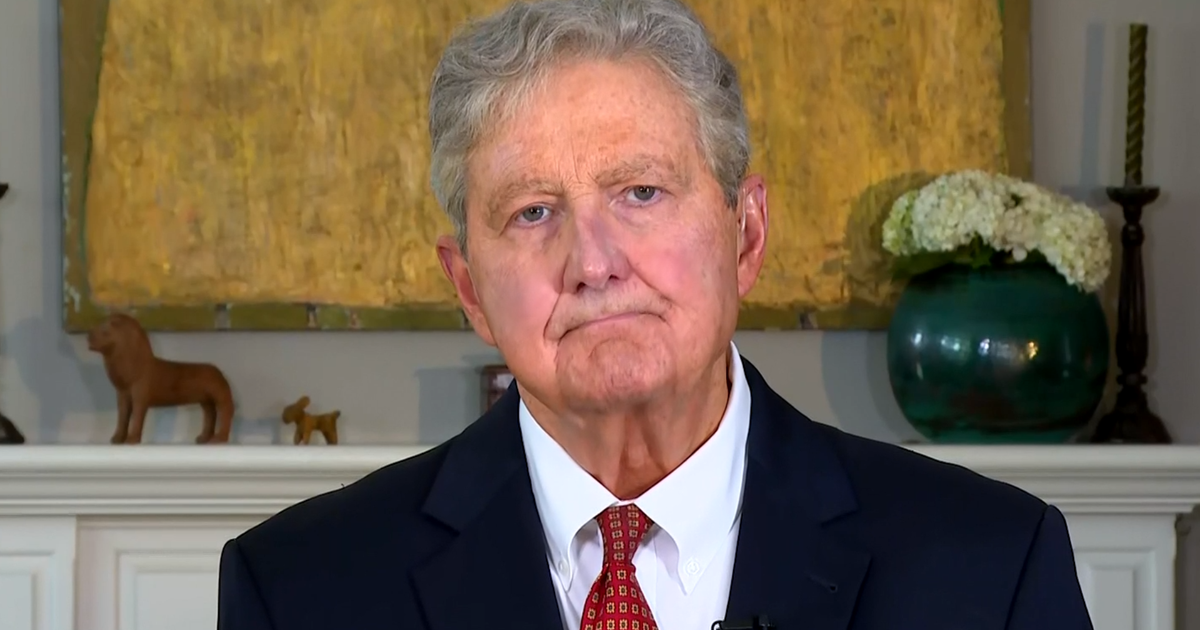
Senator John Kennedy is sounding the alarm for the Republican party as the 2026 midterm elections approach. In a recent appearance on “Face the Nation,” the Louisiana lawmaker emphasized that the GOP’s success hinges on addressing the financial anxieties of American families and providing a transparent roadmap for the ongoing military involvement in Iran. With the election cycle entering its final stages, Kennedy’s remarks underscore a growing concern within the party that domestic economic struggles and foreign entanglements could sway voters in what is expected to be a razor-thin contest for control of Congress.
What happened
During his interview, Senator Kennedy urged President Trump to pivot his messaging toward the rising cost of living, which he identified as the primary concern for voters. Kennedy argued that “moms and dads” across the country are losing sleep over their inability to keep up with inflation and daily expenses. While he noted that the president does not always take his advice, Kennedy insisted that staying focused on affordability is essential for a Republican victory in November.
In addition to economic concerns, Kennedy called for greater transparency regarding the war in Iran. He suggested that the President, or top officials like Secretary of State Marco Rubio and General Dan Caine, should deliver a nationwide address to explain the objectives of the conflict, the current progress, and the eventual exit strategy. Furthermore, the Senator took a firm stance against the use of taxpayer dollars for government-funded advertisements that prominently feature elected officials. He criticized a new campaign promoting the president, asserting that public money should never be used for what he characterized as private self-promotion.
Context
Kennedy’s comments come at a volatile time for the administration. The conflict in Iran has reached a critical juncture, with a blockade of the Strait of Hormuz causing a significant spike in global oil prices. Because oil is a foundational component of the broader economy, these energy costs have trickled down into the price of nearly all consumer goods, exacerbating the inflation that Kennedy believes will define the midterms.
The political landscape is also shifting. Several Republican candidates in competitive districts have recently distanced themselves from the administration’s foreign policy, calling for a swift resolution to the war to alleviate the pressure on gas and diesel prices. Kennedy himself remains supportive of the military’s current stance—including sanctions and blockades—but he acknowledged that the economic “pain” caused by the partial closure of the Strait is unsustainable.
The issue of government-funded advertising is also a lingering point of contention. Earlier this year, Kennedy was a vocal critic of former Homeland Security Secretary Kristi Noem, who spent hundreds of millions in public funds on an immigration-related ad campaign that featured her image. The Senator’s recent comments indicate that he views the new ads featuring President Trump as a continuation of an inappropriate trend.
Why it matters
The intersection of foreign policy and domestic affordability is likely to be the deciding factor in the 2026 midterms. Kennedy’s insistence on a “straight up” conversation about Iran suggests that the GOP is worried about a lack of clarity surrounding the war’s purpose and duration. If the administration cannot convince the public that the conflict is necessary and being managed effectively, the resulting economic fallout could lead to significant losses at the ballot box.
Furthermore, Kennedy’s critique of taxpayer-funded “private ads” touches on a broader debate regarding government ethics and the fair use of public resources. By calling out members of his own party, Kennedy is positioning himself as a proponent of fiscal accountability, even when it means challenging the White House. As the election nears, the pressure on the administration to stabilize energy prices and justify its international strategy will only intensify, with the balance of power in Washington hanging in the balance.