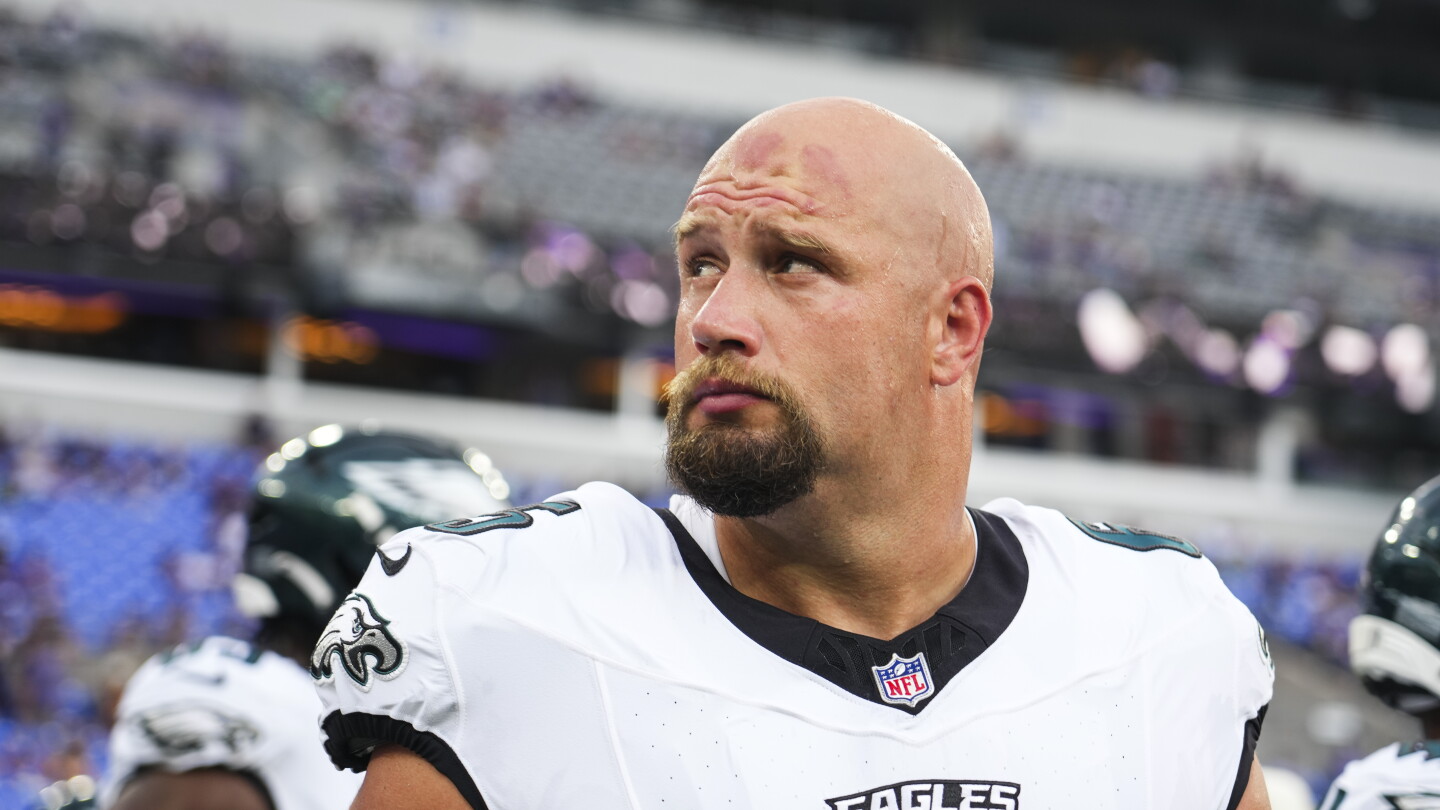
The Philadelphia Eagles are facing an unexpected transition on their offensive line following the sudden retirement of veteran right tackle Lane Johnson. While the perennial Pro Bowler had previously suggested he might play through the 2026 season, his decision to step away from the game just three weeks into the current campaign has left the franchise navigating a complex financial landscape.
What happened
Johnson’s departure comes as a surprise to the league, particularly given his status as one of the premier offensive linemen in football. Having initially signaled that his career would conclude in a few years, the star tackle decided that his time on the field has reached its end immediately. While every player has the right to walk away when they feel the time is right, the timing of this announcement creates significant accounting hurdles for the Eagles’ front office. Because the retirement occurred so early in the season, it triggers a series of salary cap consequences that could hamper the team’s flexibility in the coming years.
Context
The financial ramifications center largely on “dead money”—the salary cap charges associated with players who are no longer on the active roster. Under standard NFL rules, if a retirement is processed mid-season, the remaining accelerated cap hits often land heavily on the following year’s budget. In this instance, the Eagles could be looking at a massive dead-money hit in 2027.
Furthermore, the organization now faces a delicate choice regarding Johnson’s previous earnings. The team has the legal prerogative to seek reimbursement for certain bonuses, including unallocated signing bonus money and a portion of a $21.7 million option bonus that was only partially paid out. While teams like the Detroit Lions have historically pursued such repayments from legends like Barry Sanders and Calvin Johnson, doing so often damages the relationship between the franchise and the player. The Eagles must decide if recovering several million dollars is worth potentially alienating a future first-ballot Hall of Famer who has been a cornerstone of their culture.
Why it matters
This situation is a high-stakes case study in NFL roster management. Beyond the loss of an elite protector for quarterback Jalen Hurts, the “cap mess” predicted for 2027 could limit the team’s ability to sign free agents or retain young talent. To mitigate this, the Eagles’ front office is likely exploring creative solutions to spread out the financial burden.
One potential strategy involves a “finesse” of the retirement paperwork. By potentially placing Johnson on the non-football injury (NFI) list for the duration of the current season and delaying his official retirement filing until after June 1, 2027, the Eagles could push the bulk of the cap charges into 2028. This would provide the team with much-needed breathing room. The fact that the Eagles have not yet made a formal roster move suggests that General Manager Howie Roseman is carefully crafting a strategy that balances fiscal responsibility with the respect owed to a franchise icon. How they handle these next few weeks will dictate the team’s spending power for years to come.