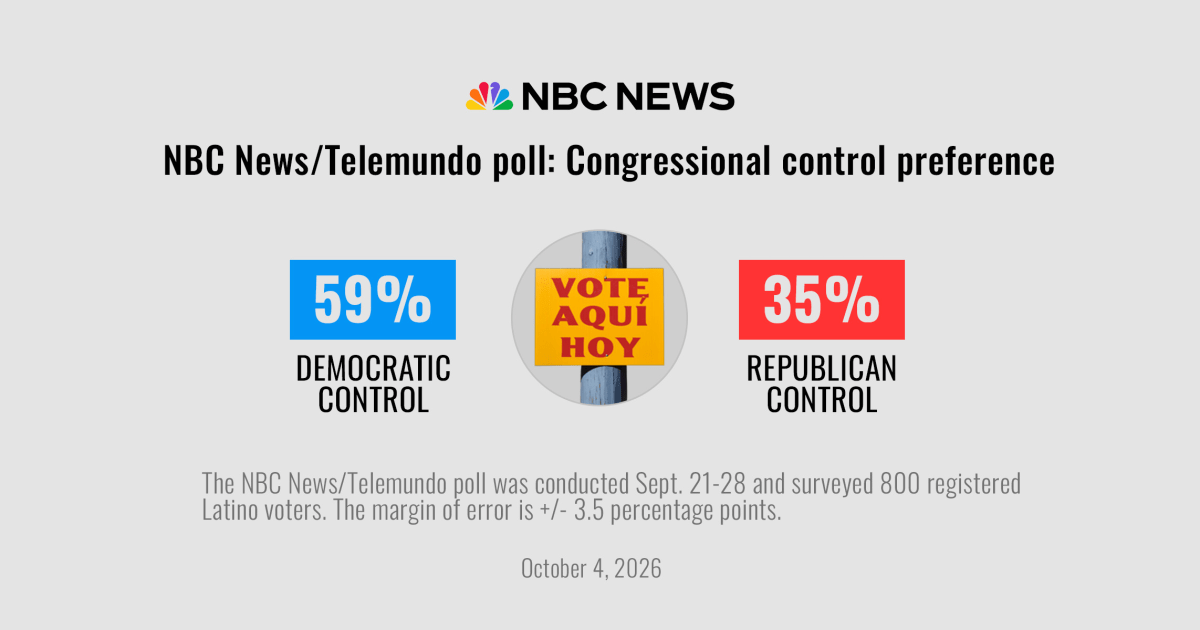
Recent polling data suggests a dramatic shift in the political landscape for one of America’s most influential voting blocs. While Latino voters played a pivotal role in returning Donald Trump to the White House, a new NBC News/Telemundo survey indicates that this support is rapidly eroding. This reversal presents a significant opening for the Democratic Party as the country looks toward the 2026 midterm elections, which will likely be decided in states and districts with high Latino populations.
What happened
The latest findings reveal a stark decline in President Trump’s standing among Latino voters, with his approval rating currently sitting at just 27%. The data highlights a widespread dissatisfaction with the administration’s core policies. Approximately three-quarters of those surveyed disapprove of the president’s management of the economy and the rising cost of living. Furthermore, two-thirds of Latino voters believe the administration’s deportation strategies have been excessively harsh.
This discontent is translating into a resurgence of support for the Democratic Party. Currently, Democrats hold a 24-point lead (59% to 35%) when Latino voters are asked which party they want to see in control of Congress. This lead is double what it was at this stage in the 2024 election cycle. Perhaps most tellingly, the Democratic advantage on economic issues has surged; while Trump held a narrow lead on the economy two years ago, Democrats now enjoy a 21-point advantage on that specific issue.
Context
The Republican Party has historically viewed recent gains among Latino voters as a cornerstone of its long-term strategy to maintain a House majority. In states like Texas and Florida, the GOP specifically drew new districts with large Latino populations, banking on the conservative shift seen in 2024. However, pollsters suggest that the 2024 results may have been an “outlier” rather than a permanent realignment.
Experts note that Latino voters remain one of the most volatile “swing” groups in the American electorate. Their current frustration is rooted in the same “kitchen table” issues affecting the broader public: high prices and the cost of daily life. While Trump’s strongest metric among this group is border security, even that issue sees a majority (58%) expressing disapproval of his handling. The negative perception of the Republican Party among Latinos has reached its highest level since 2016, signaling that the GOP’s recent inroads may be temporary.
Why it matters
The shifting allegiances of Latino voters could fundamentally alter the trajectory of the 2026 midterm elections. Competitive races in Nevada, Arizona, and even traditional GOP strongholds like Texas and Florida could become far more difficult for Republican candidates if this trend continues. If the GOP cannot retain the Latino support that helped them in 2024, their hold on the House of Representatives could be in serious jeopardy.
However, the news is not an unqualified victory for Democrats. The poll indicates that the shift is driven more by a rejection of President Trump’s policies than by a newfound enthusiasm for the Democratic platform. Favorability ratings for the Democratic Party have not significantly improved over the last two years, suggesting that their current lead is fragile. For Democrats to capitalize on this “stunning” reversal, they will need to move beyond being the party of opposition and present a compelling economic vision that resonates with a demographic that remains highly sensitive to cost-of-living fluctuations.