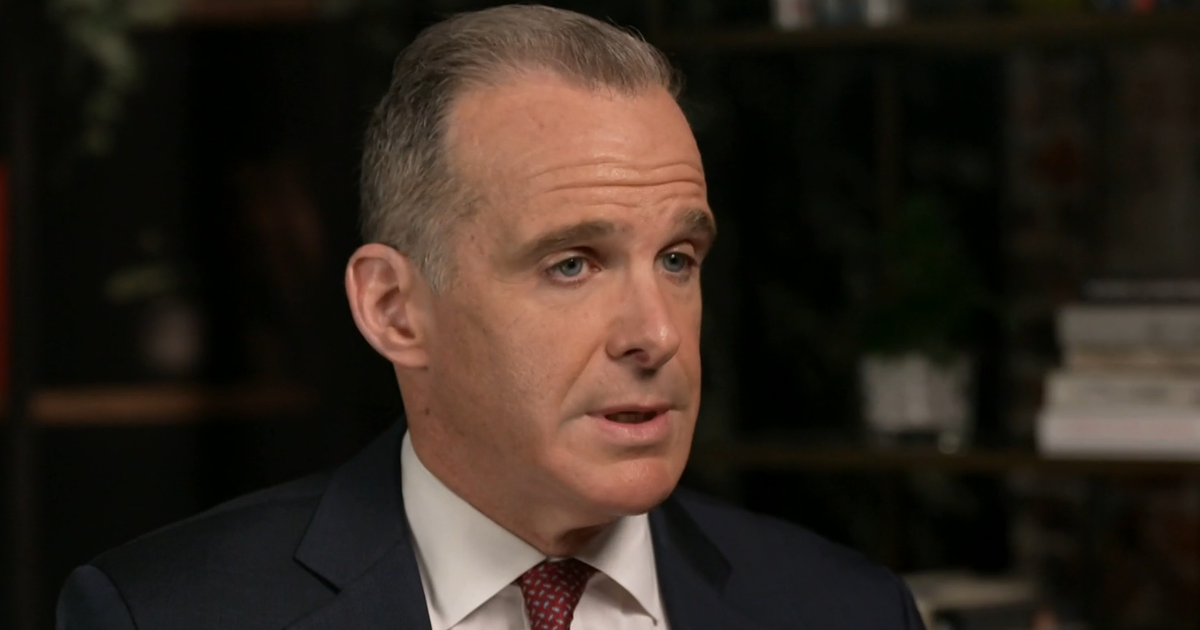
A new account from one of the most influential Middle East advisers in the Biden administration reveals just how close the United States came to a historic rupture with Israel. Brett McGurk, who served as the White House National Security Council’s coordinator for the Middle East and North Africa, recently detailed a moment of extreme friction where President Biden nearly suspended weapons shipments to Israel following the deaths of several humanitarian workers in Gaza.
What happened
According to McGurk, the relationship between President Biden and Prime Minister Benjamin Netanyahu reached a breaking point in April 2024. Following an Israeli drone strike that killed seven World Central Kitchen aid workers, Biden was reportedly “fed up” with the conduct of the war. McGurk, speaking about his upcoming memoir “Brink,” noted that “draconian measures” against Israel—including a full cutoff of offensive military aid—were actively being considered by the White House.
The tension culminated in a blunt exchange between the two leaders. McGurk recounts Biden telling Netanyahu, “You think I’m Santa Claus? No Santa in Israel, pal,” as a warning that the supply of American munitions was not infinite or guaranteed.
However, the planned shift in policy was abruptly halted by intelligence reports. U.S. officials discovered that Iran was preparing a massive, direct aerial bombardment of Israel. On April 13, Iran launched an unprecedented barrage of 120 ballistic missiles and hundreds of drones. McGurk explains that this imminent threat forced the Biden administration to pivot from pressuring the Netanyahu government to deploying U.S. military assets to defend Israeli airspace alongside Arab and European partners.
Context
The Biden administration’s handling of the conflict in Gaza has been a source of intense debate within the Democratic Party. While the U.S. remains Israel’s primary weapons supplier, providing billions in annual aid, critics like Senator Chris Van Hollen have argued that the administration failed to use its leverage effectively. A 2023 State Department review even suggested it was “reasonable to assess” that U.S. weapons had been used by the Israel Defense Forces in ways that did not align with international humanitarian law.
McGurk himself has faced criticism from those who believe the administration should have been firmer. In his defense, he noted that while the U.S. did pause the delivery of 2,000-pound bombs, a total weapons embargo might not have achieved the desired results. He pointed out that Israel possesses one of the most robust domestic arms industries in the world, suggesting that the war would likely have continued regardless of a U.S. halt.
Why it matters
These revelations underscore the delicate balancing act the U.S. performs in the Middle East. The administration sought to balance humanitarian concerns and domestic political pressure with the strategic necessity of defending an ally against regional adversaries like Iran.
The accounts also highlight the “what if” nature of modern diplomacy. Had the Iranian attack not occurred, the U.S.-Israel relationship might have entered an era of unprecedented restriction. Instead, the threat of a wider regional war essentially locked the two nations back into a defensive partnership. As the conflict continues, the internal mechanics described by McGurk offer a rare look at how volatile the alliance became behind closed doors, even as it appeared steadfast on the global stage.