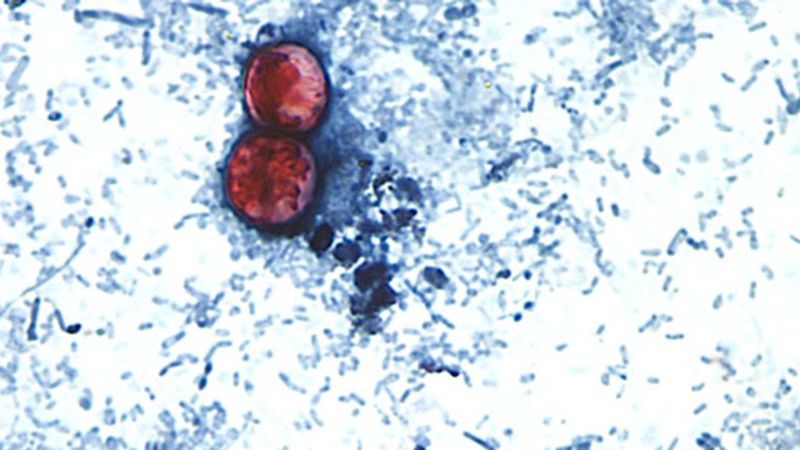
The current surge of cyclosporiasis in the United States has taken a somber turn. Health officials in Michigan confirmed on Monday that two residents have died in connection with the parasitic outbreak, marking the first recorded fatalities in this ongoing national event. While the infection is typically regarded as a non-life-threatening illness, these recent developments highlight the severe risks posed to vulnerable populations and the massive scale of the current public health challenge.
What happened
The Michigan Department of Health and Human Services (MDHHS) announced that the two deceased individuals both suffered from significant underlying health conditions. Officials noted that these pre-existing medical issues were likely exacerbated by the parasitic infection and the resulting dehydration. In accordance with privacy protocols, state authorities have declined to provide further identifying details regarding the patients.
Historically, cyclosporiasis is known for causing debilitating gastrointestinal distress, but deaths are exceptionally rare. However, the sheer volume of cases in Michigan—now exceeding 11,000—has increased the statistical likelihood of severe outcomes. Out of those thousands of cases, nearly 200 people have required hospitalization to manage their symptoms. The Centers for Disease Control and Prevention (CDC) has confirmed it is monitoring the situation in Michigan as part of its broader investigation into the multistate outbreak.
Context
Cyclosporiasis is caused by Cyclospora cayetanensis, a microscopic parasite that enters the body through the consumption of contaminated fresh produce or water. Once ingested, the parasite attacks the intestinal tract, leading to symptoms such as frequent diarrhea, fatigue, and severe stomach cramps. While some individuals may recover without medical intervention, the infection can persist for weeks or even months if left untreated, frequently leading to dangerous levels of dehydration.
Public health data shows that Cyclospora infections typically peak during the warmer months, specifically between May and August. However, the current season has proven to be particularly aggressive. Nationally, the CDC has identified more than 18,000 domestic cases, with a significant cluster located in the Midwest. The U.S. Food and Drug Administration (FDA) is currently working alongside state partners to trace the origins of these infections. A primary point of concern has been a recall involving iceberg lettuce supplied by Taylor Farms, though officials believe much of the contaminated product may have already been consumed or removed from retail shelves.
Why it matters
The reports of fatalities transform the current outbreak from a significant public health nuisance into a critical safety concern. For the general population, the risk of death remains low, but for the elderly or those with compromised immune systems, the parasite represents a major threat. These deaths serve as a stark reminder that the secondary effects of the infection—specifically the inability to maintain hydration—can be just as dangerous as the parasite itself.
Furthermore, the scale of this year’s outbreak raises questions regarding the safety and monitoring of the fresh produce supply chain. With over 18,000 cases reported across the country, the burden on the healthcare system is substantial. Medical professionals are urging the public to seek care if they experience prolonged gastrointestinal symptoms, especially during the peak summer months. As investigators continue to look for additional sources of contamination, the focus remains on preventing further spread and protecting those most at risk for severe complications.