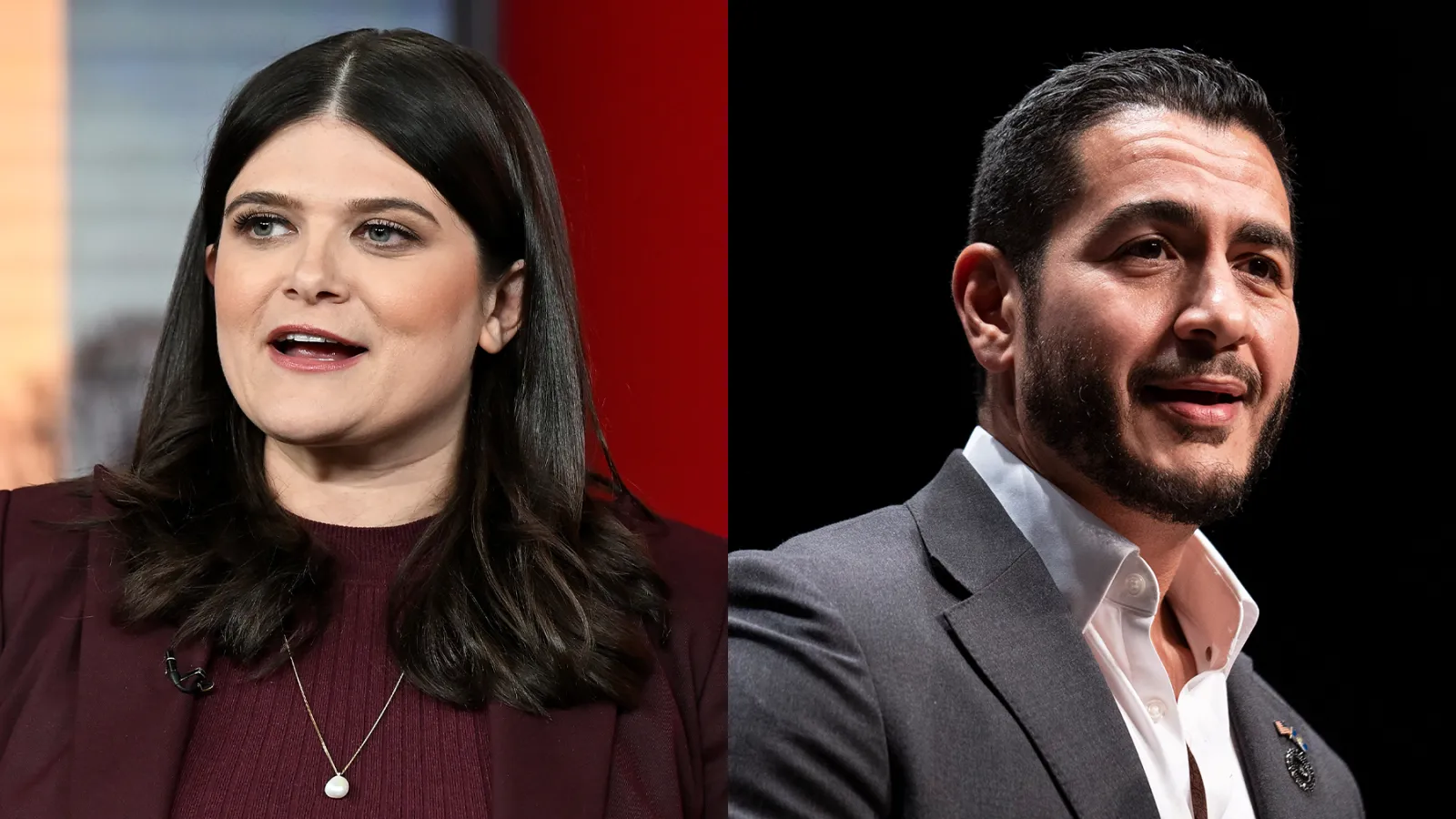
The Michigan Democratic Senate primary has transformed into a high-stakes referendum on the party’s future identity. Abdul El-Sayed, a progressive physician who previously failed to capture the governorship in 2018, currently holds a double-digit lead over Representative Haley Stevens. Despite a massive financial disadvantage and a lack of institutional backing, El-Sayed’s message appears to be resonating with an electorate that has shifted significantly since his last statewide attempt.
What happened
As the primary election nears, polling data suggests a surprising shift in Michigan’s political landscape. Abdul El-Sayed is leading Haley Stevens by 10 points, a stark reversal from his 22-point loss to Gretchen Whitmer in the 2018 gubernatorial race. This lead is particularly notable because El-Sayed has been outspent by a staggering ratio of 12-to-1. Stevens, a sitting Congresswoman with the full weight of the Democratic establishment—including endorsements from Governor Whitmer, Senator Gary Peters, and Senate Majority Leader Chuck Schumer—has struggled to convert her institutional support into a polling lead.
During the final debate of the race, Stevens attempted to frame El-Sayed as a “celebrity” figure, pointing to his books and media presence as evidence that he might lack the focus required for the “unglamorous work” of the Senate. However, the traditional narrative of the “work horse” versus the “show horse” appears to be losing its efficacy. While Stevens has benefited from tens of millions of dollars in spending from AIPAC, El-Sayed has successfully used that support to paint her as a candidate beholden to special interests, turning her financial advantage into a political liability.
Context
The current race is an ideological rematch of the dynamics that defined the 2018 primary. Years ago, El-Sayed’s progressive platform, modeled after Bernie Sanders, failed to gain traction against an establishment that preferred the pragmatic approach of Gretchen Whitmer. At that time, the Michigan electorate seemed largely indifferent to critiques of corporate influence and campaign finance. By 2026, however, the political environment has been fundamentally altered.
A significant shift occurred following the 2022 primary, where Stevens defeated fellow incumbent Andy Levin. In that contest, heavy spending by outside groups was a decisive factor in Stevens’ victory. However, the political climate in Michigan has since been reshaped by the humanitarian crisis in Gaza and a growing movement within the state to change the party’s direction. Many activists and former officials note that the issues that once served as a political life preserver for establishment candidates are now acting as an anchor in a changing sea of voter sentiment.
Why it matters
This primary serves as a critical bellwether for the national Democratic Party. If El-Sayed maintains his lead, he would not only become the first Muslim ever elected to the United States Senate, but he would also prove that a progressive platform can overcome massive spending by traditional political action committees. For decades, Michigan has been a stronghold for predictable, centrist Democratic senators. A victory for El-Sayed would signal that the power of establishment endorsements is waning in the face of grassroots mobilization.
Furthermore, the race highlights a deepening rift within the party regarding foreign policy and the influence of lobbyists. El-Sayed’s ability to lead while being vastly outspent suggests that the traditional “playbook” of American politics—where massive ad buys and high-profile endorsements guarantee victory—may be broken. As the Democratic Party look toward the future, the outcome in Michigan will determine whether the party’s path lies in progressive populism or continued alignment with the established political order.