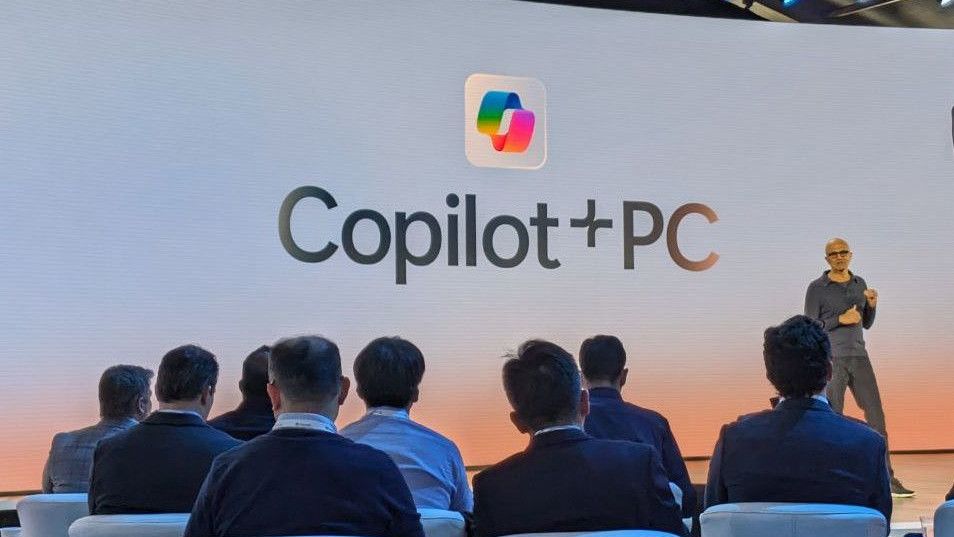
Microsoft is making a significant pivot in its marketing strategy regarding the latest generation of Windows hardware. Just months after heavily promoting “Copilot+ PCs” as the new gold standard for AI-integrated computing, the company and its manufacturing partners are reportedly distancing themselves from the branding. While the hardware capabilities and specialized software features remain intact, the specific “Copilot+ PC” moniker is being phased out for new flagship devices.
What happened
In a recent interview, a Microsoft Surface Corporate Vice President (CVP) confirmed that the company’s newest Surface devices are no longer being officially labeled as Copilot+ PCs. This shift marks a surprising retreat from a brand identity that was meant to define the next decade of Windows computing. Despite the removal of the specific label, Microsoft clarified that these machines will continue to support the full suite of AI-driven features originally associated with the brand, including advanced image generation and live captions.
This move appears to be a “quiet” pullback rather than a formal announcement of the brand’s termination. Industry observers have noted that PC manufacturers are following suit, de-emphasizing the logo and terminology in their marketing materials. The underlying technology—specifically the high-performance Neural Processing Units (NPUs) required to run these features—remains a core part of the hardware, but the marketing wrapper is being discarded.
Context
The Copilot+ PC brand was launched in early 2024 through a strategic partnership between Microsoft and Qualcomm. It was designed to create a clear distinction between traditional laptops and a new class of “AI-first” machines. To qualify for the brand, a computer had to meet specific system requirements, including a dedicated NPU capable of at least 40 TOPS (trillions of operations per second), 16GB of RAM, and 256GB of SSD storage.
The initial launch was met with a mix of excitement and controversy. While the hardware performance was praised, the flagship software feature—a tool called Recall that takes snapshots of a user’s screen—faced immediate backlash over privacy and security concerns. This forced Microsoft to delay the feature and overhaul its security architecture. The resulting negative press likely “tarnished” the Copilot+ brand, making it a liability rather than a selling point for some consumers. Additionally, as Intel and AMD released their own AI-capable chips, the exclusivity of the brand became harder to maintain and explain to the general public.
Why it matters
The abandonment of the Copilot+ PC branding suggests a shift in how the industry views artificial intelligence in personal computing. Rather than treating AI as a separate category of hardware that requires its own sub-brand, Microsoft seems to be moving toward a model where AI is simply an integrated part of the standard Windows experience.
For consumers, this change may reduce confusion in the long run. The “Copilot+ PC” label was often criticized for being overly technical and difficult to distinguish from standard Windows 11 PCs. By focusing on the features themselves—such as Cocreator, Windows Studio Effects, and improved battery efficiency—rather than a specific brand name, Microsoft can market the benefits of the technology without the baggage of its early branding missteps.
Furthermore, this pivot reflects the rapid evolution of the AI hardware market. As high-performance NPUs become standard across all price points and manufacturers, a specific “AI PC” label becomes redundant. Microsoft’s decision indicates that the “AI-first” era of computing has arrived so quickly that the specialized branding meant to introduce it is already obsolete. The focus has moved from selling the idea of an AI computer to delivering the actual functionality within the existing Surface and Windows ecosystems.