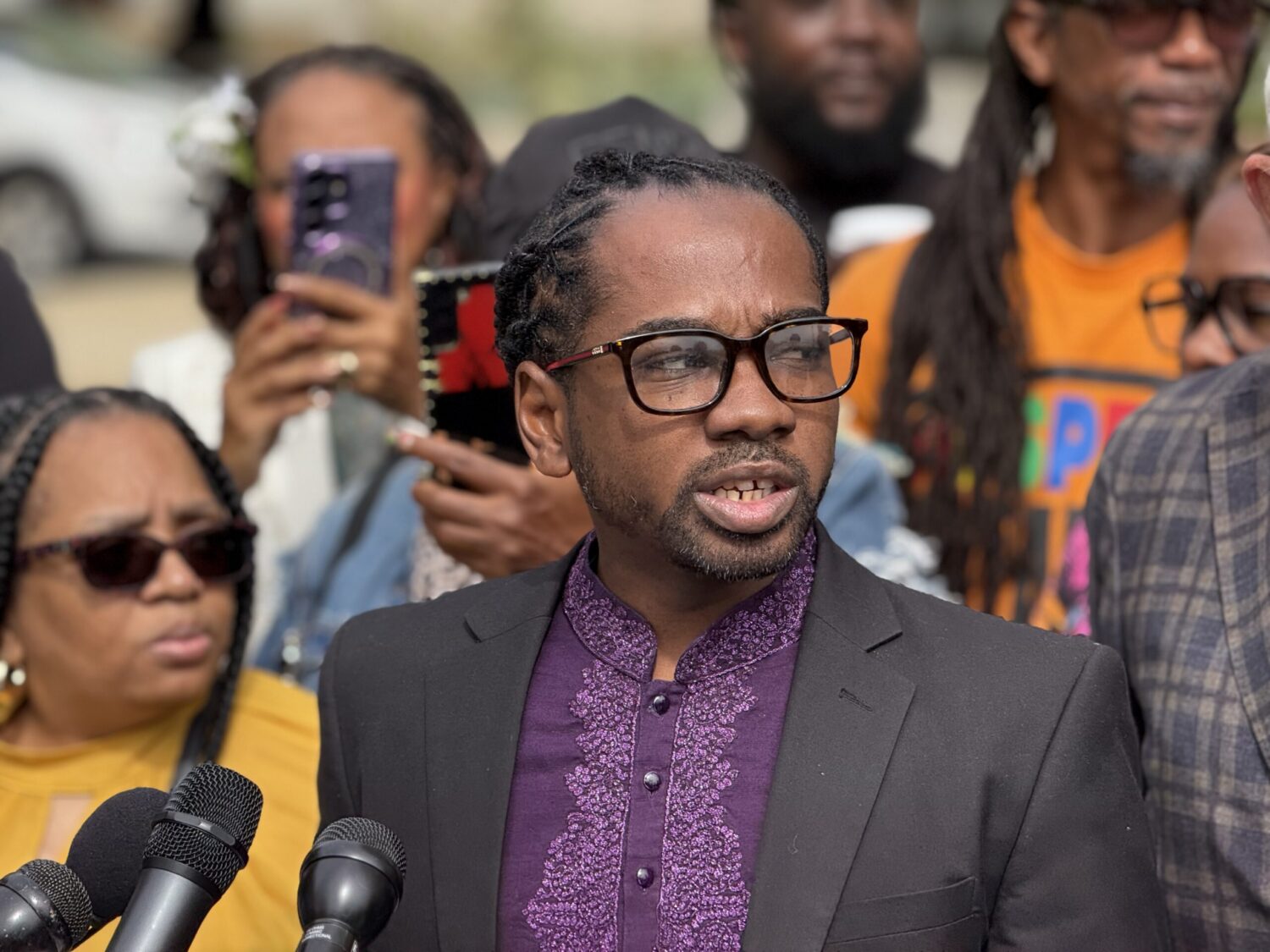
The federal bribery trial of District of Columbia Council member Trayon White has reached an inconclusive end, as a judge declared a mistrial on Monday morning. After three days of intense deliberations, the jury informed the court that they were unable to reach a unanimous verdict on the charges facing the Ward 8 representative. This development leaves the high-profile corruption case in a state of legal uncertainty, even as the council member prepares to return to his duties at the John A. Wilson Building.
What happened
U.S. District Judge Rudolph Contreras made the decision to dismiss the jury after it became clear that the group was deadlocked. The trial, which centered on allegations that White accepted significant cash payments in exchange for political influence, had reached a stalemate that prevented a final judgment. Throughout the proceedings, White’s defense team argued that the prosecution failed to provide sufficient evidence of a “quid pro quo” agreement, eventually filing a motion for acquittal before the mistrial was finalized.
Following the announcement, White addressed supporters and the media outside the courthouse. He described the moment as “sobering” and expressed gratitude toward his legal team and his faith. Despite the lack of an acquittal, White characterized the outcome as a personal victory, though he acknowledged that the government reserves the right to bring him back to court for a second trial.
The prosecution, led by U.S. Attorney Jeanine Pirro, was quick to signal that the case is far from over. Pirro released a statement emphasizing that the government remains confident in its evidence, which reportedly includes video footage showing the council member handling large sums of cash. She confirmed that the U.S. Attorney’s Office intends to retry the case to reach a definitive verdict.
Context
The bribery allegations against Trayon White have cast a long shadow over D.C. politics since they first surfaced. Prosecutors allege that White accepted approximately $156,000 in bribes, claiming the funds were intended to influence his legislative actions and oversight. The investigation involved the FBI and utilized video surveillance to track the alleged exchange of money.
The case has been complicated by White’s ongoing role in local government. In January 2025, while the federal accusations were still pending, he was sworn in for a new term on the D.C. Council by Democratic mayoral nominee Janeese Lewis George. While White continues to maintain his innocence and his focus on his constituents, the cloud of federal litigation has created a unique set of challenges for the representation of Ward 8 residents.
Why it matters
The mistrial has significant implications for both the legal standard of public corruption and the political climate in the District. While White remains free and active on the Council for now, the promise of a retrial means the legal process will continue to distract from the business of local governance. For the residents of Ward 8, the lack of a verdict results in continued uncertainty regarding the stability and integrity of their representation.
Furthermore, the case highlights a growing conversation about ethics and public trust within the D.C. Council. Fellow Council member Elissa Silverman noted that while the legal threshold for a conviction was not met in this instance, the “court of public opinion” remains a critical factor. She emphasized that the Council must work harder to restore the public’s confidence in its actions, regardless of the eventual legal outcome.
As the U.S. Attorney’s Office prepares for a second attempt at a conviction, the city remains divided. Supporters of White see the mistrial as a sign of a weak government case, while critics argue that the evidence presented—particularly the video footage—requires a clear resolution. For now, Trayon White returns to his office, but the “mighty work” he described on social media will be performed under the looming threat of a new trial date.