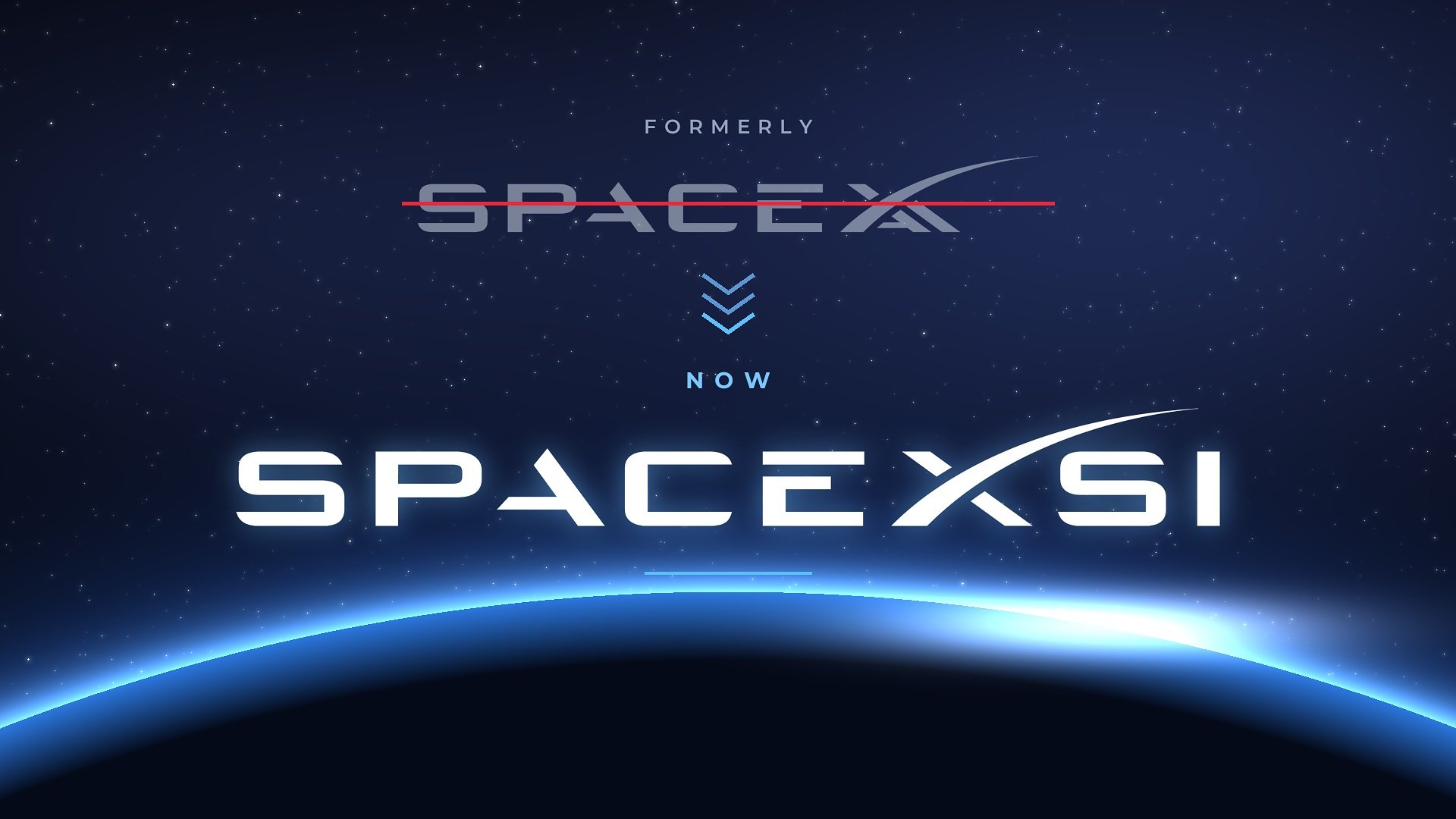
Elon Musk is steering SpaceX into a new era by adopting the moniker “SpaceXSI,” a move that reflects a fundamental shift in how the company views its computational capabilities. This transition follows a broader movement to replace the term “Artificial Intelligence” (AI) with “Super Intelligence” (SI), a change that aligns with recent political directives and the increasing complexity of Musk’s multi-company technological ecosystem. By declaring that SpaceX is now a “Super Intelligence company,” Musk is signaling that the firm’s future is as much about advanced digital cognition as it is about aerospace engineering.
What happened
Musk recently confirmed his willingness to rebrand SpaceX’s AI-focused initiatives under the new title of SpaceXSI. This development coincides with reports that the company is deepening its operational ties with Tesla through a massive joint venture known as “Terafab.” This collaborative project is designed to scale manufacturing and computing power to unprecedented levels. To support this ambitious growth, Musk is reportedly seeking to involve the Taiwan Semiconductor Manufacturing Company (TSMC), the world’s leading chipmaker, to provide the high-end hardware necessary for these super-intelligent systems.
The pivot to “SI” is not merely cosmetic. Musk has explicitly stated that the scale and scope of SpaceX’s internal data processing and autonomous systems have reached a level where the traditional AI label no longer suffices. By rebranding to SpaceXSI, the company intends to distinguish its pursuits from standard machine learning, positioning itself as a leader in the development of recursive, highly advanced intelligence that can manage complex orbital logistics and planetary exploration.
Context
The timing of this rebrand is closely linked to shifts in the American political landscape. President Donald Trump recently announced the formation of a “Super Intelligence Force,” a new government initiative intended to prioritize the development of advanced computing and maintain a competitive edge over global rivals. Musk’s adoption of the “SI” terminology suggests a strategic alignment between his private enterprises and national policy, potentially smoothing the way for future government contracts and collaborative defense projects.
At the heart of this transition is the Terafab initiative. While SpaceX and Tesla have long shared engineering talent and materials science breakthroughs, Terafab represents a formalization of their hardware synergy. By attempting to bring TSMC into the fold, Musk is looking to secure a robust supply chain for the custom silicon required to run “Super Intelligence” models. This move reflects the reality that the next frontier of space exploration will be driven by the ability to process massive amounts of data in real-time, far beyond the reach of conventional human-piloted systems.
Why it matters
The transition from AI to SI marks a significant psychological and industrial shift. For the tech industry, it signals that the world’s most prominent innovator believes we have moved past the era of “narrow” AI into a phase where machines are capable of superhuman problem-solving. By framing SpaceX as a Super Intelligence company, Musk is challenging the market to view aerospace as a subsidiary of the broader race for advanced computation.
Furthermore, the integration of SpaceX, Tesla, and potentially TSMC through the Terafab project creates a vertically integrated powerhouse that could dominate both the automotive and space sectors. If Musk successfully pivots his companies toward a unified “Super Intelligence” framework, he effectively creates a monopoly on the infrastructure required for the next generation of autonomous technology. This not only has implications for investors and competitors but also for the global geopolitical balance, as the line between private corporate capability and national strategic interest continues to blur.