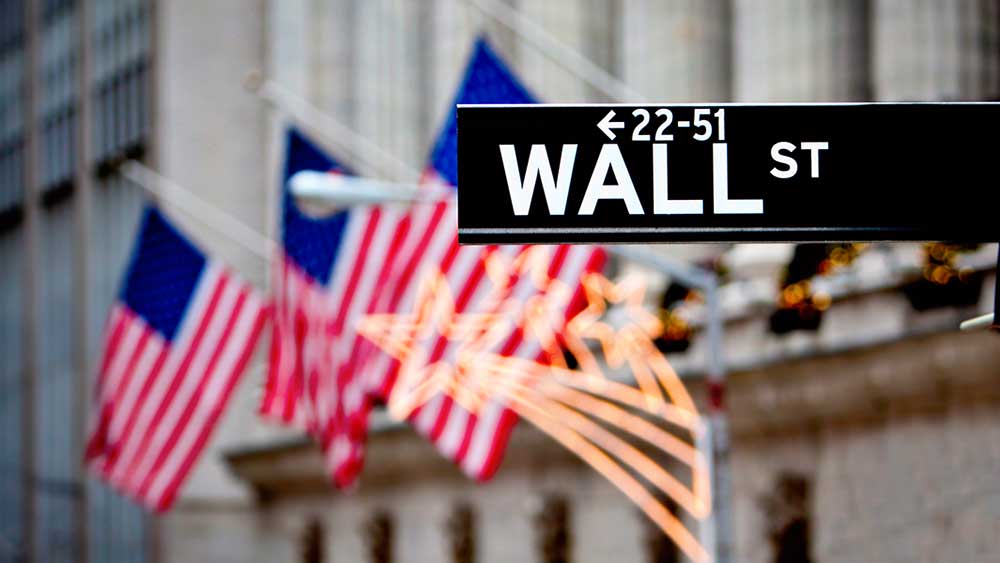
The tech-driven rally reached a significant new milestone as the Nasdaq composite surged to record heights on Monday. Despite lingering concerns over shifting economic data and rising interest rates, investors showed an intense appetite for high-growth stocks, particularly within the artificial intelligence and aerospace sectors. This momentum carried over into early Tuesday trading, with futures for the major indexes showing modest gains as the market prepares for a busy week of corporate developments.
What happened
On Monday, the Dow Jones Industrial Average added approximately 90 points, but the primary focus of the session was the record-breaking performance of the Nasdaq. The index climbed to its highest point in history, fueled by significant moves in the semiconductor industry. Industry leaders Nvidia and Taiwan Semiconductor Manufacturing (TSMC) were standout performers, with both stocks surpassing critical technical price levels that often signal continued upward momentum for institutional investors.
In addition to the semiconductor surge, companies led by Elon Musk experienced a notable rally. While Tesla remains a primary focus for retail and institutional portfolios, SpaceX also saw increased market attention. Furthermore, the defense technology sector received a major boost after Anduril, an AI-focused defense firm founded by Palmer Luckey, secured a massive $1.8 billion contract from the U.S. Army. This contract highlights the growing integration of autonomous systems and artificial intelligence within modern military infrastructure.
Context
The current market landscape is characterized by a “tug-of-war” between exceptional corporate performance and broader macroeconomic headwinds. Treasury yields have been on a steady climb recently; typically, rising yields put downward pressure on growth-oriented technology stocks because they increase the cost of capital and make future earnings less attractive. However, the current demand for AI infrastructure is currently outweighing these traditional valuation concerns.
Nvidia and TSMC are at the epicenter of this technological shift. As the primary manufacturer of Nvidia’s advanced chips, TSMC’s performance is often viewed as a bellwether for the global tech supply chain. The fact that both stocks are moving in tandem suggests that the global appetite for the hardware required to run large language models remains insatiable. Meanwhile, the $1.8 billion Army contract awarded to Anduril underscores a broader shift in government spending toward software-defined and AI-driven defense solutions, further validating the investment thesis for the sector.
Why it matters
This recent price action is significant because it demonstrates the market’s ability to “climb a wall of worry.” Even as the Federal Reserve’s future path regarding interest rates remains a topic of debate, the fundamentals of the tech sector appear strong enough to sustain a record-breaking pace. The resilience of the Nasdaq suggests that investors are prioritizing secular growth trends—like the AI revolution—over short-term fluctuations in bond markets.
The rally in SpaceX and Tesla also points to a renewed “Musk premium,” where the billionaire’s various ventures benefit from shared optimistic sentiment regarding American manufacturing and innovation. Furthermore, the success of defense-tech firms like Anduril indicates that the AI boom is not limited to consumer software or cloud computing; it is fundamentally altering industrial and national security landscapes. For investors, the breakout of semiconductor giants past their technical resistance levels suggests that the leadership of the current bull market remains firmly in the hands of the technology sector. As futures trade slightly higher ahead of the next opening bell, the focus remains on whether these gains can be sustained in the face of persistent inflation and fluctuating bond yields.