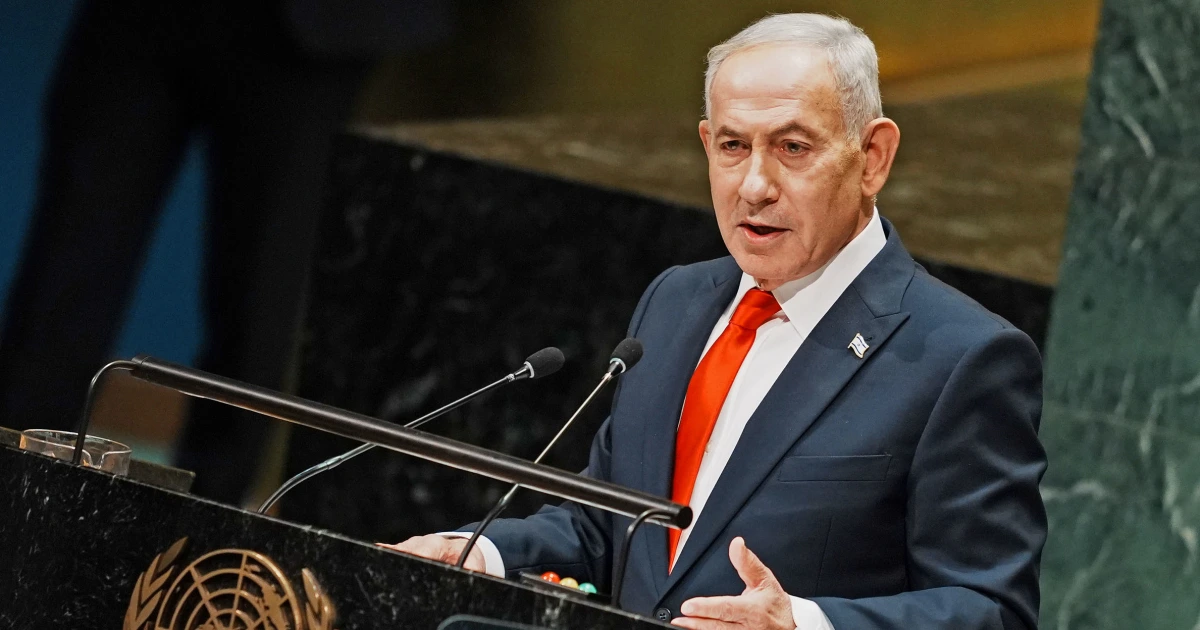
Israeli Prime Minister Benjamin Netanyahu’s address to the United Nations General Assembly on Thursday served as a vivid illustration of the deepening divide between his administration and the international community. Facing a hall filled with empty seats following a coordinated mass walkout by diplomats, the Prime Minister delivered a speech that was notably aimed at an audience far from New York: the Israeli voters who will decide his political fate in the upcoming elections.
What happened
As Netanyahu approached the lectern, the atmosphere in the General Assembly turned hostile. Hundreds of diplomats rose and exited the hall in a silent protest against Israel’s military operations in Gaza. Netanyahu met the exodus with a sharp rebuke, labeling those who left as “moral cowards.”
During his remarks, the Prime Minister focused heavily on the events of October 2023, recounting the Hamas-led attacks that claimed approximately 1,200 lives. He framed the ongoing military campaigns, including those targeting Iranian influence, as a matter of national survival, asserting that the state had no choice but to win to ensure its continued existence.
Politically, the speech struck a populist tone. Netanyahu extended public gratitude to former President Donald Trump for his support in what he described as a “battle against the barbarians.” He also directed personal attacks at local New York figures, specifically accusing official Zohran Mamdani of supporting Hamas and engaging in antisemitism. Furthermore, the Prime Minister used the global stage to criticize the governments of Qatar and Turkey, accusing them of fueling misinformation and hatred against Israel.
Context
The Prime Minister’s defiant stance comes at a time of unprecedented international pressure. While Netanyahu maintains that the military’s actions are necessary for defense, Palestinian health officials report that the death toll in Gaza has surpassed 75,000. This rising humanitarian cost has led to a significant shift in global sentiment and heightened legal scrutiny.
The backdrop of the speech is also heavily influenced by the International Criminal Court (ICC). Critics of the administration, including Mamdani, were quick to point out that Netanyahu remains the subject of an ICC arrest warrant. These allegations, which include war crimes and crimes against humanity, have cast a long shadow over Israel’s diplomatic efforts. Domestically, Netanyahu is fighting for his political life ahead of a crucial election next month, leading many analysts to believe his rhetoric was designed to project strength to a skeptical home front rather than to persuade the delegates in the room.
Why it matters
Netanyahu’s appearance at the UN highlights a growing strategic isolation. By choosing to confront his critics directly and prioritize domestic political messaging over traditional diplomacy, the Prime Minister risks further straining ties with regional mediators like Qatar and Turkey. These nations have historically played key roles in ceasefire negotiations and regional stability.
Moreover, the stark contrast between the Prime Minister’s rhetoric and the mass walkout by world diplomats suggests that the gap between Israel’s current leadership and the international community may be widening. As the conflict continues and the humanitarian crisis deepens, the ability of the Israeli government to maintain its global alliances while navigating domestic electoral pressures will be a defining factor in the region’s future. The speech signals that, for now, Netanyahu is doubling down on his military and political objectives, regardless of the dwindling audience on the world stage.