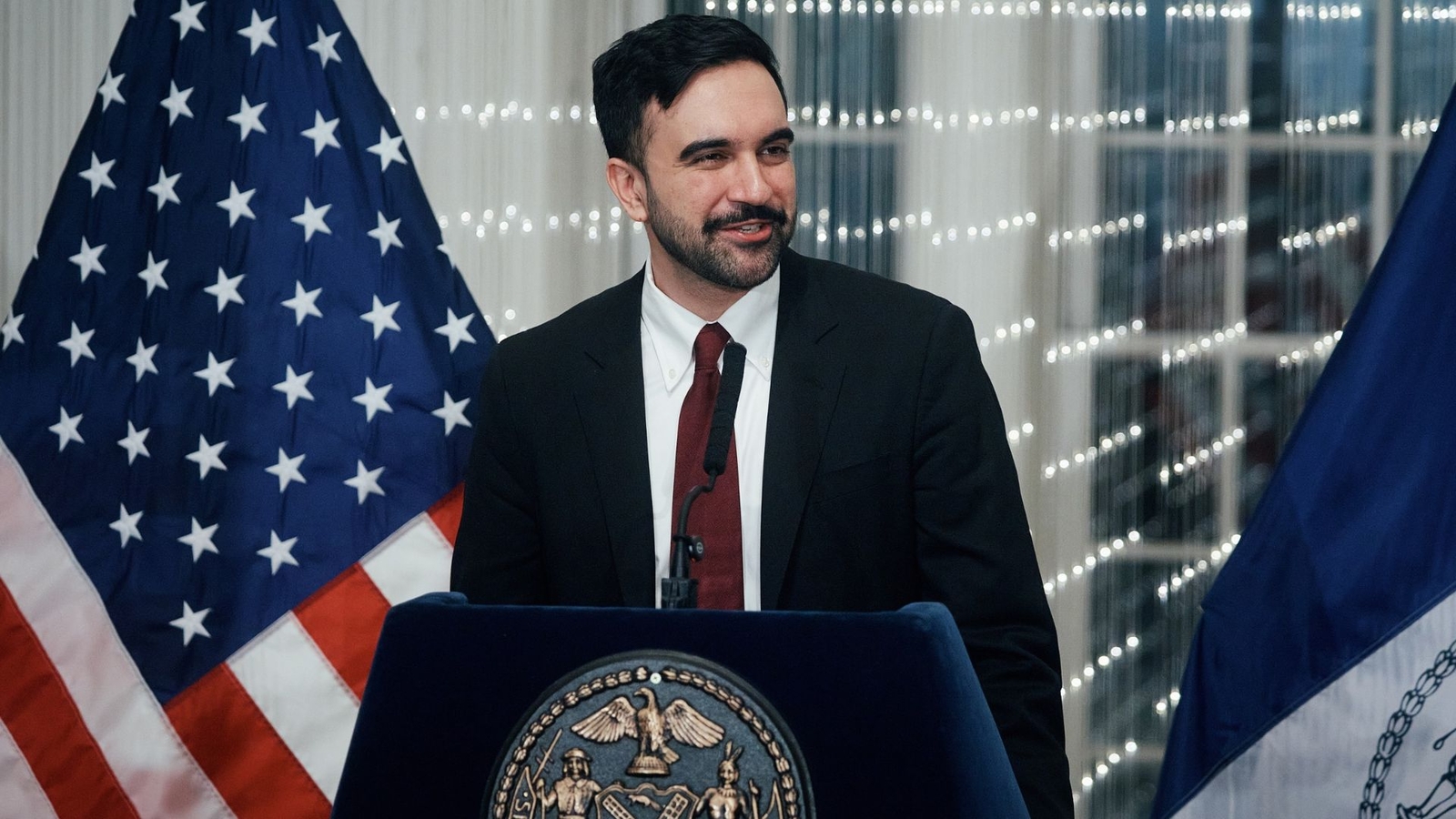
The Mamdani administration has officially introduced New York City’s inaugural “Strategy to Combat Antisemitism,” marking a significant shift in how the five boroughs approach the protection of its Jewish residents. Described as a comprehensive roadmap, the initiative seeks to blend increased security measures with deep-rooted educational programs and cultural investments. By treating the issue as a city-wide priority, the administration aims to foster an environment where Jewish New Yorkers can live openly and safely.
What happened
The newly unveiled strategy is built upon a “whole-of-government” framework, meaning various city agencies will coordinate their efforts to tackle hate crimes and bias. Financial commitments are a central component of the plan. The administration has earmarked $6.4 million specifically for the prevention of hate-motivated violence and the support of survivors. Furthermore, $4.5 million will be directed toward Jewish cultural landmarks, including the Holocaust Memorial, to ensure these institutions continue to educate the public.
To address immediate safety concerns, the plan allocates $1 million for the physical security of Hebrew schools and synagogues. Education is also a primary pillar; the administration announced that every eighth-grade student in the New York City public school system will participate in field trips to the Museum of Jewish Heritage. This move is designed to build foundational historical knowledge and empathy among the city’s youth.
Context
This policy rollout occurs during a period of heightened tension and rising reports of bias-motivated incidents. Data from the city suggests that Jewish residents continue to experience a disproportionate number of reported hate crimes compared to other groups. Mayor Zohran Mamdani has faced the difficult task of balancing his administration’s commitment to the local Jewish community with his outspoken criticisms regarding the Israeli government’s military actions.
The plan has not arrived without its share of criticism. Some advocacy groups and local leaders have expressed concern over the administration’s decision not to include a formal, specific definition of antisemitism within the document. Scott Richman of the Anti-Defamation League (ADL) argued that the lack of a clear definition—particularly one that addresses how anti-Zionism can manifest as antisemitism—weakens the report’s effectiveness. Similarly, Council Member Eric Dinowitz suggested that the plan fails to address the full scope of the modern Jewish experience in New York if it ignores the political dimensions of contemporary bias.
Why it matters
Despite the debates regarding its terminology, many Jewish organizations have welcomed the strategy as a necessary and historic step forward. It represents the first time the municipal government has codified a specific, multifaceted plan to address the unique challenges faced by the Jewish community. By investing in both the “hard” infrastructure of security and the “soft” infrastructure of education and culture, the city is signaling a long-term commitment to pluralism.
Mayor Mamdani emphasized that while the initiative is focused on one community, the resulting improvements in safety and civic education will benefit the city as a whole. As New York City continues to navigate complex social and political divisions, this strategy serves as a test case for how a major metropolis can proactively defend its diverse populations against targeted hatred while preserving their cultural heritage.