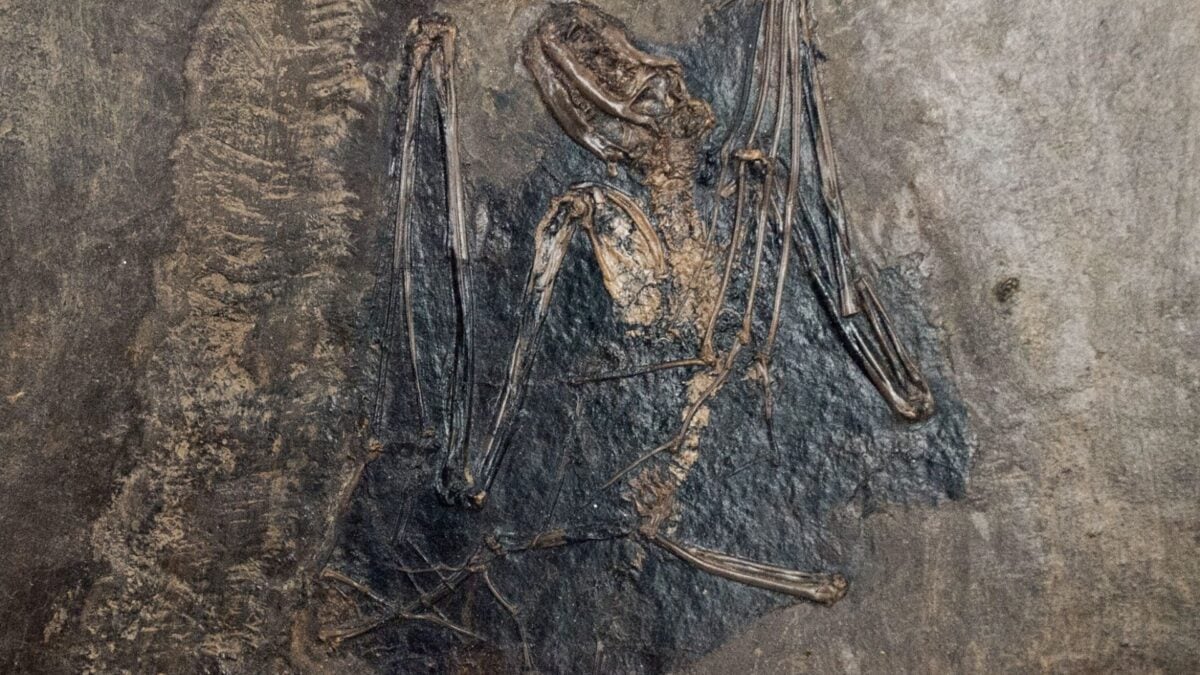
For decades, the evolutionary history of bats—the planet’s only mammals capable of sustained, powered flight—remained a complex puzzle. While they represent nearly twenty percent of all mammal species, their fossil record is sparse, and their geographical beginnings have been the subject of intense debate among biologists. However, a massive international study published in the journal Nature has finally pinpointed their likely origin: Europe, shortly after the era of the dinosaurs ended.
What happened
The discovery is the result of a monumental effort by the Bat1k project, a global initiative aimed at sequencing the genomes of every living bat species. In this latest phase, an international coalition of 134 researchers from 64 countries analyzed the genomes of 103 different species, representing all 21 known bat families. By combining this genetic data with the analysis of 44 ancient fossils, the team was able to reconstruct 26 ancestral bat chromosomes.
The results indicate that the first bats emerged approximately 65 million years ago in Europe. This timeline is particularly significant as it suggests that bats appeared almost immediately after the massive asteroid impact 66 million years ago that wiped out the non-avian dinosaurs. This period of rapid ecological change likely provided the vacuum necessary for these unique mammals to evolve and diversify.
Context
Before this study, the geographical roots of bats were a matter of significant contention. Previous research had variously suggested that bats first appeared in North America, Africa, or Asia. However, these earlier conclusions were often limited by smaller datasets or a lack of integrated fossil evidence. This new research, led by figures such as conservation biologist Liliana Davalos of Stony Brook University, represents the largest combined genomic and fossil study of bats ever conducted.
The study also clarified the development of signature bat traits. It appears that the earliest lineage of bats, categorized as Eochiroptera, did not just possess the ability for powered flight; they also likely utilized echolocation from a very early stage. This suggests that the primary tools bats use to navigate the world today were baked into their biology from the very beginning of their evolutionary journey.
Why it matters
Pinpointing the origin of bats is more than an exercise in historical curiosity; it provides a framework for understanding some of the most unique biological traits in the animal kingdom. Bats are famously resilient, possessing immune systems that can suppress extreme inflammation and allow them to live for decades—far longer than other mammals of their size. They also harbor viruses that would be lethal to other species without falling ill themselves.
Beyond the laboratory, this research has urgent implications for conservation. Roughly 80% of bat species are currently either threatened with extinction or are so poorly understood that their population trends remain unknown. By mapping their genetic history, scientists hope to better understand how bats adapt to their environments, which could inform strategies to protect them.
The Bat1k project intends to continue its work until the genomes of all 1,500 species are mapped. Despite potential challenges in research funding, the team remains committed to uncovering how bats maintain their health while consuming specialized diets ranging from nectar to blood. Understanding these evolutionary secrets could one day lead to breakthroughs in human medicine, particularly regarding aging and viral responses.