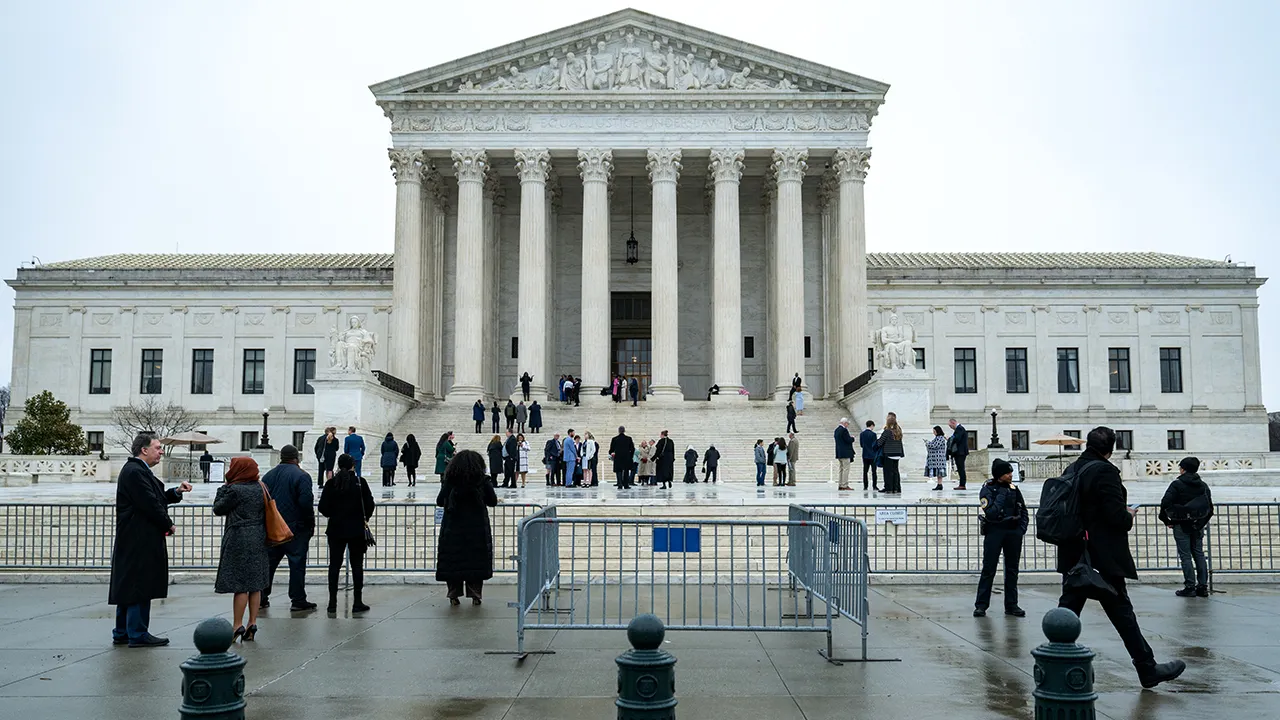
High-ranking Republican officials are intensifying their messaging as the battle for the Senate heats up, placing the future of the U.S. Supreme Court at the center of the political discourse. While traditional campaign themes often focus on immediate economic concerns, GOP strategists are now signaling that the long-term composition of the federal judiciary is one of the most critical consequences of the upcoming election. They argue that a shift in Senate control would not only stall current conservative momentum but could fundamentally alter the structure of the American legal system for a generation.
What happened
Republican leaders have begun a concerted effort to remind voters that the Senate acts as the final gatekeeper for judicial appointments. Senator Steve Daines, a prominent figure in the party’s campaign efforts, recently emphasized that the Supreme Court must be a primary motivator for the Republican base. He suggested that while pocketbook issues remain vital, the judicial branch represents a “silver buckshot” approach—one of several high-stakes reasons for voters to remain energized.
The concern among conservatives is twofold. First, there is the immediate fear that a Democrat-controlled Senate would blanketly refuse to confirm any nominees proposed by a Republican president. This would effectively create a stalemate for any vacancies that occur during a future term. Second, figures such as Representative James Comer have raised alarms about more radical structural changes. These include the potential expansion of the Supreme Court, often referred to as “court-packing,” and the granting of statehood to Washington, D.C., which would likely alter the legislative balance in the Senate indefinitely.
Context
The urgency of this message is underscored by the current demographics of the Supreme Court. Several of the court’s most influential conservative voices are reaching an age where retirement becomes a distinct possibility. Justice Clarence Thomas is currently 78, and Justice Samuel Alito is 76. On the other side of the ideological spectrum, Justice Sonia Sotomayor is 72, while Chief Justice John Roberts is 71.
Because these positions are lifetime appointments, the timing of a single vacancy can shift the ideological leaning of the court for decades. Republicans are acutely aware that the window to solidify or maintain a conservative majority depends entirely on having a Senate that is willing to move nominees through the confirmation process. The NRSC has recently doubled down on this rhetoric, suggesting that a Democratic majority would seek to replace the current bench with a body more aligned with a progressive legislative agenda.
Why it matters
The Senate’s role in the “advice and consent” process is the primary mechanism through which the executive branch influences the judiciary. If the Senate and the White House are held by opposing parties, the path to confirming a Supreme Court justice becomes historically difficult, as seen in previous election cycles. For the GOP, maintaining the Senate is seen as a defensive shield against a total overhaul of the judiciary.
Beyond the personnel on the bench, the debate touches on the fundamental stability of American institutions. If the court is expanded or if new states are added to the union, the procedural norms that have governed the country for over a century could be upended. For voters, the Republican message is clear: the Senate race is not just about the next two years of policy, but about who will interpret the Constitution for the next forty years. By framing the election as a battle for the Supreme Court, the GOP hopes to bridge the gap between temporary policy disagreements and permanent judicial transformation.