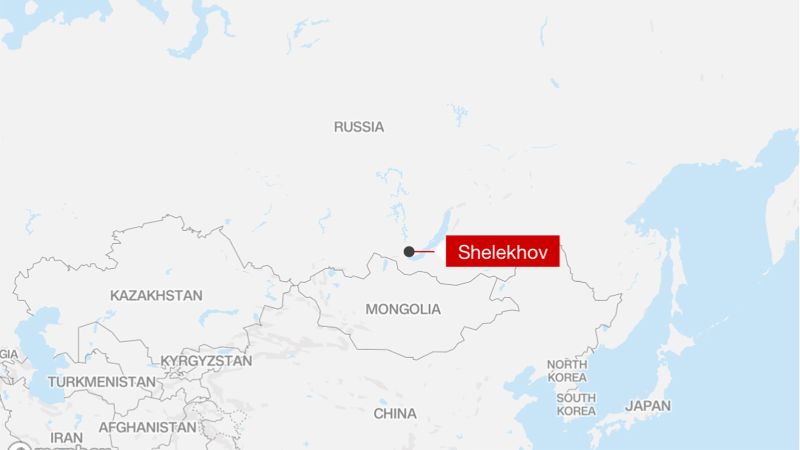
A fatal incident at a high-security research facility in Siberia has triggered a significant response from Russian health authorities following the death of a young scientist. The researcher, who worked at a specialized institute dedicated to studying some of the world’s most dangerous pathogens, reportedly succumbed to a respiratory illness after a suspected breach in laboratory protocols. While official reports remain cautious about the specific nature of the pathogen involved, the event has prompted widespread monitoring and local precautionary measures.
What happened
The incident took place at the Anti-Plague Research Institute located in Shelekhov, a town in the Irkutsk region of Siberia. According to state media and health officials, a 28-year-old female laboratory technician died after contracting what was officially described as “pneumonia of unknown etiology.” The death followed a suspected accidental release of an infectious agent within the facility.
In the wake of the tragedy, local authorities have moved to contain any potential spread. In the neighboring Republic of Buryatia, leader Alexei Tsydenov suggested the fatality might be linked to the plague, though he emphasized that no outbreaks have been detected in his jurisdiction. Meanwhile, in Shelekhov, an aluminum plant situated near the laboratory instructed its workforce to wear protective masks.
While the official stance from Rospotrebnadzor, Russia’s federal health watchdog, is that the regional epidemiological situation remains stable, independent reports paint a more urgent picture. Unofficial sources indicate that nearly 200 individuals who may have had contact with the deceased have been placed under medical observation. Furthermore, reports have surfaced regarding quarantine measures being implemented at a local maternity hospital as a safeguard.
Context
The Irkutsk Anti-Plague Research Institute is part of a network of Russian facilities designed to monitor and combat “especially dangerous infections.” These institutes are tasked with studying pathogens like Yersinia pestis (the cause of the plague), anthrax, and various hemorrhagic fevers. Because these laboratories handle high-consequence pathogens, any accidental exposure is treated as a major public health risk.
Regional leaders, including Irkutsk Governor Igor Kobzev, have called for public calm, noting that extraordinary meetings with the nation’s chief state doctor have been held to manage the “suspected case of a particularly dangerous infection.” Despite the alarm, former health officials have suggested that the risk of a mass outbreak is low. Gennady Onishchenko, a prominent epidemiologist and former head of Rospotrebnadzor, noted that the arrival of winter in Siberia serves as a natural barrier to the transmission of many infectious diseases.
Why it matters
This incident highlights the inherent risks associated with high-containment biological research. Laboratory-acquired infections (LAIs) are a constant concern for the global scientific community, as a single breach can lead to localized fatalities or, in worst-case scenarios, broader community transmission. The lack of an immediate, specific diagnosis for the researcher’s illness—coupled with conflicting reports from different levels of government—underscores the challenges of transparency during biological emergencies.
Furthermore, the response in Shelekhov demonstrates the social and economic disruption such incidents can cause. The implementation of masking at nearby industrial sites and the isolation of hundreds of people reflect a high level of caution that suggests the potential severity of the pathogen involved. As investigators work to identify the exact cause of the researcher’s death, the focus remains on ensuring that containment protocols are sufficient to prevent a localized accident from escalating into a public health crisis. For now, the international community and local residents alike await a definitive explanation of what transpired behind the doors of the Shelekhov laboratory.