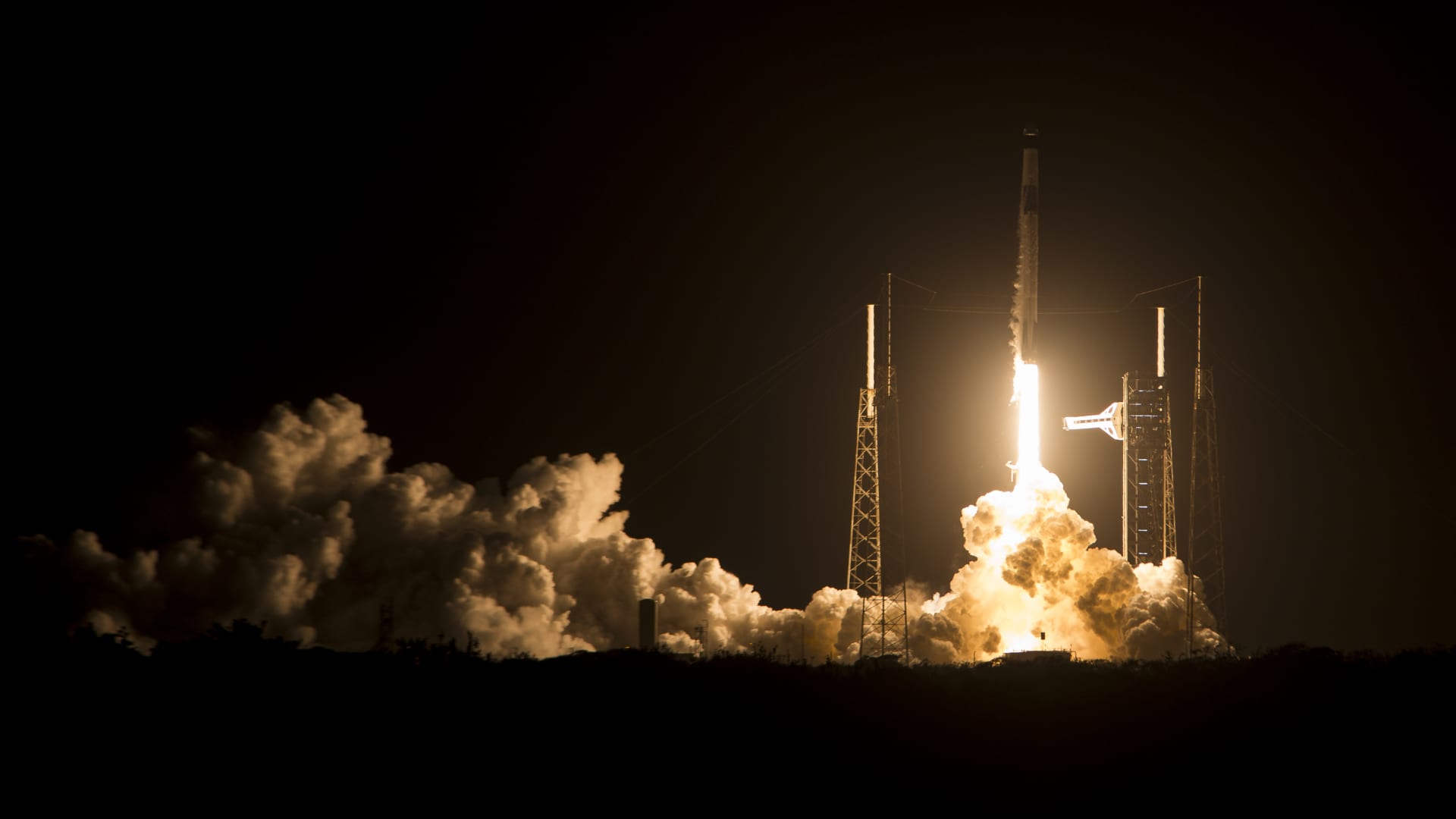
NASA has solidified its reliance on SpaceX for orbital transportation, awarding the aerospace giant a significant contract extension for continued missions to the International Space Station (ISS). This latest agreement adds three additional crewed flights to the existing partnership, ensuring that the Crew Dragon spacecraft remains a primary vehicle for American astronauts through 2030. The extension is valued at approximately $946 million, further cementing SpaceX’s dominant position in the commercial space sector.
What happened
The award is an expansion of the Commercial Crew Transportation Capability (CCtCap) contract, a long-standing initiative designed to foster private-sector solutions for low-Earth orbit logistics. With these three additional flights, SpaceX’s total commitment under the program rises to 17 operational missions. Upon the successful completion of these assignments, the total value earned by SpaceX through this specific NASA contract will reach roughly $5.92 billion.
Under the terms of the agreement, SpaceX is responsible for more than just the launch itself. The company provides a comprehensive end-to-end service package that includes ground operations, launch services, in-orbit management, and the crucial return and recovery of the crew. Furthermore, each mission carries essential cargo to the ISS. A vital safety component of the contract is the “lifeboat” capability, which requires the Dragon capsule to remain docked at the station to serve as an emergency evacuation vehicle should the crew need to depart the station unexpectedly.
Context
This announcement comes at a pivotal time for both NASA and SpaceX. NASA’s strategy for maintaining the ISS involves a dual-provider model to ensure redundant access to space. While SpaceX has been the workhorse of the program, Boeing is also a designated partner. However, Boeing’s Starliner program has faced several delays. Starliner is currently scheduled for an uncrewed test flight in the coming months, with its first crewed missions not expected until the third quarter of 2027. SpaceX’s extension helps bridge the gap and ensures the station remains fully staffed regardless of other program timelines.
On the corporate side, SpaceX continues to evolve. Following a record-breaking initial public offering in June, the company remains heavily integrated with government operations. While the company maintains various commercial ventures, its core business continues to be bolstered by significant contracts from NASA and the Department of Defense. Interestingly, the Dragon program—which only began its human flight history six years ago—is reportedly entering its final chapters. SpaceX is increasingly shifting its internal focus toward Starship, the massive next-generation rocket currently in development, which is intended to eventually replace Dragon for both orbital and deep-space missions.
Why it matters
The extension of the CCtCap contract is a testament to the reliability SpaceX has demonstrated over the last several years. By securing these flights through 2030, NASA is ensuring a stable environment for scientific research aboard the ISS during the station’s final decade of planned operation. The deal also highlights the efficiency of the public-private partnership model, which has allowed NASA to pivot away from owning and operating its own launch vehicles for routine taxi services, instead focusing its resources on deep-space exploration and the Artemis moon missions.
For SpaceX, the $950 million award provides a steady stream of revenue that supports its more ambitious goals. As the company winds down the Dragon program to make way for Starship, these final missions serve as both a financial bridge and a proof of concept for the high-frequency launch cadence the company hopes to achieve with its newer hardware. Moreover, the contract underscores the current reality of the aerospace industry: while competition is encouraged, SpaceX remains the only commercial entity currently capable of consistently delivering humans to orbit and bringing them home safely. As the 2030 retirement of the ISS approaches, the success of these final 17 missions will be critical in defining the legacy of this era of commercial spaceflight.