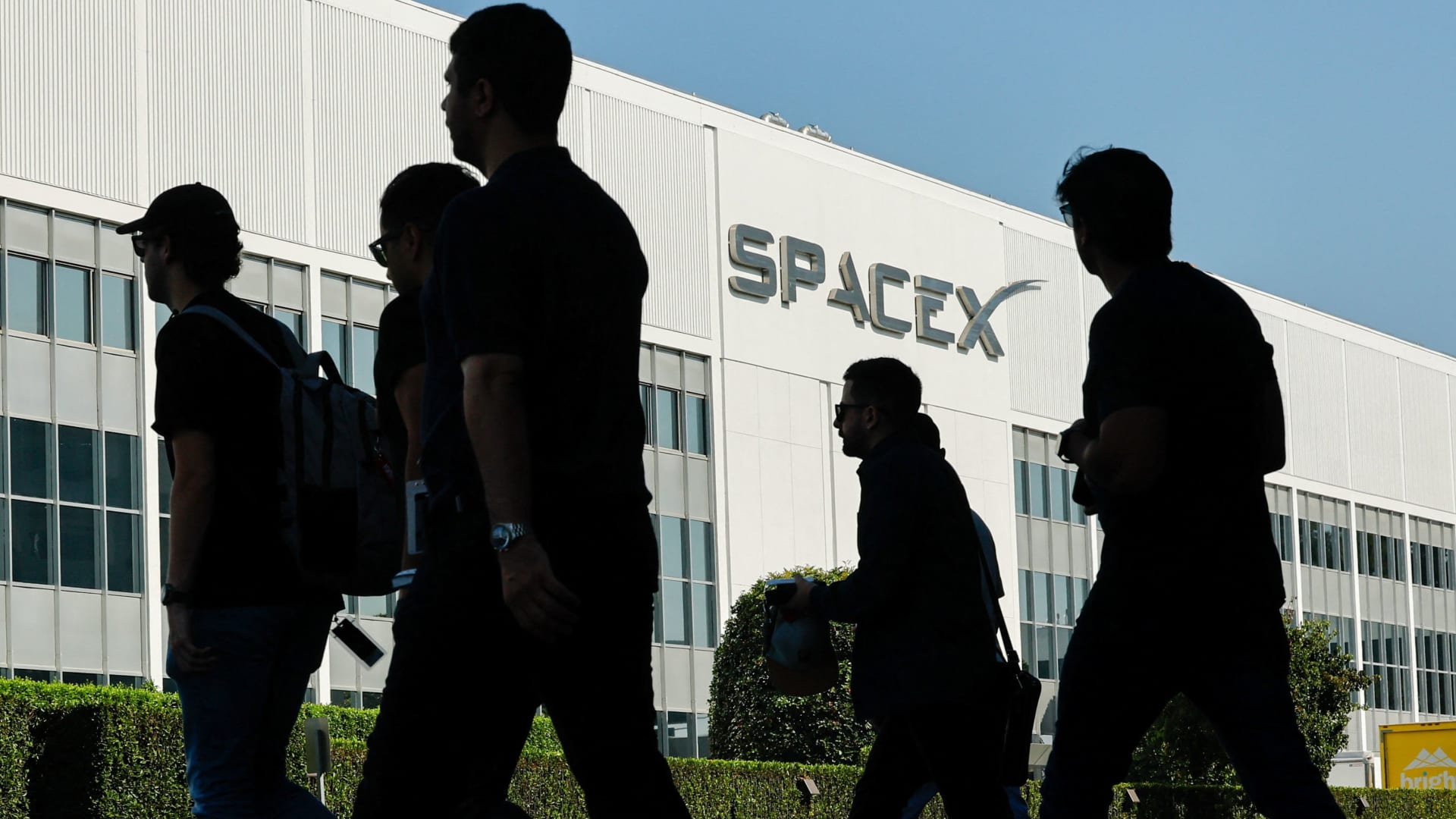
SpaceX’s debut era as a public entity faced a turbulent milestone this week. Despite reporting quarterly financial figures that largely exceeded analyst estimates, the aerospace giant saw its valuation contract sharply. The primary driver of this volatility was a massive spike in capital expenditures directed toward artificial intelligence, a move that appears to have unsettled a market increasingly wary of the high costs associated with the AI arms race.
What happened
On Wednesday, SpaceX shares plummeted 13.6%, closing at approximately $125. This price point is notably lower than the company’s initial public offering price of $135 and represents a steep decline from its record high of over $200 reached shortly after its June 12 trading debut.
The sell-off followed the release of the firm’s first earnings report as a public company. The data revealed that capital spending had surged sixfold, reaching $18.4 billion in the second quarter alone. Most of this capital was allocated to building out artificial intelligence infrastructure. While the company succeeded in narrowing its overall losses, the sheer scale of the investment spooked shareholders.
In an attempt to maintain a bullish narrative, CEO Elon Musk moved up the company’s long-term financial targets. He projected that SpaceX would reach an annual revenue of $1 trillion by 2030, a one-year acceleration from his previous forecast of 2031. However, this ambitious outlook was not enough to offset the immediate concerns regarding the company’s massive cash outflow.
Context
The anxiety surrounding SpaceX is part of a broader trend affecting the technology sector this earnings season. Investors are becoming increasingly skeptical of “big tech” firms that are pouring billions into AI without providing a clear, immediate timeline for profitability. While SpaceX is primarily known for its rockets and Starlink satellite internet, it is now positioning itself as a major player in the cloud computing space.
To compete with established AI leaders like OpenAI, SpaceX is leveraging its hardware. The company is currently renting out computing power generated by its vast arrays of Nvidia chips, effectively acting as a specialized cloud provider. SpaceX CFO Bret Johnsen defended the heavy spending during an earnings call, describing the investments as “efficient” and claiming that the company expects a “payback” period of less than one year on its AI compute expenditures.
Further complicating the stock’s performance is a technical market event. On Thursday, the company faces the expiration of insider lockup agreements. This milestone allows early investors and employees to sell their shares for the first time, potentially increasing the supply of stock on the market and putting further downward pressure on the price.
Why it matters
The recent price action at SpaceX highlights a critical tension between visionary long-term growth and short-term fiscal discipline. For years, Musk’s ventures have been granted significant leeway by investors who believed in his ability to disrupt entire industries. However, as a public company, SpaceX is now subject to the rigorous scrutiny of quarterly reporting and the demand for sustainable margins.
The company’s shift toward AI infrastructure indicates that it no longer views itself solely as a transportation or telecommunications firm. By entering the cloud and compute market, SpaceX is taking on massive overhead costs that compete with its core mission of space exploration.
The central question for investors remains whether SpaceX can scale its revenue fast enough to justify its current spending. While a $1 trillion revenue target sounds impressive, the path to that figure is paved with multibillion-dollar investments that have yet to prove their long-term ROI. As the market waits to see how insiders react to the lockup expiration, SpaceX finds itself at a crossroads, needing to prove that its AI-driven future is as solid as its history of successful rocket launches.