A significant breakthrough in the investigation of a catastrophic 2023 wildfire has brought new scrutiny to the actions of local law enforcement and the challenges of fire prevention. Aaron Farinacci, the individual currently suspected of sparking the devastating Old Trails fire near Spokane, was reportedly questioned by police regarding two earlier fires just months before the major disaster occurred. Despite being on the radar of investigators, he remained free throughout the remainder of a record-breaking fire season.
What happened
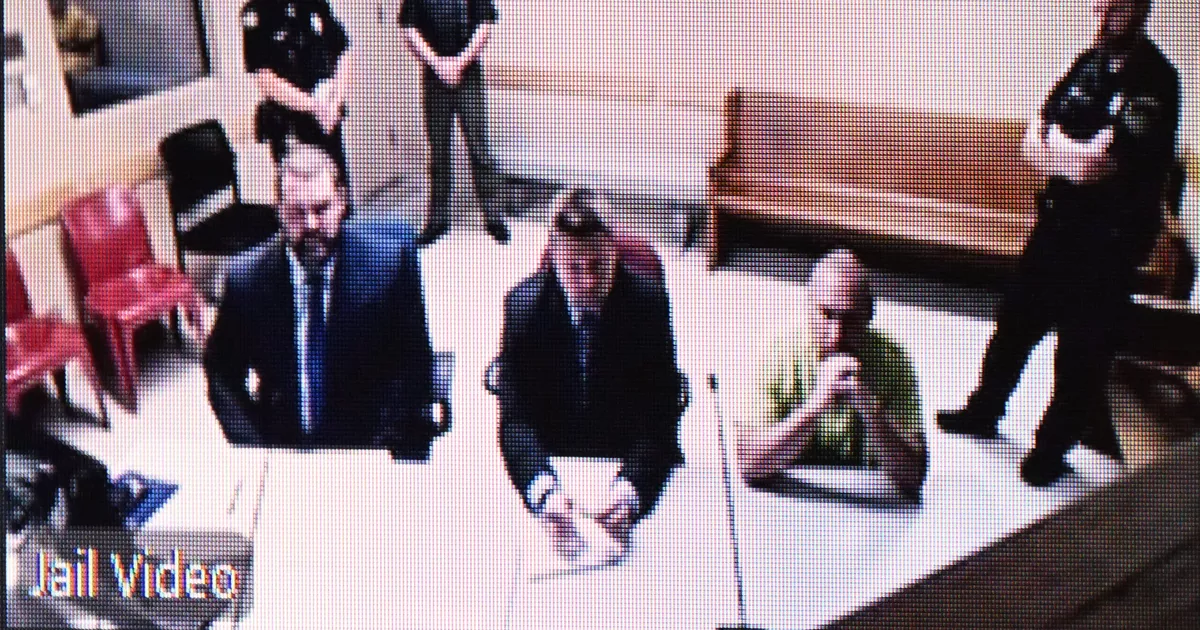
Law enforcement officials recently confirmed the arrest of Farinacci, who is accused of intentionally starting the blaze that decimated hundreds of structures and upended the lives of thousands. Court documents reveal a pattern of behavior that had previously caught the attention of detectives. During the summer of 2023, while smaller fires were being investigated in the region, Farinacci was identified as a person of interest.
However, at that stage, investigators determined there was insufficient evidence to move forward with a formal arrest or detention. This delay meant Farinacci remained in the community during the peak of a volatile fire season. Shortly thereafter, the Old Trails fire ignited, eventually scorching thousands of acres and forcing nearly 60,000 residents to flee their homes under emergency evacuation orders. Detectives now believe they have the evidence necessary to link Farinacci directly to the origin of the August inferno.
Context
The Old Trails fire represents one of the most destructive incidents in Spokane’s recent history. Igniting in mid-August during a period of extreme heat and high winds, the fire moved with terrifying speed, overwhelming local resources. It was part of a dual-threat weekend where multiple fires converged across Eastern Washington, stretching emergency services to their absolute breaking point.
Following the containment of the blaze, investigators spent months piecing together digital evidence, witness statements, and forensic data to build a case. The revelation that Farinacci had been stopped and questioned for separate incidents prior to the August catastrophe has sparked a community-wide debate regarding the difficulty of proactive arson prevention. In those earlier instances, officers had noted his presence near fire starts, but without direct eyewitnesses or clear physical links at that specific time, he was released in accordance with standard legal procedures.
Why it matters
This case serves as a stark reminder of the high stakes involved in arson investigations and the potential consequences of “near misses” in law enforcement. For the Spokane community, the news that the suspect was already known to authorities adds a layer of complexity to the recovery process. It underscores the immense difficulty of proving arson, a crime that often lacks physical evidence and relies heavily on circumstantial placement.
Furthermore, the prosecution of Farinacci will be a landmark case for the region, potentially setting a precedent for how large-scale wildfire arson is handled in Washington state courts. As the legal system moves forward, the focus remains on achieving justice for the hundreds of families who lost their livelihoods and homes. This development also prompts a necessary discussion on how future tragedies of this magnitude might be averted through more aggressive monitoring of suspicious activity during high-risk weather patterns and whether legislative changes are needed to empower investigators earlier in the process.