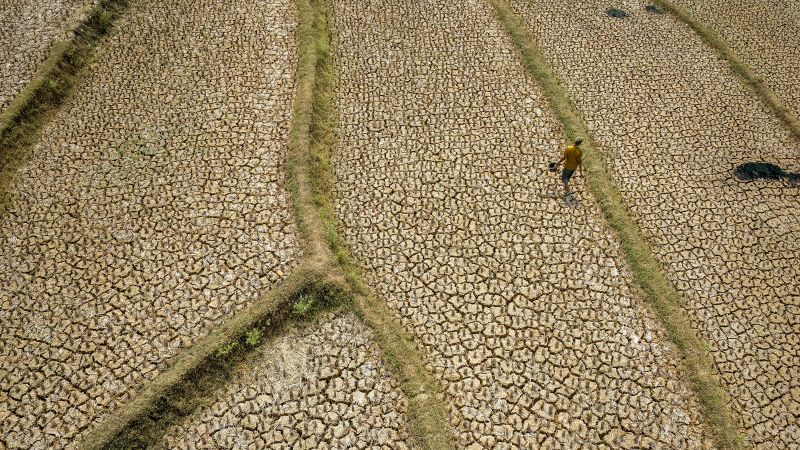
A staggering public health crisis is looming as the world grapples with a “super-sized” El Niño event. According to a new analysis from the Climate Impact Lab, nearly half a million people could lose their lives due to extreme heat by February. This projected surge in mortality represents a devastating intersection of natural climate cycles and human-induced global warming, creating conditions that the planet is currently ill-equipped to handle.
What happened
The Climate Impact Lab—a collaborative team of economists, data engineers, and scientists from the University of Chicago and other institutions—released a report warning of a massive spike in heat-related fatalities. The study projects that between the arrival of this intensified weather pattern and February, approximately 451,000 additional deaths could occur globally. These figures are specifically attributed to the heat driven by the current El Niño and are in addition to the standard baseline of heat-related mortality.
Researchers indicate that this El Niño has transitioned into “super” territory, a classification for record-breaking strength. When this natural phenomenon is layered over the existing warming caused by fossil fuel pollution, the results are lethal. Land temperatures are projected to climb 1.2 degrees Celsius (2.1 degrees Fahrenheit) above typical levels in the coming months. This temperature spike is expected to trigger 44% more days of extreme heat than a standard year would produce.
Context
El Niño is a naturally occurring climate pattern characterized by the warming of surface waters in the central and eastern Pacific Ocean. While it typically increases global temperatures, the current cycle is occurring on a planet already significantly warmed by industrial emissions. The authors of the report describe this period as a “postcard from our future,” offering a grim preview of what standard global temperatures will look like in approximately 20 years if current warming trends continue.
The study utilized peer-reviewed methodology to analyze the relationship between mortality and temperature across more than 24,000 distinct regions worldwide. By comparing seasonal forecasts against historical data from 1996 to 2025, the researchers were able to quantify the expected human cost. While heat is known as the deadliest form of extreme weather, its impact is often underestimated because heat-related deaths are frequently underreported or poorly tracked, even in developed nations.
Why it matters
The human toll of this climate event is not distributed equally. The report highlights a stark geographic disparity, with the Global South expected to bear the brunt of the fatalities. Nigeria is projected to suffer the highest loss of life, with an estimated 31,400 deaths. Other nations facing extreme risk include Indonesia, India, Sudan, and Brazil. However, the crisis is global in scope; the United States also ranks within the top 20 most affected countries, with an estimated 3,500 projected deaths.
Beyond the immediate loss of life, these findings underscore the urgent need for climate adaptation. The speed at which this “super” El Niño has developed has outpaced the ability of many communities to implement protective measures. Michael Greenstone, a co-founder of the Climate Impact Lab and professor at the University of Chicago, emphasized that while the numbers are massive, they represent individual lives—parents, children, and neighbors.
Furthermore, the projected 450,000 deaths only account for extreme heat. This figure does not include the potential fatalities resulting from other El Niño-exacerbated disasters, such as intensifying wildfires, catastrophic flooding, or prolonged droughts. As the weather pattern is expected to persist through the Northern Hemisphere’s spring, the secondary impacts on crops and food security may lead to even further long-term consequences for global stability and health.